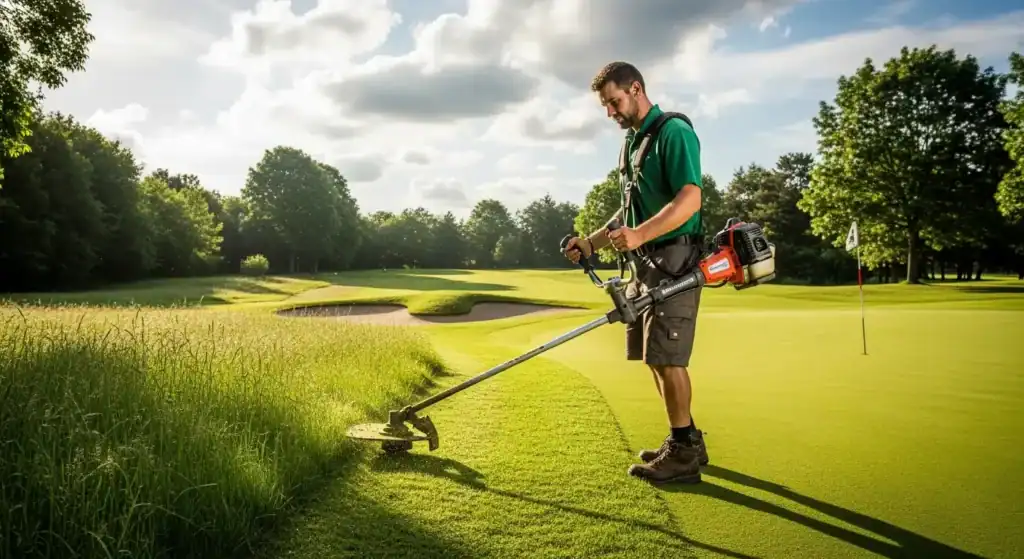

Professional turf management is a complex, high-stakes discipline that serves as the backbone of every successful golf course and sports facility. By mastering professional turf management, you can dictate everything from the facility’s aesthetic identity to the long-term sustainability of your labor and chemical budgets.
For the modern greenkeeper, professional turf management is far more than simple maintenance; it is an evolving, precise balancing act between agronomy, player expectations, and operational resource allocation. As environmental pressures increase and budgets tighten, the ability to make data-driven decisions through professional turf management has become a professional necessity.
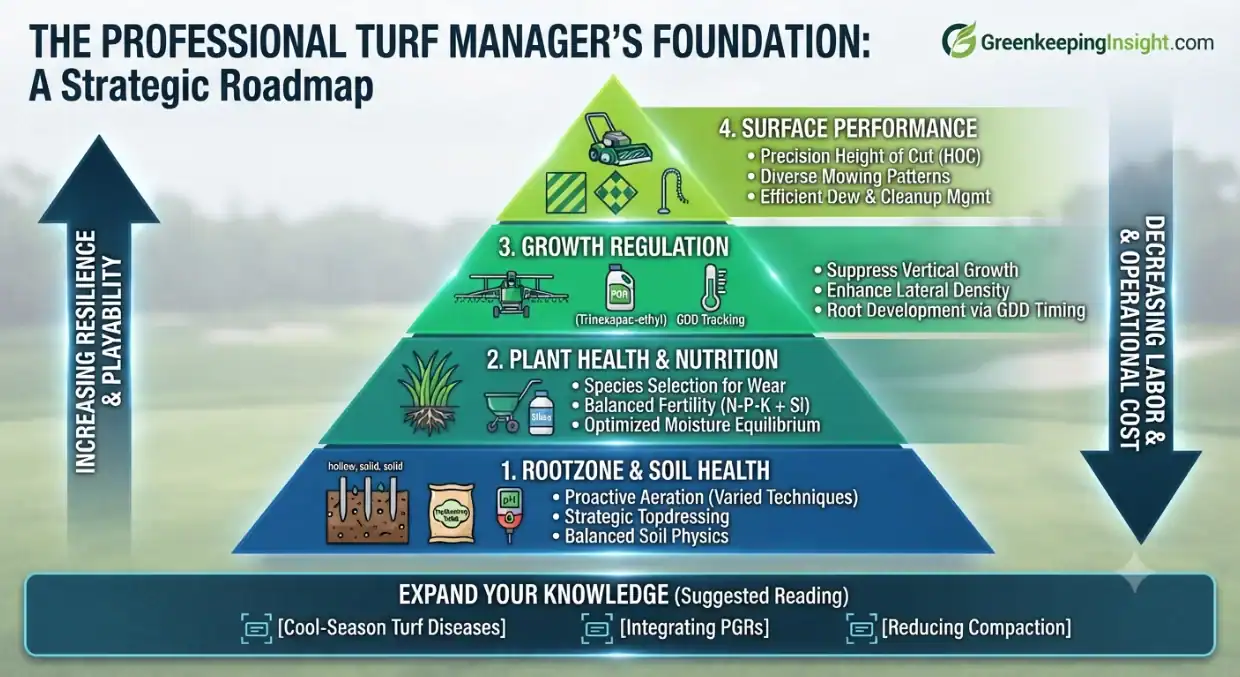
This guide breaks down the core elements of a professional turf management strategy, serving as the essential foundation for your overarching agronomic program.
1. Height of Cut (HOC) and Grass Species Selection
The target height of cut remains your most powerful tool for influencing turf performance. Striking the right balance is a key aspect of professional turf management, depending heavily on your climate, grass type, and the specific functional requirements of the area.
Cool-Season Dynamics: Varieties like Creeping Bentgrass or Poa Annua require careful management to mitigate environmental stress. Pushing these varieties too low during extreme heat can compromise root depth and leave the turf vulnerable to secondary pathogens.
Warm-Season Dynamics: Varieties like Bermudagrass often thrive under tighter cuts, providing the firm, resilient surface required for high-level play.
For specific insights on managing these challenges in the Nordic climate, refer to the Scandinavian Turfgrass Environment Research Foundation (STERF).
The 1/3 Rule: Never remove more than one-third of the leaf blade in a single event to avoid shocking the plant and opening the door for weed encroachment.
2. Growth Regulation and Resource Efficiency
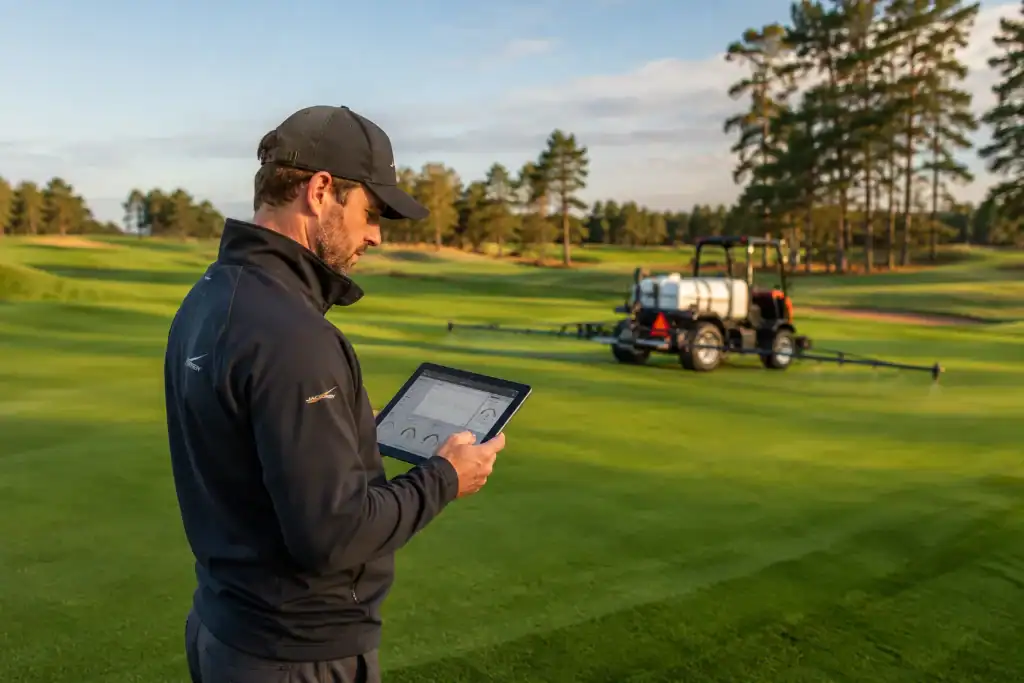
Manually maintaining large acreages demands unsustainable amounts of labor, fuel, and machinery wear. Modern professional turf management relies on precision tools like Plant Growth Regulators (PGRs) to manage the “energy economy” of the plant.
PGRs suppress vertical growth while redirecting the plant’s energy toward lateral density and root development, improving stress resilience and consistency across the entire course.
Expand your knowledge: Read our guide on The Advanced Guide to Integrating PGRs into Your Turf Program
3. Traffic Management and Soil Physics
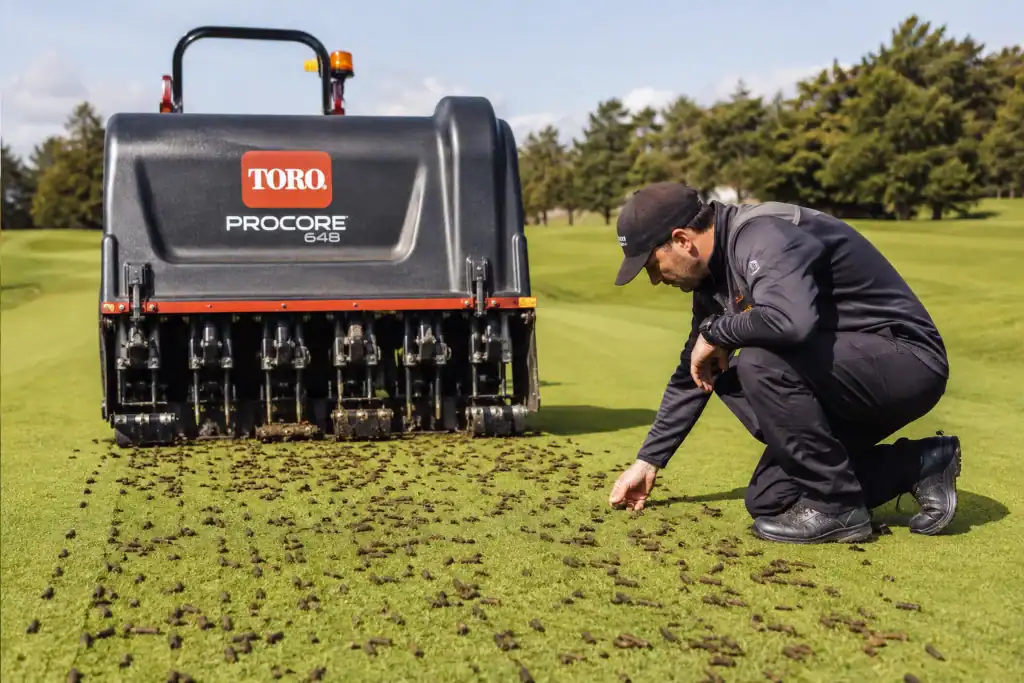
High-traffic zones bear the brunt of mechanical and human stress; when management is reactive, these areas succumb to soil compaction, which chokes off vital oxygen and water pathways to the roots.
To maintain superior surfaces, you must transition from reactive repairs to proactive cultural management, a cornerstone of professional turf management, including varied aeration techniques and strategic topdressing to build a resilient soil matrix.
Expand your knowledge: Read our guide on Managing the Heavy Footprint: How to Reduce Compaction and Turf Wear.
4. Mowing Patterns and Surface Quality
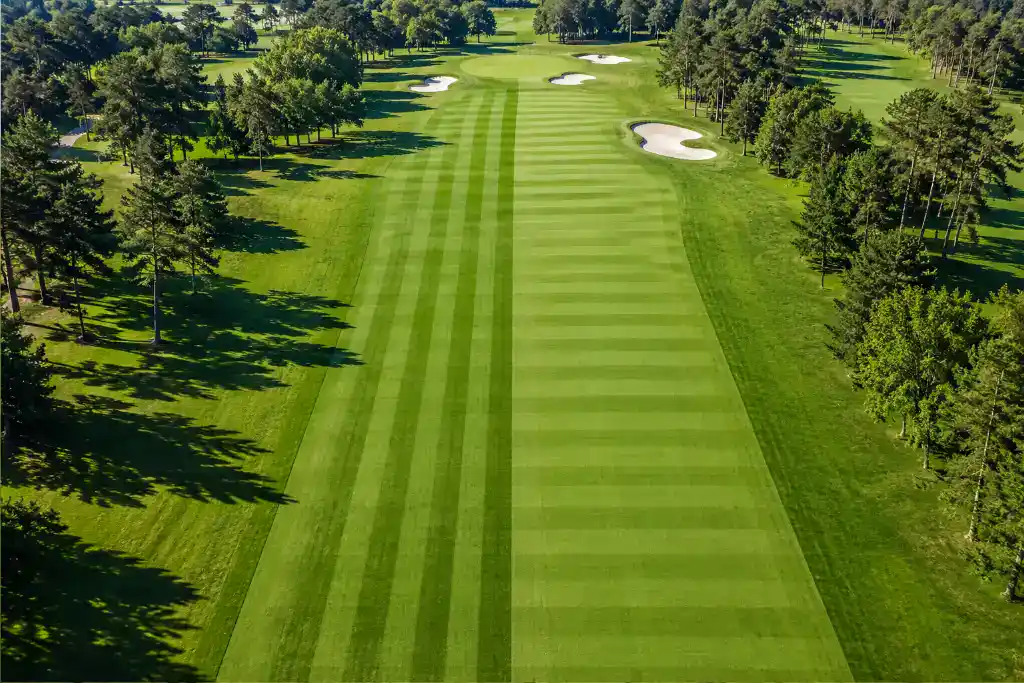
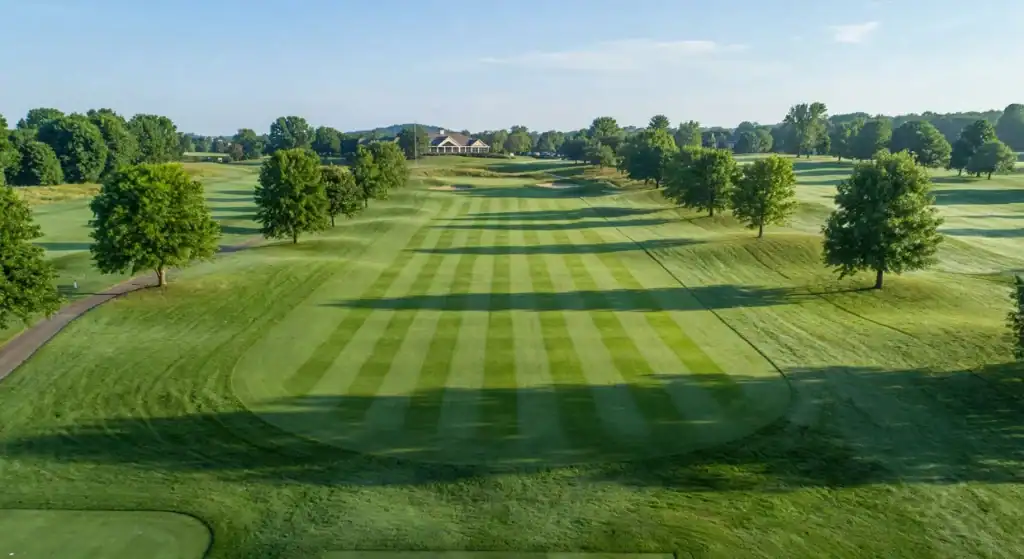
The patterns etched into your turf shape the golfer’s first impression, but they also serve an operational purpose, reflecting the quality of your professional turf management program.
Aesthetics vs. Efficiency: While diagonal or diamond patterns offer a premium, tournament-ready look, they often come with higher operational costs and increased turnaround times compared to simpler patterns like the “Half-and-Half”.
Mitigating Grain and Compaction: Consistently mowing in the same direction creates “grain” and severe soil compaction ruts; rotate your patterns to promote upright growth and uniform surface texture.
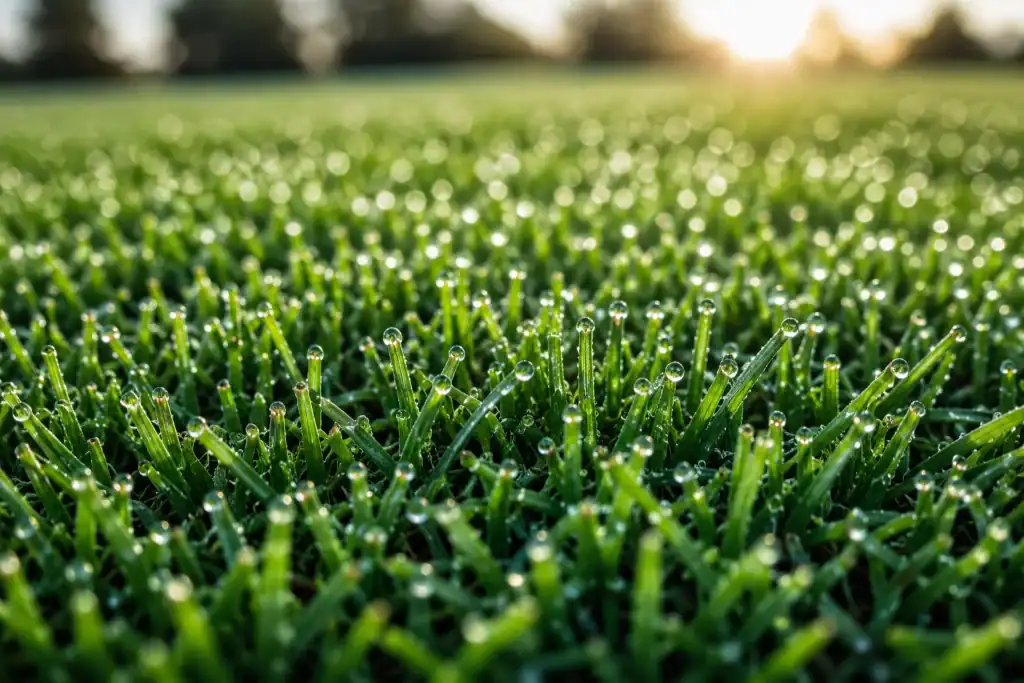
Dew Management: Whenever possible, clear morning dew before mowing to prevent ragged cuts and the spread of fungal pathogens.
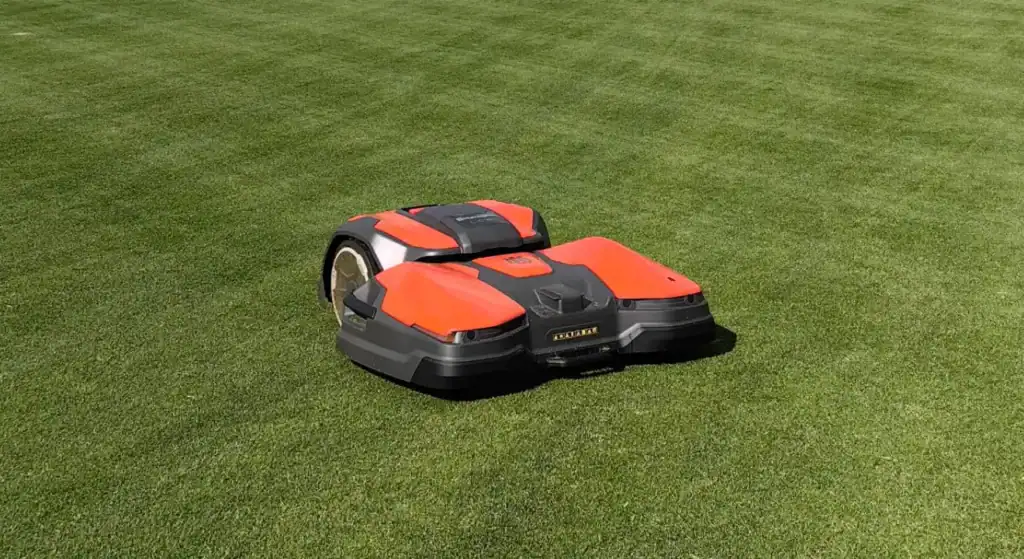
The visual design etched into a fairway shapes the first impression a golfer has of a hole.However, every pattern has an operational cost.
| Mowing Pattern | Aesthetic Impact | Operational Efficiency | Best For |
| Half-and-Half (Two-Tone) | High visual clarity; splits the fairway down the center line. | Excellent. Minimal turning, fast execution, reduced fuel burn. | Daily play, daily labor savings, reducing compaction. |
| Diagonal / Diamond | Traditional, high-contrast, premium tournament look. | Poor. Requires highly skilled operators, excessive turnaround times at the edges. | High-end resorts, member-guest tournaments. |
| Zamboni / Box Style | Clean, uniform look; grass is pushed in one direction (usually tee-to-green). | Good. Speeds up completion times when using multiple mowers in echelon formation. | Optimizing morning workflows before golfers arrive. |
Mitigating Grain and Compaction
Consistently mowing in the exact same direction causes turf blades to lean horizontally, creating “grain” that can negatively affect ball roll. To prevent this—and to stop severe soil compaction ruts—always vary your mowing direction. If you cut half-and-half after 2 weeks switch sides or change to a diagonal or cross-cut pattern.
Professional Turf Management: Frequently Asked Questions (FAQ)
How often should I change my mowing pattern?
To prevent grain development and soil compaction ruts, you should vary your direction with every mowing event.
Can I use PGRs on all grass types?
Yes, but rates must be calibrated to the species; for example, fine fescues are sensitive to trinexapac-ethyl and require lower rates to avoid discoloration.
What is the best way to manage dew?
Use a dew whipping pole, drag a hose, or utilize a pull-behind roller before the reels hit the turf to ensure a clean, crisp cut.
How do I know if I have a disease or pest damage?
Fungal diseases typically present in symmetrical patterns (circles/rings), while pest damage is often irregular and may cause the grass to pull up easily due to root-feeding insects.
Conclusion: Elevating Your Management Standards
Achieving tournament-ready turf is rarely the result of a single “silver bullet” treatment; rather, it is the cumulative effect of consistent, data-informed cultural practices. By keeping your equipment sharp, tracking your clipping yields, and remaining flexible enough to adjust your strategies as environmental conditions change, you position your facility for long-term success.
The transition from a reactive maintenance mindset to a proactive, precision-based program is the hallmark of the modern greenkeeper. By integrating disciplined PGR schedules, science-backed traffic management, and strategic disease prevention, you can effectively optimize your crew’s resources while delivering surfaces that perform at the highest level. Use this pillar content as your roadmap for continuous improvement, and remember that every small adjustment in your professional turf management program contributes to a healthier, more resilient turf ecosystem

Head greenkeeper in Gothenburg, Sweden, working in the turf industry since 2018. Passionate about sustainable maintenance and new technologies, he focuses on innovative ways to improve turf quality while reducing environmental impact.
The founder of this independent platform, created to connect turf professionals and enthusiasts, share knowledge, and highlight the evolving role of greenkeepers worldwide.
When not on the course, he enjoys exploring golf destinations, writing about turf management, and engaging with the international greenkeeping community. A big fan of Swedish football — especially the Allsvenskan — and an enthusiastic Football Manager player. Beyond turf and football, a happy father and husband.