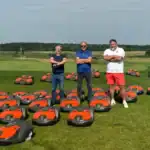
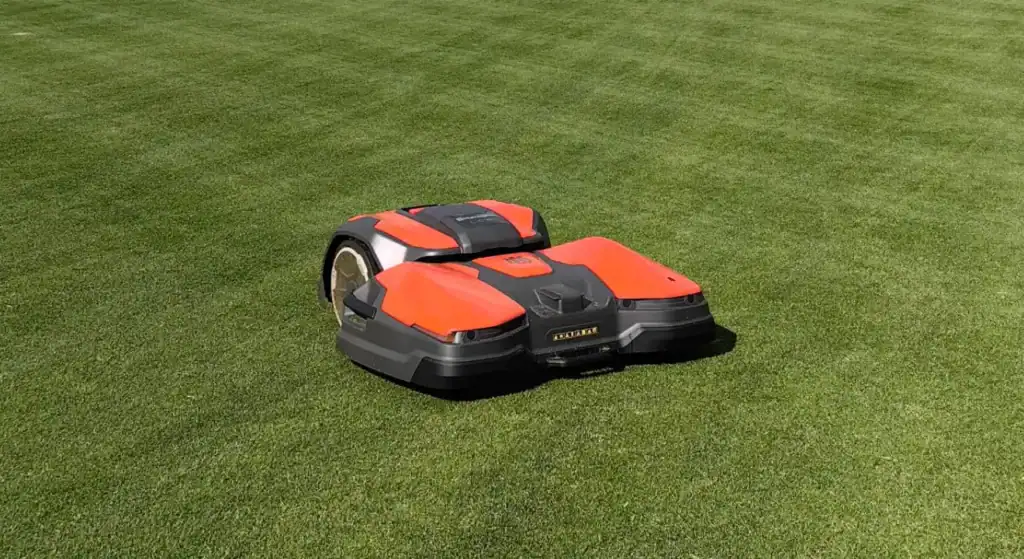

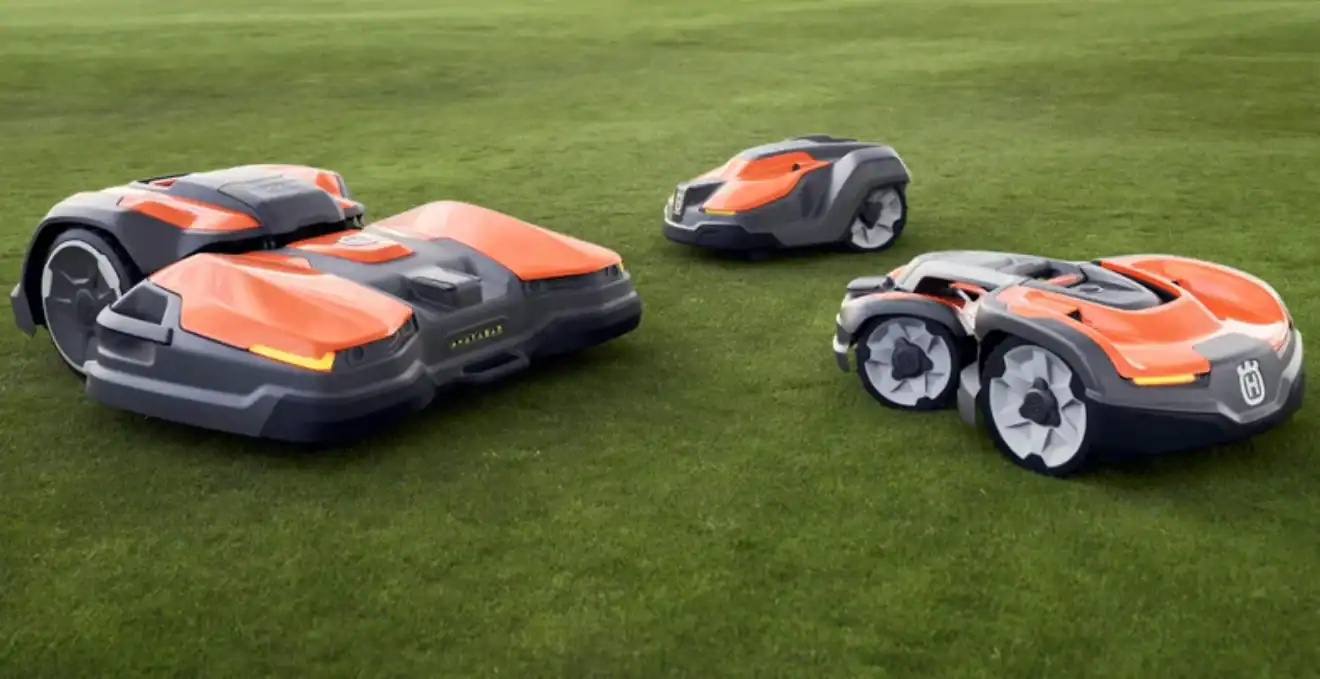
The robotic mowing revolution in golf course maintenance just took another major step forward. In April 2026, Husqvarna announced a new “First Cut” functionality for its autonomous golf course mowing systems, allowing clubs to maintain transition areas between fairway and rough using existing robotic mower fleets. The new “First Cut” technology is compatible with the company’s CEORA and Automower 580L EPOS models and arrives at a time when automation is becoming one of the biggest trends in modern greenkeeping.
At first glance, the announcement may sound like a small software update. Inside the turfgrass industry, however, it represents something much larger.
It signals that autonomous mowing technology is rapidly evolving from a niche support tool into a serious part of everyday golf course maintenance. More importantly, the new “First Cut” technology shows how robotic systems are becoming increasingly capable of handling presentation-focused tasks that traditionally required manual labor and additional machinery.
Why the New “First Cut” Technology Matters
Traditionally, maintaining first cut areas between fairway and rough required additional machinery, more labor hours, and extra scheduling pressure on already stretched greenkeeping teams.
Husqvarna’s new “First Cut” technology changes that dynamic.
Golf clubs can now create digitally defined first cut zones directly within existing autonomous mowing programs, allowing robotic units to handle more complex presentation work without extra hardware investment. The new “First Cut” technology essentially expands the role of robotic mowers from simple rough maintenance into more refined course presentation management.
That is important because presentation standards at modern golf facilities continue to rise.
Golfers increasingly expect visually sharp transitions, consistent playing conditions, and tournament-style presentation — even at everyday member clubs. At the same time, greenkeeping departments face growing pressure from labor shortages, rising operational costs, and tighter budgets.
The new “First Cut” technology arrives at a moment when golf clubs are actively searching for ways to maintain premium conditions with smaller maintenance teams and tighter operational budgets.
Autonomous mowing is becoming one solution to that challenge.
Labor Shortages Are Reshaping Greenkeeping
Across Europe and North America, golf facilities are struggling to recruit and retain maintenance staff.
The issue is no longer temporary.
Many golf course superintendents now openly discuss staffing as one of the biggest threats to maintaining course standards. Finding experienced machinery operators has become increasingly difficult, while younger workers are often less interested in repetitive maintenance work involving early mornings and physically demanding schedules.
This is exactly where the new “First Cut” technology could have a significant long-term impact.
Instead of spending hours cutting transition areas manually, greenkeepers can allow autonomous units to handle routine mowing patterns while staff focus on more technical responsibilities such as:
- Greens preparation
- Irrigation monitoring
- Disease management
- Bunker presentation
- Course setup
- Agronomic planning
The new “First Cut” technology may not eliminate staffing challenges, but it could reduce pressure on maintenance crews during peak growing periods when labor demands become especially intense.
This redistribution of labor may become one of the defining changes in greenkeeping during the next decade.
Golf Courses Are Becoming Technology Hubs
The new Husqvarna functionality also reflects a broader transformation happening across the turfgrass industry.
You may also like

Modern golf maintenance increasingly combines:
- Autonomous mowing
- GPS-guided machinery
- Soil moisture sensors
- Drone monitoring
- Fleet management software
- AI-assisted turf analysis
Husqvarna’s EPOS technology allows robotic mowers to operate within virtual boundaries rather than traditional wire systems. This creates much greater flexibility for golf courses, where layouts, temporary restrictions, or renovation projects often require rapid adjustments.
The new “First Cut” technology benefits directly from that flexibility. Greenkeepers can define and adjust first cut mowing zones digitally without physical installation work, making the system far more adaptable than traditional robotic mowing setups.
Fleet management platforms now allow greenkeepers to remotely monitor mower activity, schedules, and cutting areas directly from mobile devices.
The image of greenkeeping as purely manual work is rapidly disappearing.
Sustainability Is Accelerating Adoption
Environmental pressure is another reason autonomous mowing is expanding so quickly.
Electric robotic mowers reduce fuel use, emissions, and noise compared to traditional diesel-powered equipment. Quiet operation also allows mowing during hours that would normally disrupt golfers or nearby residents.
Many facilities are also pursuing sustainability certifications and environmental reporting programs. The new “First Cut” technology fits naturally into those strategies because it allows clubs to increase autonomous mowing coverage without adding more conventional machinery.
Frequent light mowing may also provide turfgrass benefits.
Rather than removing large volumes of grass infrequently, robotic systems clip smaller amounts continuously. This can create denser turf surfaces and reduce stress during peak growing periods.
The lighter weight of robotic units can also reduce soil compaction compared to larger ride-on machinery.
As sustainability targets become more important in golf operations, technologies like Husqvarna’s new “First Cut” technology are likely to become increasingly attractive.
Not Every Greenkeeper Is Convinced
Despite growing excitement, autonomous mowing remains controversial in some parts of the industry. Many experienced greenkeepers argue — correctly — that machines cannot replace observation. Traditionally, mowing crews often identify:
- Early disease outbreaks
- Irrigation leaks
- Dry spots
- Surface damage
- Pest activity
- Mechanical issues
A robotic mower does not recognize dollar spot pressure or understand subtle turf stress the way an experienced turf manager does. Even supporters of the new “First Cut” technology acknowledge that automation still depends heavily on human oversight and agronomic expertise. This debate is becoming increasingly common inside golf maintenance circles and online superintendent communities.
Most successful golf clubs are not replacing greenkeepers entirely.
Instead, they are using automation to remove repetitive work while allowing staff to focus on agronomic management and presentation quality.
The Economics Are Becoming Difficult to Ignore
Cost remains one of the main barriers to adoption.
Autonomous mowing systems require significant investment, especially for larger golf facilities operating multiple units.
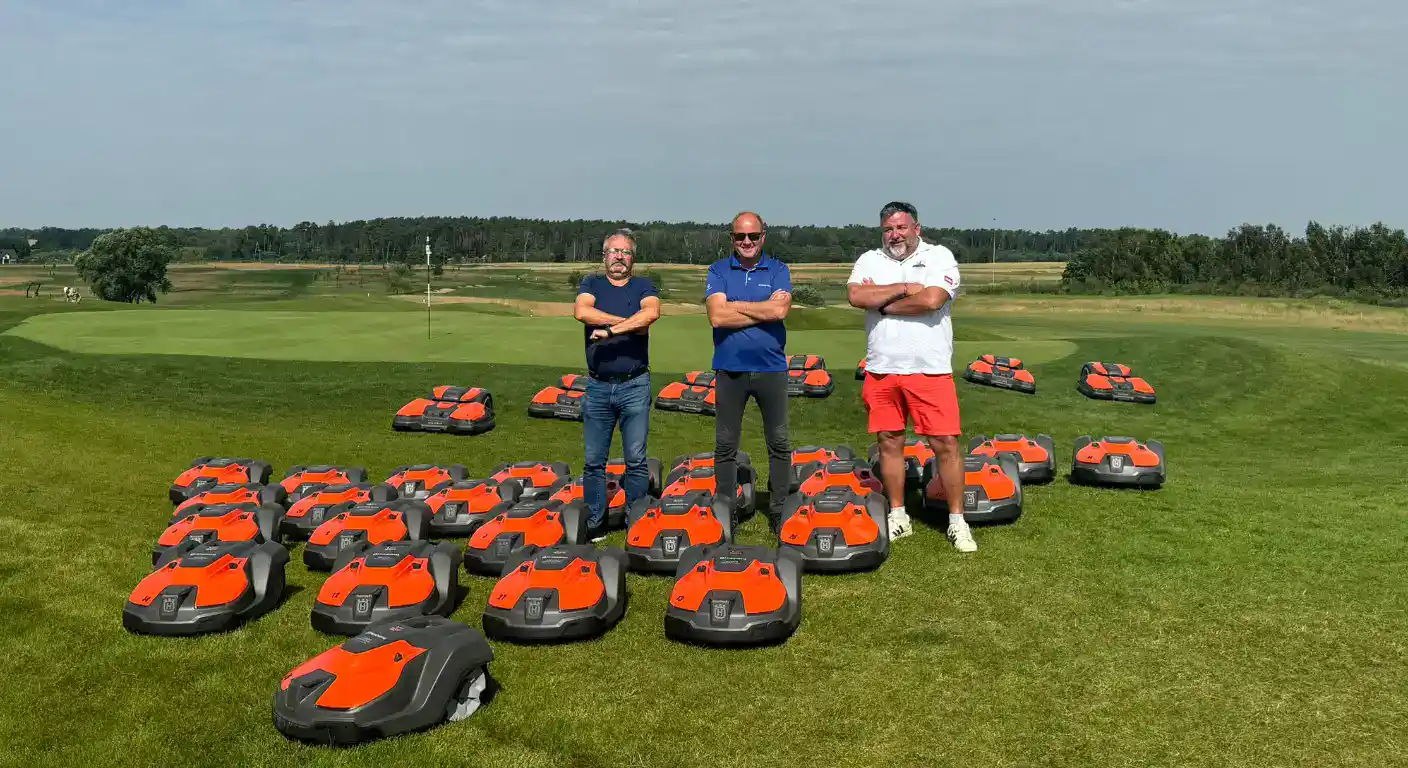
However, clubs are increasingly looking beyond initial purchase prices and focusing on long-term operational efficiency.
Facilities adopting robotic mowing often point to:
- Reduced fuel costs
- Lower overtime expenses
- Less dependence on seasonal labor
- More consistent mowing schedules
- Longer operational windows
- Lower emissions
The new “First Cut” technology strengthens that economic argument because clubs can expand mowing capabilities using existing robotic fleets rather than purchasing additional specialized equipment.
You may also like


As labor shortages continue across the industry, these advantages become increasingly attractive.
For some clubs, the question is no longer whether robotic mowing is perfect.
The question is whether traditional maintenance models remain sustainable.
What Comes Next?
The pace of development suggests that autonomous mowing technology will continue advancing rapidly.
Manufacturers are already developing:
- AI-assisted obstacle detection
- Night-time vision systems
- Smarter fleet coordination
- Integrated turf monitoring
- Automated maintenance scheduling
The introduction of the new “First Cut” technology may prove to be another important step toward fully integrated autonomous golf course maintenance systems. Some industry experts believe robotic mowing may eventually become standard at many golf facilities, especially for roughs, fairways, and practice areas.
Greens and highly sensitive playing surfaces still require significant human oversight, but even that may change over time. One thing already seems clear in 2026. Autonomous mowing is no longer a futuristic concept in greenkeeping. And with innovations like Husqvarna’s new “First Cut” technology, robotic systems are becoming an increasingly important part of everyday golf course maintenance operations.
FAQ – Husqvarna “First Cut” Technology
What is Husqvarna’s new “First Cut” technology?
The new “First Cut” technology from Husqvarna allows golf courses to create automated mowing zones between fairway and rough using existing autonomous mower fleets. The technology is designed to improve course presentation while reducing manual labor requirements.
Which Husqvarna robotic mowers support the new “First Cut” technology?
The new “First Cut” technology is compatible with Husqvarna CEORA and Automower 580L EPOS models. Golf facilities already operating these systems can integrate first cut mowing into their existing autonomous maintenance programs.
Why is the new “First Cut” technology important for golf course maintenance?
The new “First Cut” technology helps golf clubs maintain visually sharp transitions between fairway and rough without requiring additional machinery or labor hours. It also supports more efficient maintenance scheduling, especially during periods of labor shortages and peak turf growth.
Can autonomous mowing replace greenkeepers completely?
No. While the new “First Cut” technology and autonomous mowing systems can automate repetitive mowing tasks, experienced greenkeepers remain essential for agronomic decision-making, turf health monitoring, irrigation management, and overall course presentation. Most golf facilities use robotic mowing to support maintenance teams rather than replace them entirely.

Head greenkeeper in Gothenburg, Sweden, working in the turf industry since 2018. Passionate about sustainable maintenance and new technologies, he focuses on innovative ways to improve turf quality while reducing environmental impact.
The founder of this independent platform, created to connect turf professionals and enthusiasts, share knowledge, and highlight the evolving role of greenkeepers worldwide.
When not on the course, he enjoys exploring golf destinations, writing about turf management, and engaging with the international greenkeeping community. A big fan of Swedish football — especially the Allsvenskan — and an enthusiastic Football Manager player. Beyond turf and football, a happy father and husband.