
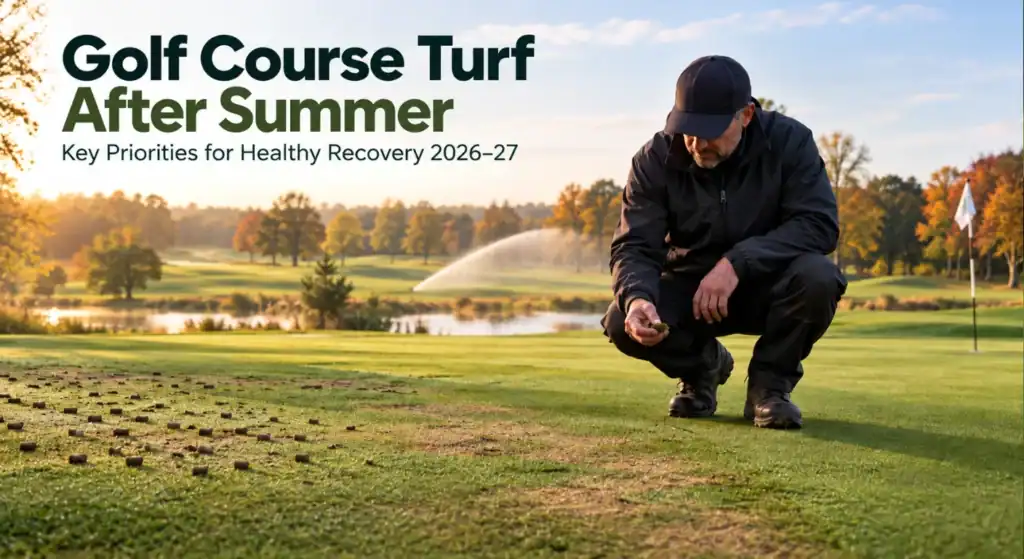

When summer fades into autumn, golf course turf really feels it. All those hot days, endless rounds of play, heavy irrigation, and constant mowing by the time September rolls around, every part of the course tells a different story. Greens have their issues, fairways have others, and the roughs can look downright beat up.
September isn’t just a flip of the calendar. It’s a chance to see exactly what summer left behind. This is when you need to walk the course, check out the golf course turf closely, and decide what needs a helping hand; maybe it’s recovery, maybe a bigger renovation, or just more regular attention before colder weather settles in and makes things harder.
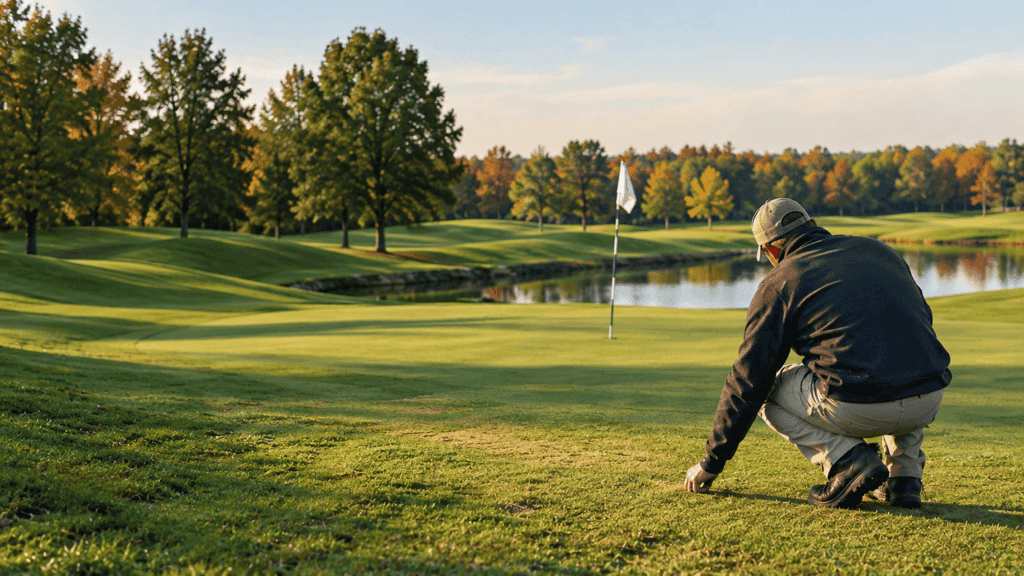
Managing golf course turf after summer isn’t something you can approach with a standard plan. There’s a lot that goes into it—what kind of grass you have, the weather where you live, and how your soil holds up. Some grasses bounce back when days get shorter and nights cool off, but others struggle, so just doing what you did last year probably won’t work out the same way.
First, take a close look at your lawn and see how it’s really doing. Check for spots that seem stressed, thin, or slow to recover. Let what you see guide your next move. The aim here is pretty simple: help your healthy grass recover from whatever the summer threw at it, and pay extra attention to areas that need some help before things really start to change.
Golf Course Turf Condition After Summer
Summer has a way of highlighting golf course turf problems you barely noticed back in spring. Heat, too much or too little rain, more disease pressure, soil compaction, and crowds of golfers all start to make their mark. Suddenly, those issues aren’t so easy to ignore. That’s why it helps to step back and look at the whole course before jumping into action. Not every surface needs the same treatment. Some areas bounce back fast, while others struggle and demand more care.
Putting greens really need a sharp eye. They get mowed close and see heavy foot traffic, making them more vulnerable. Fairways and tees end up with their own wear patterns, and the roughs are handy for spotting drainage, irrigation, or soil troubles.
When checking out the golf course turf, you can’t just go by looks. Sometimes a green seems fine above ground, but the roots are weak or the soil underneath isn’t right. And if you spot a thin patch, don’t just blame fertiliser. It could be compaction, poor drainage, too much use, disease, or a mix of these causing trouble.
What to look for after summer
- Thin or declining golf course turf populations
- Areas showing inconsistent colour or density
- Compacted soil or poor infiltration
- Weak root development
- Damage associated with concentrated traffic
- Areas that repeatedly required additional irrigation
- Persistent wet or dry zones
- Disease symptoms or recurring disease locations
- Bare or weak areas requiring recovery or establishment
- Differences between irrigated and non-irrigated areas
This assessment should also be reviewed alongside your summer maintenance records. Knowing where irrigation was increased, where disease occurred, or where golf course turf needed additional repairs can help explain the problems you see on the course.
You may also like
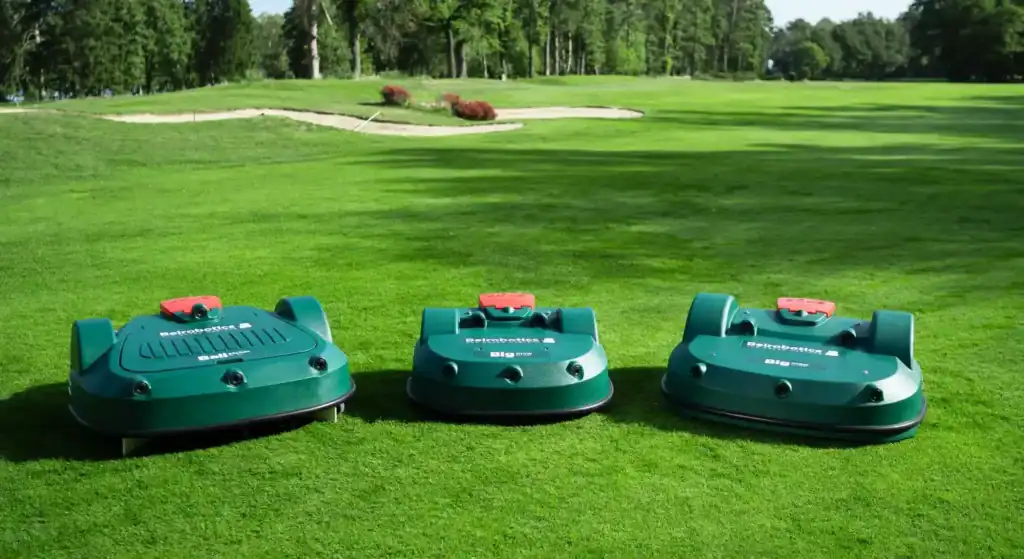
Past observations are especially useful when the same areas continue to struggle. If a specific location has problems every summer, there may be an issue with soil, irrigation, shade, or traffic. Just increasing water inputs may not reduce the root cause. Identifying the reason behind the recurring problem can help you choose a more effective long-term management approach.
Repairing Summer Stress Before Conditions Change
After summer, the big question is figuring out which parts of the course will bounce back by themselves and which ones need some help. Grass doesn’t heal up evenly everywhere. Things like temperature, moisture, the type of grass, how healthy the roots are, and the overall growing conditions all play a role in how fast everything recovers.
A practice that works well when golf course turf is actively growing may not be as effective once growth starts to slow. That makes timing especially important as the course moves into autumn. The focus should be on matching maintenance practices to the turf’s current condition and its ability to recover.
The USGA notes that September can provide favourable conditions for recovery and important cultural practices in many northern regions because cooler temperatures can relieve summer stress while golf course turf is still actively growing. However, the appropriate timing varies considerably by region and golf course turf type.
Aeration and soil conditions
Aeration is often an important part of post-summer golf course turf management. Driving over turf again and again, along with regular maintenance, really packs the soil down and makes life tough for roots. Aeration isn’t just about punching some holes in the ground—it’s really about opening up channels for air and water to get deeper, which gives roots the kind of environment they need to thrive.
But here’s the thing: when and how you aerate matters a lot. If you’re too rough, especially when the grass is already having a tough time or the weather just isn’t right, you might cause more problems than you fix. Take a minute before you start. Check how the lawn’s holding up, look at the weather, and think about how much recovery time the golf course turf will actually get. All of that should guide how intense your fall aeration plan should be.
For this reason, greenkeepers should consider questions such as:
- Is the golf course turf actively growing?
- Does the surface have sufficient recovery potential?
- Is the soil too wet or too dry?
- Are colder conditions approaching?
- Does the planned treatment match the condition of the golf course turf?
- Will the course have enough time to recover before conditions deteriorate?
There is no universal aeration date that applies to every golf course. The same principle applies to other disruptive cultural practices. The goal should be to improve golf course turf conditions without creating unnecessary recovery problems.
Managing Irrigation as Summer Ends
Irrigation needs shift fast as summer fades away. When it’s hot, everyone’s just trying to keep the golf course turf from drying out. But when the weather cools off and days get shorter, sticking with the same watering routine can actually overdo it. It can also leave some areas unnecessarily wet.
You may also like

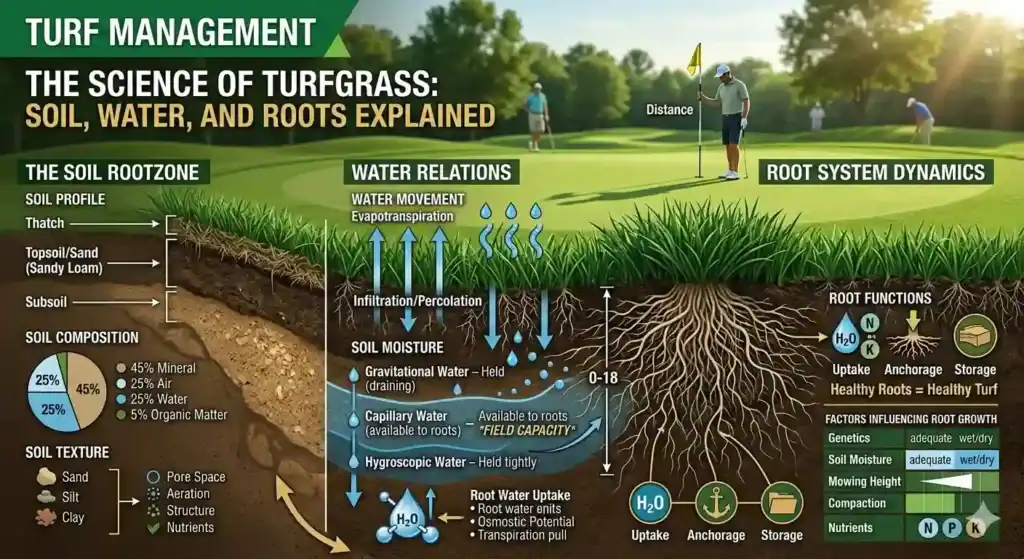
That does not mean irrigation should simply be reduced across the entire course. It’s better to base decisions on what’s happening right now with your turf and soil. Keep an eye out for spots that dry out in no time and places that stay wet for too long.
Those patterns usually signal bigger problems, things like poor drainage, compacted soil, shady areas, sprinkler gaps, or patches where the golf course turf isn’t as thick. Autumn’s actually a good moment to check if your irrigation system hits all areas evenly and tweak anything that’s off.
Questions to consider
- Which areas require the most irrigation during summer?
- Are those areas still drying faster than the surrounding golf course turf?
- Are irrigation heads providing consistent coverage?
- Are there locations receiving water that no longer need it?
- Are shaded areas staying wet longer?
- Are compacted areas infiltrating water effectively?
- Are recurring dry spots linked to soil or irrigation problems?
The purpose of this review is not simply to reduce water use. It is to make irrigation more precise and better aligned with golf course turf requirements.
Reviewing Fertility and Nutrient Requirements
Post-summer fertility should begin with observation rather than simply adding more fertiliser. Turf that has experienced prolonged environmental stress may not respond well to higher nutrient inputs. Fertility decisions should consider golf course turf condition, soil information, growth patterns, and the species being managed.
Assess Golf Course Turf and Soil Conditions First
Before you decide on fall fertiliser plans, take a walk around the course and really pay attention to where the grass looks healthy and where it’s struggling. Get some soil tests done; they’ll tell you what nutrients are actually there and whether you need to add anything at all.
Keep an eye out for any patterns. If some spots dry out fast or always seem soggy, you might be looking at problems with drainage, compacted soil, too much shade, sprinkler issues, or even thin golf course turf. If you catch these problems early, you can avoid dumping fertiliser where it won’t do any good.
Match Fertility to Seasonal Growth
A fertility programme should support healthy golf course turf growth without encouraging excessive or poorly timed growth. The goal is not simply to improve colour in the short term. Instead, the focus should be on developing turf that is strong enough to recover from summer stress and handle the next stage of the season.
Managing Traffic and Wear
Summer may leave heavily trafficked areas noticeably thinner than the surrounding turf. Tees, entry points, cart routes, collars, and other high-use areas can experience repeated stress. When golf course turf growth slows, recovery from this traffic can also become more difficult. Traffic management, therefore, becomes an important part of autumn preparation. The USGA recommends strategies such as moving ropes and signs, restricting cart access to vulnerable areas, and distributing traffic more evenly when fall and winter use is expected to remain high.
The same principle applies to practice areas. Practice tees can experience particularly concentrated wear. Rotating teeing areas, controlling access and using artificial mats when appropriate can reduce pressure on natural golf course turf during periods when recovery becomes slower.
You may also like
Monitoring Disease Pressure
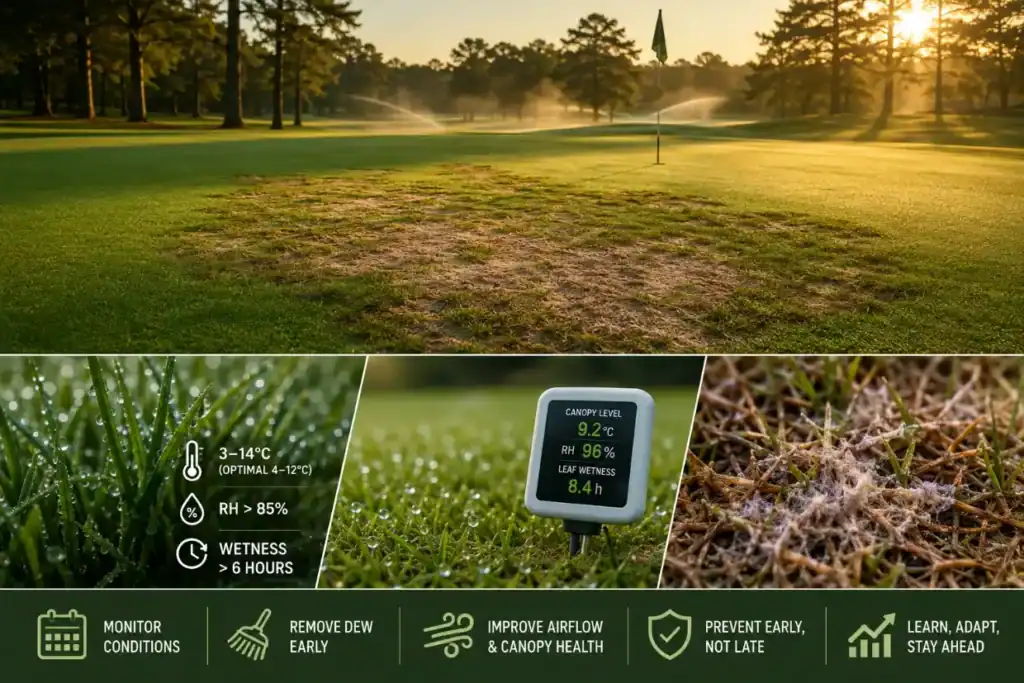
Just because summer’s over doesn’t mean turf diseases take a break. As the weather shifts, temperature drops, humidity goes up or down, leaves stay wetter, or grass starts growing faster or slower, new problems can pop up. And if your turf’s already taken a beating over the summer, it’s even more likely to get hit with disease now. Disease management should therefore be based on observation and course history rather than treating every area identically.
Recurring disease locations deserve particular attention. If the same part of a fairway or green develops symptoms each year, the underlying conditions should be investigated.
Possible contributing factors can include:
- Moisture patterns
- Drainage
- Turf density
- Soil conditions
- Shade
- Mowing practices
- Nutrient management
- Environmental stress
The objective is to understand why the problem occurs, not simply to respond after symptoms become severe.
Identify Early Signs of Disease
When summer fades into autumn, turf diseases tend to crank up on the golf course. That’s why greenkeepers need to stay extra alert. Keep an eye out for weird colours, thinning areas, or unusual patches; anything that feels off. Spotting these problems early gives the team a chance to jump in, figure out what’s happening, and sort it out before it gets any worse.
Consider Weather and Golf Course Turf Conditions
Disease development is influenced by factors such as temperature, moisture, humidity, turf condition, and air movement. Areas that remain wet for long periods or have poor airflow may be more vulnerable to disease. Reviewing these conditions alongside turf observations can help explain why certain areas are affected while others remain healthy.
Review Previous Disease Problems
Past disease activity can provide useful information when planning autumn maintenance. If the same areas have experienced disease repeatedly, greenkeepers should look beyond the visible symptoms and consider underlying conditions such as excessive moisture, poor drainage, shade, or weak turf growth. Keeping records of when and where problems occurred can help identify recurring patterns and support more targeted disease management.
Preparing for Overseeding and Golf Course Turf Establishment
For courses that rely on overseeding, late summer and early fall are important periods for preparing the turf and seedbed. Successful establishment depends on more than simply applying seed. Greenkeepers need to consider existing turf conditions, timing, grass selection, soil preparation, and the course’s long-term maintenance goals.
Prepare the Seedbed Before Overseeding
Getting the seedbed right makes a huge difference when you’re trying to grow new turf. Before putting down new seed, greenkeepers need to really check out the turf and soil. If the ground’s packed solid, roots struggle and water just runs off. Too much thatch? The seeds never make contact with the soil, so they barely stand a chance. Sorting out these issues first gives your new seeds the best possible shot at growing strong.
How you get the area ready depends on what shape the turf’s in, your soil type, and what the course actually needs. Matching your prep work to those things makes all the difference.
You may also like

- Assess soil condition: Check for compaction, poor drainage, and other conditions that may limit establishment.
- Manage excessive thatch: Remove or reduce problematic thatch where it is affecting seed-to-soil contact.
- Improve seed-to-soil contact: Prepare the surface so the seed can make adequate contact with the soil.
- Consider moisture conditions: Maintain suitable moisture without creating excessively wet areas.
- Time cultivation carefully: Schedule preparation work when turf and weather conditions allow sufficient recovery.
Address Compaction and Thatch
Compaction and excessive thatch can create poor conditions for new turf establishment. Compacted soil blocks air and water from getting down into the roots. If there’s a thick layer of thatch on top, seeds can’t reach the soil like they should. Before overseeding, greenkeepers need to check if these problems are holding back the turf.
Catching problems early really takes the guesswork out of what to do next; maybe the lawn needs aeration, or it’s time to deal with thatch. The right move depends on what you see and feel: the look of the turf, the condition of the soil, and just how packed-down or thick with thatch things are. If you address those issues up front, you set the stage for seeds to sprout evenly and grow sturdy roots right from the beginning.
- Check for compaction: Look for areas where restricted root growth or poor water movement may be affecting turf.
- Assess thatch levels: Determine whether accumulated organic material is interfering with seed-to-soil contact.
- Focus on problem areas: Prioritise sections where compaction or thatch has contributed to weak turf performance.
- Consider existing golf course turf: Match preparation practices to the grass species and current condition of the playing surface.
- Allow time for recovery: Schedule disruptive cultivation early enough to give existing turf suitable time to recover.
Create Suitable Conditions for Germination
Overseeding really comes down to giving grass seed the right start. Once you’ve got the seedbed ready, make sure the seeds actually touch the soil, they need that contact to grow. After that, pay attention to moisture and temperature, and just keep an eye on the surface. If the seedbed dries out, everything grinds to a halt. But if you drown it with water, you’ll just end up with uneven patches or maybe even some disease issues. It’s all about balance.
- Monitor Early Golf Course Turf Growth: Check newly established turf regularly to identify weak or inconsistent areas.
- Maintain Suitable Moisture: Keep the seedbed adequately moist without creating saturated areas.
- Monitor Soil Temperature: Consider seasonal temperatures when planning overseeding and establishment.
- Improve Seed-to-Soil Contact: Ensure seed has sufficient contact with the prepared soil surface.
- Watch for Uneven Establishment: Monitor sections where germination or turf development appears slower.
- Adjust to Weather Conditions: Modify watering and maintenance when rainfall, temperature, or drying conditions change.
Select Turfgrass for Local Conditions
Picking the right turfgrass really matters if you want solid overseeding and a lasting, healthy lawn. Different types of grass react in their own ways to things like heat, rain, soil, shade, and how much people walk on them. Just because a certain grass thrives somewhere else doesn’t mean it’ll work on your course. So, it’s smart for greenkeepers to look closely at their course’s conditions before settling on a seed. When you choose grass that fits your local weather and soil, it takes root faster and you dodge a lot of future headaches with upkeep.
You may also like


- Consider Local Climate: Select turfgrass that can perform under the typical temperature and seasonal conditions of the region.
- Evaluate Soil Conditions: Consider soil type, drainage, fertility, and other factors that influence golf course turf establishment.
- Match Turf to Playing Conditions: Account for traffic, mowing requirements, and the level of wear different areas receive.
- Assess Water Availability: Choose varieties that are compatible with the course’s irrigation capacity and water conditions.
- Consider Shade and Sunlight: Identify areas where limited sunlight may affect turf growth and select suitable grass types.
- Review Long-Term Performance: Consider how the selected turfgrass is expected to perform beyond initial establishment and through future seasons.
Consider Climate and Turf Performance
Picking the right turfgrass really matters if you want solid overseeding and a lasting, healthy lawn. Different types of grass react in their own ways to things like heat, rain, soil, shade, and how much people walk on them. Just because a certain grass thrives somewhere else doesn’t mean it’ll work on your course. So, it’s smart for greenkeepers to look closely at their course’s conditions before settling on a seed. When you choose grass that fits your local weather and soil, it takes root faster and you dodge a lot of future headaches with upkeep.
- Evaluate Temperature Patterns: Consider seasonal temperatures and how they affect turf growth and establishment.
- Review Rainfall and Moisture: Account for local rainfall patterns and the course’s ability to maintain suitable soil moisture.
- Consider Daylight Conditions: Reduced daylight can affect growth rates, particularly as autumn progresses.
- Match Turf to the Region: Select grass varieties that are suited to the local growing environment.
- Monitor Seasonal Performance: Track how turf responds as temperatures and weather conditions change.
- Plan for Long-Term Conditions: Choose turfgrass based on expected performance throughout the season, not only during initial establishment.
Match Seed Selection to Course Requirements
Seed selection should reflect how each area of the golf course is used and maintained. Greens, tees, fairways, and other playing surfaces can have different requirements because they experience different levels of traffic, mowing, shade, moisture, and wear. Choosing seed based only on appearance or availability may lead to inconsistent establishment. Greenkeepers should consider the specific demands of each area before selecting a turfgrass variety. This helps create turf that is better suited to the course’s playing conditions and long-term maintenance needs.
- Match Seed to Turf Area: Select varieties based on whether the seed will be used on greens, tees, fairways, or other course areas.
- Consider Traffic Levels: Choose turfgrass that can tolerate the amount of foot and equipment traffic expected in each area.
- Evaluate Mowing Requirements: Consider the mowing height and frequency required for the playing surface.
- Account for Shade and Sunlight: Select varieties that can perform under the light conditions found in the target area.
- Consider Moisture and Drainage: Match seed selection to areas that are naturally dry, wet, or affected by drainage limitations.
- Plan for Long-Term Management: Choose turfgrass that fits the course’s maintenance practices and expected playing conditions.
Plan for Establishment and Long-Term Recovery
Overseeding should be viewed as part of the broader seasonal management plan rather than a single maintenance task.
You may also like

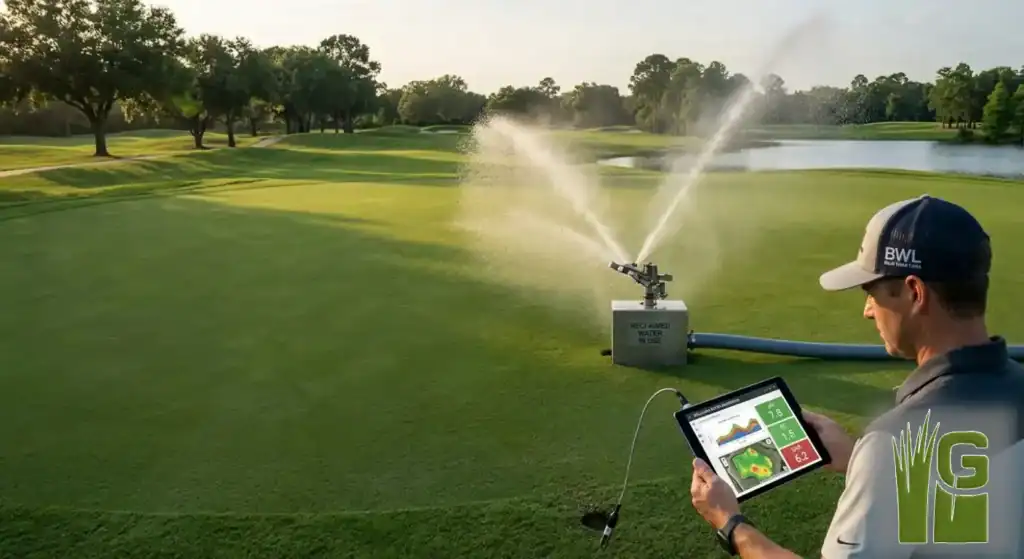
Monitor Newly Established Turf
After seeding, greenkeepers should monitor germination, golf course turf density, moisture, and areas showing uneven establishment. Early observations can help identify problems before they affect larger sections of the course.
Protect Existing Warm-Season Turf
On courses with warm-season grasses, fall maintenance should also account for dormancy and winter recovery. Management decisions should support both the establishment of new turf and the long-term health of the existing grass.
Consider the Course’s Long-Term Needs
Overseeding is not a solution for every course or every golf course turf condition. The right approach depends on the existing turfgrass, local climate, desired playing conditions, water availability, and long-term management goals.
Warm-season turf also requires careful consideration. Fall maintenance can affect dormancy and the turf’s ability to recover and return healthy the following year. For this reason, overseeding and fall maintenance plans should be tailored to the specific needs of each course.
Using September to Identify Recurring Problems
One of the biggest opportunities after summer is to stop treating every golf course turf problem as an isolated event. If an area repeatedly becomes dry, weak, diseased, or heavily worn, its history can reveal a pattern. This is where accurate record-keeping becomes valuable. A simple maintenance record can document when an area required additional irrigation, experienced disease, received aeration or required repair. Over time, these records can help greenkeepers distinguish between temporary summer damage and persistent site-specific problems.
For example, if the same fairway section develops drought stress every year despite receiving additional irrigation, increasing irrigation again may not address the underlying cause. Soil conditions, irrigation distribution, root development or drainage may deserve closer investigation.
Using September to Identify Recurring Problems
September provides a useful opportunity to look beyond immediate turf damage and identify problems that have developed repeatedly during the summer. By reviewing turf conditions, maintenance records, and recurring stress patterns, greenkeepers can determine whether a problem is temporary or connected to an underlying course condition.
Compare Turf Performance Across the Course
Different areas of a golf course can respond very differently to the same weather and maintenance programme. Some sections may recover quickly after heat and traffic, while others continue to show thinning, discoloration, or poor growth.
Comparing these areas can help identify patterns. Consistent differences in turf performance may point to variations in soil, drainage, shade, irrigation coverage, traffic, or turfgrass species. Recording these observations in September can provide a clearer picture of where attention is needed before the next growing season.
Review Summer Maintenance Records
Maintenance records can provide important context for what greenkeepers see on the course. Reviewing irrigation adjustments, disease treatments, fertiliser applications, repairs, and areas that required additional attention can reveal where problems occurred most frequently.
This information becomes more valuable when compared with current turf conditions. If the same areas required repeated intervention throughout summer, they may need a closer investigation rather than another short-term treatment.
Identify Repeated Stress and Damage
Recurring stress is often easier to recognise after several months of observation. Areas that repeatedly dry out, remain wet, suffer from traffic, or show disease symptoms may have a consistent underlying cause.
You may also like

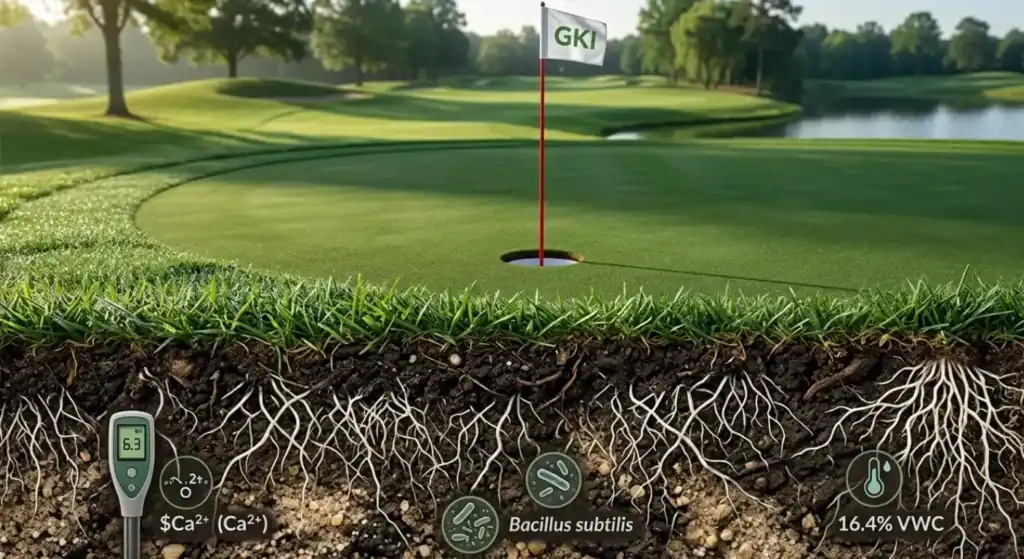
September is a good time to document these locations while the season’s maintenance history is still fresh. Identifying repeated problems can help greenkeepers distinguish between normal seasonal stress and conditions that require a longer-term solution.
Investigate Underlying Soil and Drainage Issues
When turf repeatedly struggles in the same location, the cause may be below the surface. Compaction, poor drainage, unsuitable soil conditions, or restricted root development can limit turf recovery even when irrigation and fertility programmes are properly managed.
Investigating these conditions can help explain why certain areas consistently perform poorly. Soil testing, drainage assessments, and physical inspections can provide useful information before more intensive maintenance decisions are made.
Use Seasonal Patterns to Plan Future Maintenance
The problems identified in September can become part of the course’s long-term maintenance planning. Instead of treating each issue as an isolated event, greenkeepers can use seasonal records to identify patterns and prioritize areas that require further attention.
This approach allows future maintenance programmes to be based on observed course conditions rather than assumptions. Over time, consistent records can help the maintenance team understand how different areas respond to weather, traffic, irrigation, and cultural practices and make more informed decisions for the following season.
Building a Post-Summer Maintenance Plan
Once the course has been assessed, priorities can be organised according to urgency and recovery potential. Not every problem needs to be addressed simultaneously. Some areas may require immediate intervention because continued traffic could cause further decline. Others may recover naturally as temperatures moderate. Larger renovation projects may need to be scheduled around the golfing calendar and the biological needs of the turf.
Building a Post-Summer Maintenance Plan
A post-summer maintenance plan should turn the observations made during the transition into clear priorities for the weeks ahead. Instead of treating every problem in the same way, greenkeepers can use turf condition, weather, soil performance, and maintenance history to determine which areas need immediate attention and which can be monitored.
Prioritize Areas That Need Immediate Attention
Not every area of the course will require the same level of intervention. Sections showing severe thinning, poor recovery, disease symptoms, compaction, or persistent moisture may need attention before less urgent issues.
Prioritizing these areas helps the maintenance team use time and resources more effectively. It also prevents minor problems from receiving the same attention as conditions that could affect turf health more significantly.
Schedule Recovery and Maintenance Work
The timing of maintenance work becomes especially important as summer conditions give way to autumn. Practices such as aeration, overseeding, fertilization, irrigation adjustments, and repairs should be scheduled according to turf condition and expected recovery time.
A clear schedule can also help avoid carrying out multiple disruptive practices at the same time. Coordinating maintenance activities gives turf a better opportunity to recover while keeping the course prepared for changing seasonal conditions.
Adjust Irrigation and Fertility Programs
Post-summer conditions may require changes to irrigation and fertility programmes. As temperatures and daylight decrease, water and nutrient requirements can change across different areas of the course.
You may also like
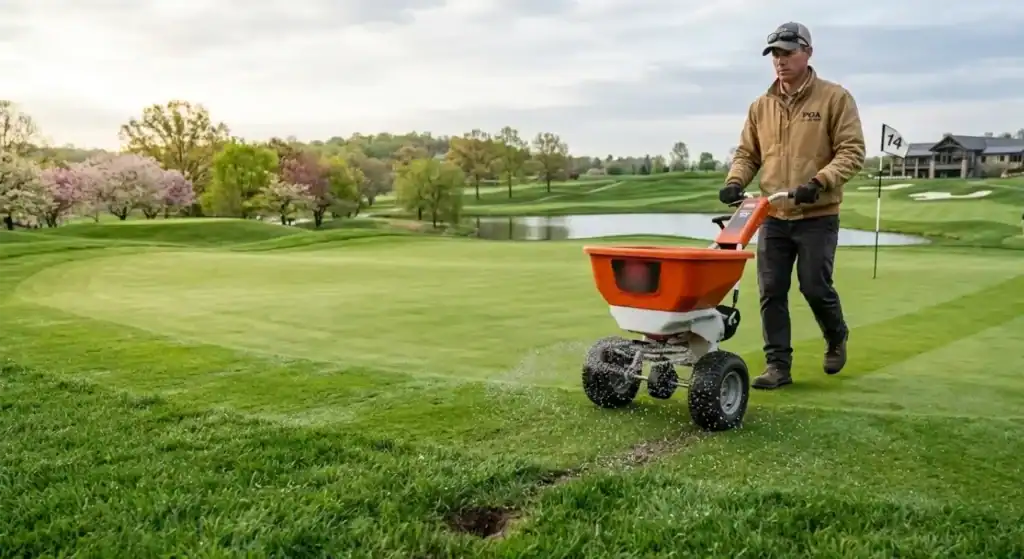

Rather than making broad adjustments, greenkeepers should use current turf performance, soil conditions, weather patterns, and maintenance records to guide decisions. This allows inputs to be adjusted where they are actually needed.
Monitor Areas With Recurring Problems
Areas that repeatedly struggled during summer should remain part of the maintenance plan even after visible symptoms improve. Continued monitoring can help determine whether the issue has been resolved or is likely to return.
Recording changes in turf condition, moisture, disease activity, and recovery can provide useful information for future maintenance planning. Over time, these records can reveal patterns that are difficult to identify from individual inspections.
Prepare for the Next Stage of the Season
A post-summer plan should look beyond immediate recovery and consider what the turf will need as autumn progresses. Greenkeepers may need to prepare for overseeding, changing weather, reduced growth, winter conditions, or the return of seasonal playing demands.
The goal is to move from summer recovery into a stable maintenance programme that supports healthy turf throughout the next stage of the year. A well-planned transition can reduce unnecessary stress and help the course enter the following season in better condition.
A practical post-summer priority list
- Identify the areas most affected by summer stress.
- Separate temporary damage from recurring problems.
- Review irrigation performance and soil moisture patterns.
- Assess compaction and root-zone conditions.
- Determine whether aeration is appropriate and properly timed.
- Review fertility using turf condition and soil information.
- Monitor disease-prone areas.
- Protect weak turf from unnecessary traffic.
- Plan overseeding where it is appropriate.
- Record areas that require continued monitoring.
This approach creates a more deliberate maintenance programme instead of relying on a single seasonal treatment.
Preparing Turf for the Coming Season
Post-summer management is not only about repairing damage. It is also about preparing turf for the environmental conditions that follow. For some courses, autumn provides an opportunity for strong recovery before winter. For others, the priority may be protecting warm-season turf as growth slows or preparing for overseeding. The correct strategy depends on location and grass type.
When cool-season turf hits its growth spurt in September and early fall, the grass really bounces back. Down in warmer areas, though, things look a little different; you’re juggling warm-season turf, figuring out if you’ll overseed, and adjusting your watering schedule. So honestly, you can’t just go by the calendar. You’ve got to pay attention to what’s happening right where you are. That’s what good seasonal lawn care is all about.
Using Data to Support Turf Decisions
Taking care of a golf course these days is a whole new game. Greenkeepers aren’t just strolling the turf; they’re keeping tabs on just about everything, using practical greenskeeping insights to understand turf conditions, irrigation, drainage, and other factors that affect course performance. They track soil moisture, watch the weather shift, adjust irrigation, keep an eye out for diseases, and jot down detailed notes about what’s working or not. They really dig into how each part of the course responds to whatever’s thrown at it.
You may also like

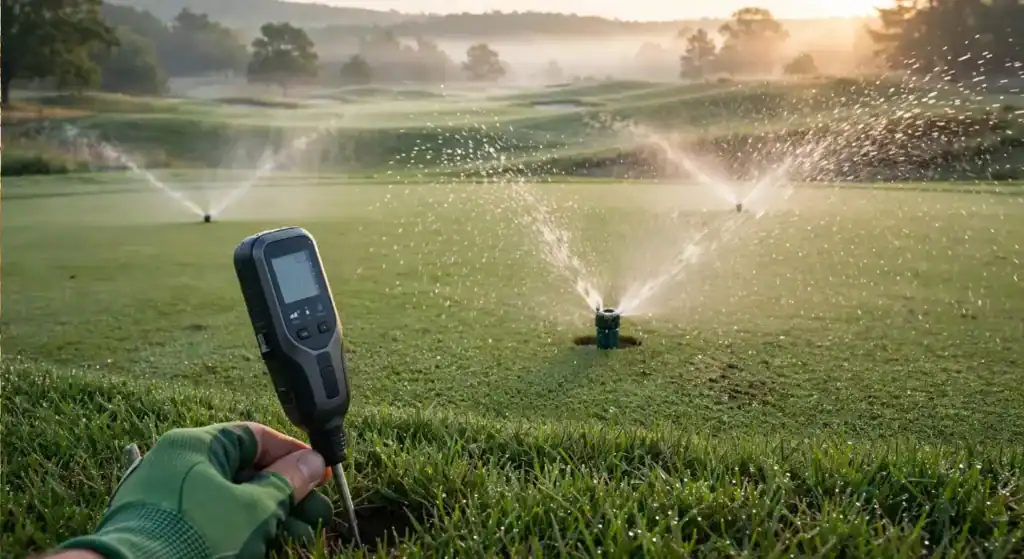
Plus, remote sensing technology has made things a lot easier, especially when you use it alongside your own boots-on-the-ground observations. Things like multispectral and thermal imagery can pick up turf issues or dry spots that you’d never notice just by walking around.
In the end, the best results come from combining your own observations with data from all these sensors and records. That’s how you really get to the bottom of what’s happening on the course.
Monitor Turf Conditions Over Time
Tracking changes in turf condition helps greenkeepers identify areas that are improving, declining, or repeatedly experiencing stress. Comparing observations across weeks and seasons can reveal patterns that may not be obvious from a single inspection.
Combine Turf, Soil, and Maintenance Data
Turf observations become more useful when combined with soil tests, irrigation records, weather information, and maintenance history. Looking at these factors together can help explain why certain areas perform differently and support more targeted management decisions.
Use Trends to Plan Future Maintenance
Historical data can help greenkeepers plan upcoming maintenance rather than reacting to problems after they appear. Recurring stress, uneven growth, or repeated irrigation issues can highlight areas that may need closer monitoring or changes to the maintenance approach.
A More Strategic Approach to Autumn Turf Management
When summer winds down, it’s a great chance for every golf course to take stock. Instead of just slipping into the same old September routine, greenkeepers can step back and really look at how the turf handled all the summer stress and figure out where to go from here.
If certain areas stayed healthy, leave them be for now; they probably don’t need much. But patches that struggled need a little more attention. Maybe recovery work, keeping golfers off them for a bit, or finding ways to help the grass grow better. If there are spots that always give you trouble, now’s the time to look closer. Maybe there’s an issue with the soil, drainage, irrigation, or even something in the environment.
Bottom line: treat each area based on what it actually needs, not just what the calendar says. The best fall maintenance builds off the summer’s lessons; it doesn’t ignore them and start from scratch.
Golf Course Drone Services Support Post-Summer Turf Management
Golf course drone services give greenkeepers a whole new perspective on turf conditions, especially after a rough summer. Why stick to walking the course and scribbling notes when you can just fly a drone overhead and see everything in one shot? Up in the air, it’s way easier to spot patches where the grass isn’t happy, where it’s growing weird, or water’s pooling where it shouldn’t.
You notice things in the fairways, greens, and roughs you’d never catch while standing at ground level. The high-res images lay out all the details; it’s like the problems jump right out at you. And if they’re using multispectral cameras, they don’t just see the surface; they can actually pinpoint how healthy the turf really is. Thermal images show hot and cool spots, which often point to irrigation issues or spots where the grass isn’t getting enough water.
You may also like
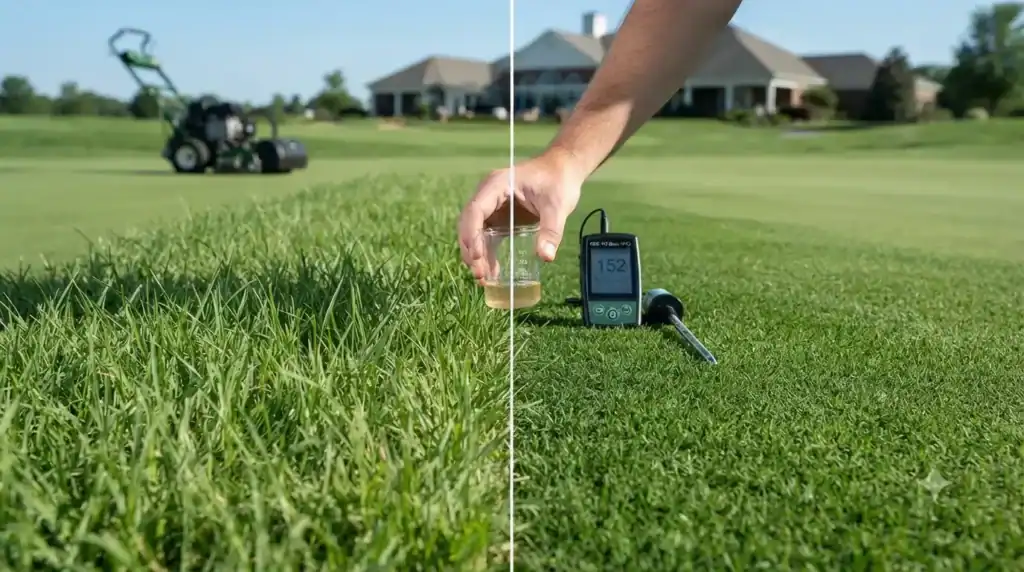

But it’s not just about snapping more photos; the real value comes from comparing this aerial data with what greenkeepers see on the ground, like their daily notes, irrigation logs, weather reports, and older turf checks. That’s how they figure out if a struggling area is going to bounce back on its own or if it needs some immediate, hands-on care.
After summer, drone surveys can be particularly useful for:
- Identifying areas with uneven turf growth or visible stress
- Reviewing large areas of the course more efficiently
- Spotting patterns that may not be obvious from ground level
- Supporting irrigation and drainage assessments
- Comparing turf conditions over time
- Documenting areas that may need repair or further investigation
Drone data shouldn’t take the place of a greenkeeper’s walk across the course. You still need boots on the ground to really know what’s going on with the soil, roots, compaction, moisture, and all the stuff a drone just can’t catch from above. When you use both drone flyovers and hands-on checks, you actually see the full story. The maintenance team can spot how the course handled the summer and figure out exactly where to focus as autumn rolls in.
Conclusion
After a long summer, golf course turf usually shows the wear and tear from heat, heavy use, tricky irrigation, and all sorts of environmental stress. September’s a good time to check how the grass is doing when there’s still enough growth left for recovery.
If you’re a greenkeeper, your checklist starts with inspecting turf health. Then tackle soil problems, fix any compaction, review how well your irrigation setup’s working, keep your fertility plans in check, shield spots that take a lot of foot traffic, and stay on top of disease threats. Thinking about overseeding or other fall programmes? Make sure you match those to your turf type, local climate, and the long-term goals for your course.
Don’t fall into the routine trap; watch the turf closely and react to what you see. The best autumn work doesn’t just patch up visible damage; it helps you figure out what went wrong, why, and how to do better next year.

I’m Jessica Miles, a content writer with 3+ years of experience creating content around drone technology and UAV applications. Over the years, I’ve written about drone mapping, surveying, inspections, agriculture, construction, mining, golf course management, and Drone as a Service. I enjoy taking complex drone technologies and turning them into clear, practical, and easy-to-understand content that provides real value to readers.