Greenkeeping has always been a mix of science, art, and hard work. For centuries, greenkeepers relied on experience, observation, and intuition to keep golf courses in top shape. Today, technology in modern greenkeeping is transforming that work, making it smarter, faster, and more precise — without replacing the expertise of greenkeepers, but enhancing it.
Technology in Modern Greenkeeping: Precision Monitoring via Sensors
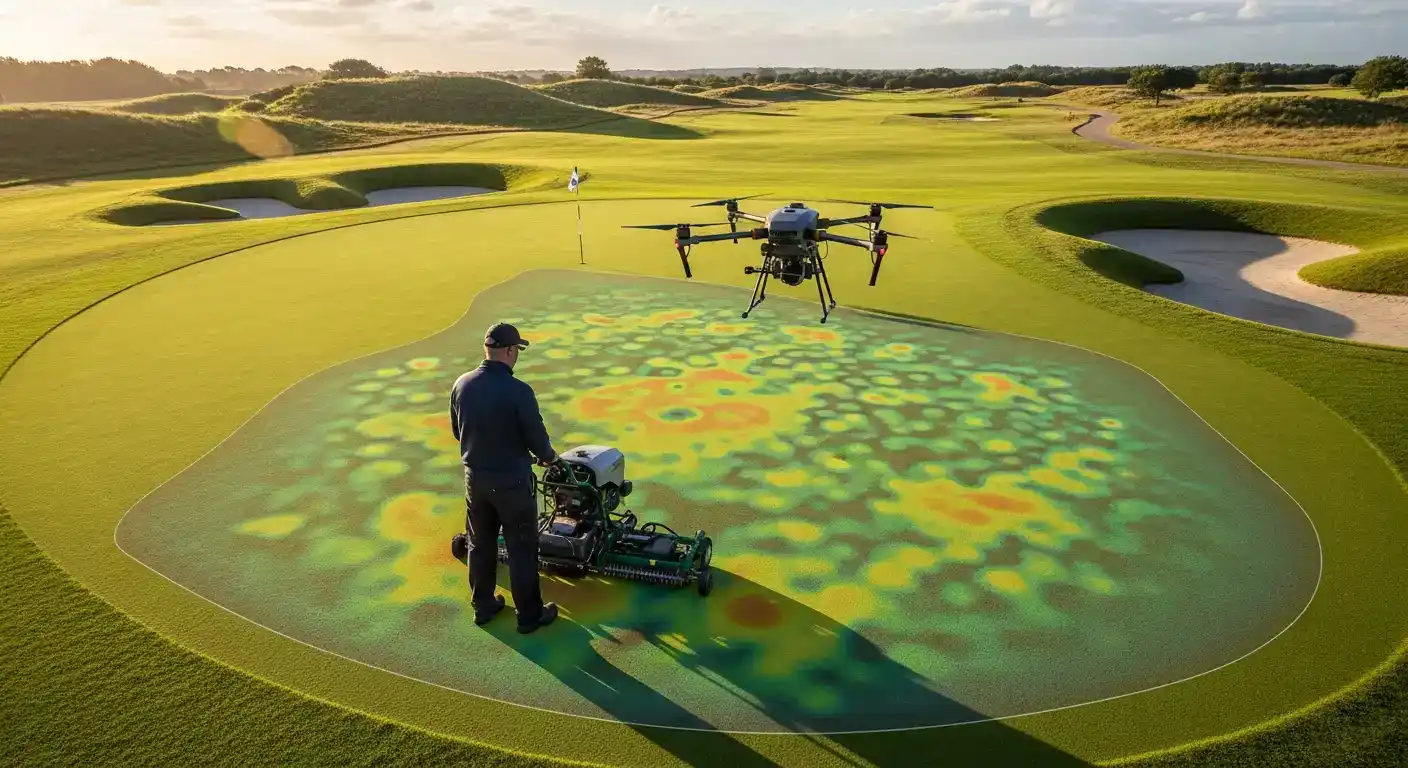
One of the biggest changes is the use of sensors. Modern courses across the globe now install soil moisture sensors, temperature probes, and even light sensors to monitor turf conditions in real time. These devices give greenkeepers immediate insight into what the grass needs. For example, instead of guessing how much to water a green, sensors can indicate exactly how much moisture is present in the soil, preventing overwatering and conserving water — a crucial consideration during dry summers or in regions with strict water regulations.
Data Management and Informed Decision-Making
Data management goes hand in hand with sensors. Every reading collected can be stored, analyzed, and compared over time. Greenkeepers can track trends, identify problem areas, and predict when intervention is needed. This allows for more informed decision-making and reduces waste of resources. Data also helps superintendents communicate with golf course owners, showing how maintenance practices improve turf health and save money in the long run.
Aerial Insights through Drone Technology
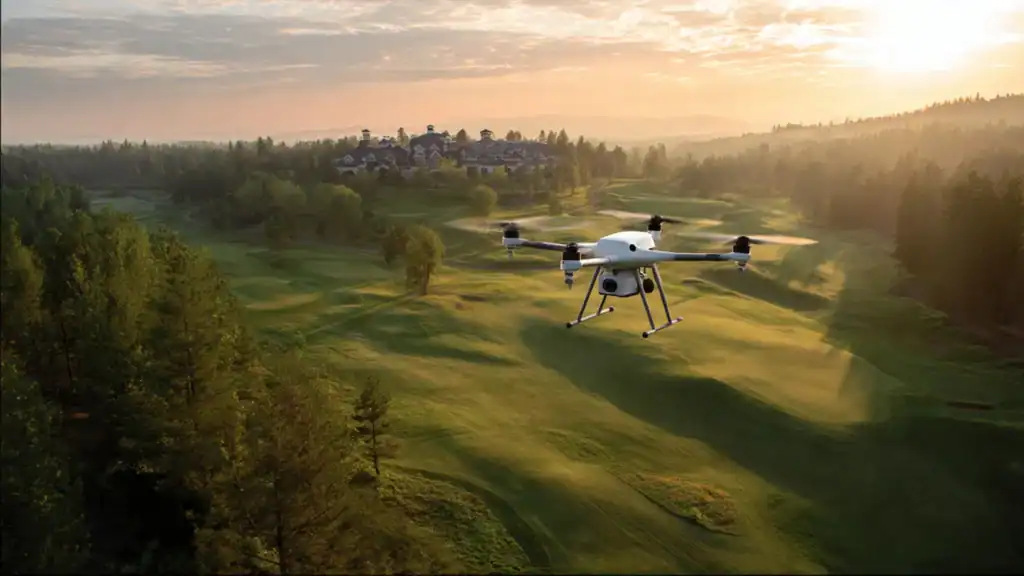
Drones are another technology increasingly seen on European and international courses. Flying over fairways and greens, drones can capture high-resolution images that reveal stress, pest damage, or uneven growth that might not be visible from the ground. Some drones even carry sensors that detect soil and turf health. For beginner greenkeepers, drones are a tool to learn more quickly about how turf behaves under different conditions, giving a new perspective on the landscape.
Automation in Irrigation and Mowing
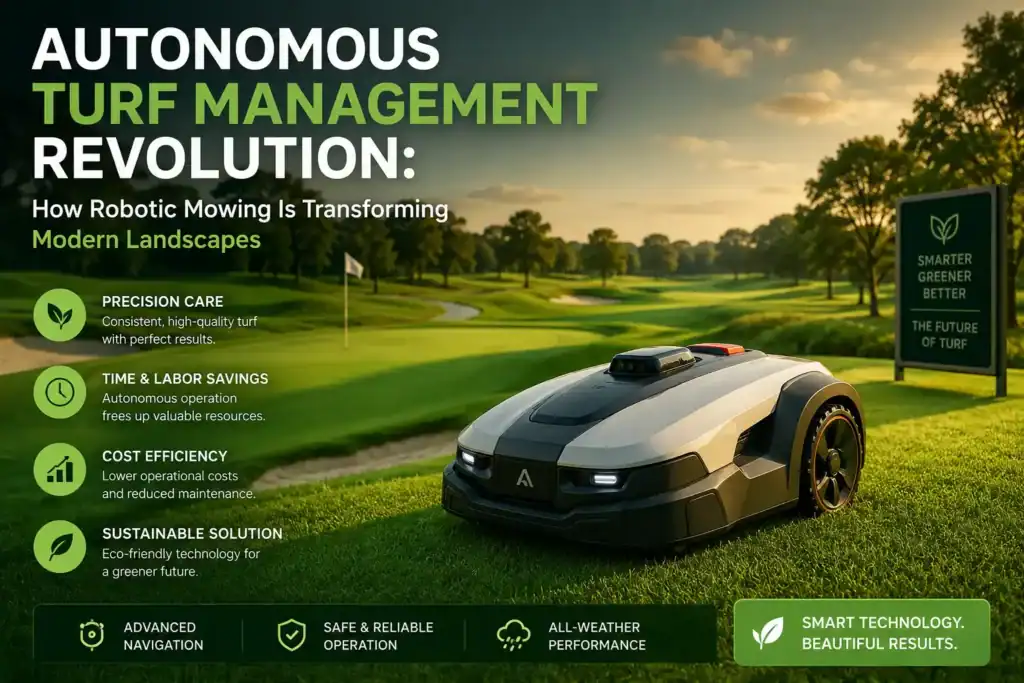
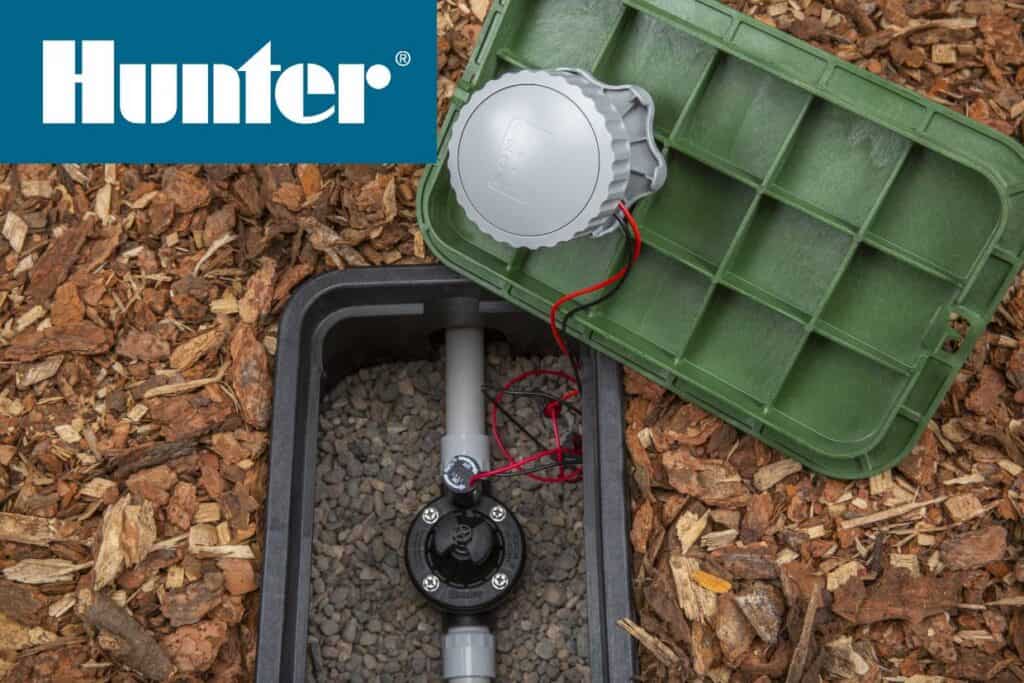
Automation is also becoming more common, particularly in irrigation and mowing. Automated irrigation systems can deliver precise amounts of water to specific areas, adapting to changing weather conditions. Robotic mowers are still less common in Europe than in some other regions, but they are gradually appearing on certain golf courses and sports fields, reducing repetitive labor while maintaining consistent cut quality. These machines do not replace human judgment — greenkeepers still decide mowing patterns, height, and timing — but they handle routine tasks efficiently.
Environmental Sustainability and Resource Conservation
Technology in modern greenkeeping also supports environmental sustainability. By using sensors, automated systems, and data analysis, courses can reduce chemical use, minimize water consumption, and protect soil health. This is becoming increasingly important as European golfers and authorities expect environmentally responsible maintenance practices.
The Synergy of Technology and Human Expertise
However, while technology in modern greenkeeping provides incredible tools, it cannot replace the experience and knowledge of greenkeepers. Sensors cannot feel turf texture, drones cannot sense subtle soil compaction, and machines cannot make judgment calls when unexpected problems arise. Technology works best when paired with skilled professionals who understand grass, soil, and weather. It is a support system — one that makes maintenance more effective, but still human-led.
You may also like
Evolving Skills for the Modern Career
For greenkeepers, technology in modern greenkeeping also means learning new skills. Understanding software, interpreting data, and operating drones or automated systems are now part of the job. This shift makes greenkeeping a modern, dynamic career that blends traditional horticulture with science and engineering.
Precision, Efficiency, and the Playing Surface
In the end, the role of technology in modern greenkeeping is about precision, efficiency, and sustainability. Sensors, data, drones, and automation allow courses to thrive under challenging conditions, respond faster to problems, and maintain high-quality playing surfaces. For golfers and turf lovers, the result is consistent, healthy greens and fairways. For greenkeepers, it’s a smarter way to care for the course — combining human expertise with technological innovation.
Conclusion: The Future of the Trade
The future of greenkeeping is not just about machines or gadgets; it is about making knowledge actionable. By embracing technology, greenkeepers across Europe can work more efficiently, protect the environment, and ensure that courses remain beautiful and playable for years to come. Technology in modern greenkeeping is changing the tools of the trade, but the heart of greenkeeping — observation, care, and dedication — remains firmly human.
I live where turf meets tech, science meets sod, and tradition meets tomorrow.
A curious mind with a passion for the ground beneath the game, this space is dedicated to exploring the innovations, breakthroughs, and sustainable practices that are reshaping golf courses worldwide.
From the latest advancements in grass genetics to the most innovative course management tools, I will highlight the ideas that help the industry grow smarter, play wiser, and think long-term for the planet.
The mission is simple: connect the dots between the lab and the fairway, transforming complex science and cutting-edge tech into clear, compelling stories.
Together, let’s make every course better—one groundbreaking story at a time.