

What is Primo Maxx?
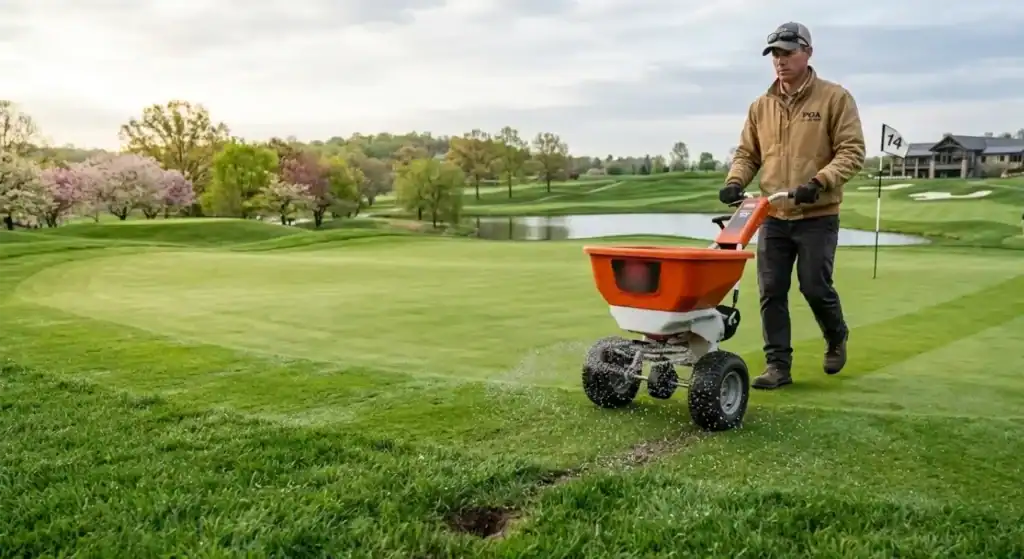
Primo Maxx is a plant growth regulator (PGR) widely used in professional turf management, particularly on golf courses, sports pitches, and high-quality lawns. Its active ingredient, trinexapac-ethyl, works by inhibiting the production of gibberellic acid, a natural plant hormone responsible for cell elongation.
In practice, this means that the grass grows less vertically, requiring less mowing, while putting more energy into lateral growth, thicker leaves, and stronger root systems.
Why Do We Use Primo Maxx?
- Reduced mowing frequency – Grass grows slower vertically, lowering labor and fuel costs.
- Improved playing quality – Denser sward, smoother ball roll, and better visual uniformity.
- Stress tolerance – Turf treated with Primo often shows greater resistance to heat, drought, and wear.
- Compatibility – It can be integrated with fertilizers, fungicides, and herbicides in maintenance programs.
When Should We Start and Stop Applications?
- Start: Primo Maxx is typically applied during the active growing season once soil temperatures are consistently above ~10–12°C (spring).
- Stop: Applications are usually suspended when growth slows down naturally – late autumn or during winter dormancy. Applying Primo on dormant turf is ineffective.
Greenkeepers often apply Primo in small, regular doses (so-called “light and frequent” programs) every 2–4 weeks, depending on growth rate and climate.
Vertical vs Lateral Growth: Does Primo Change Growth Habit?
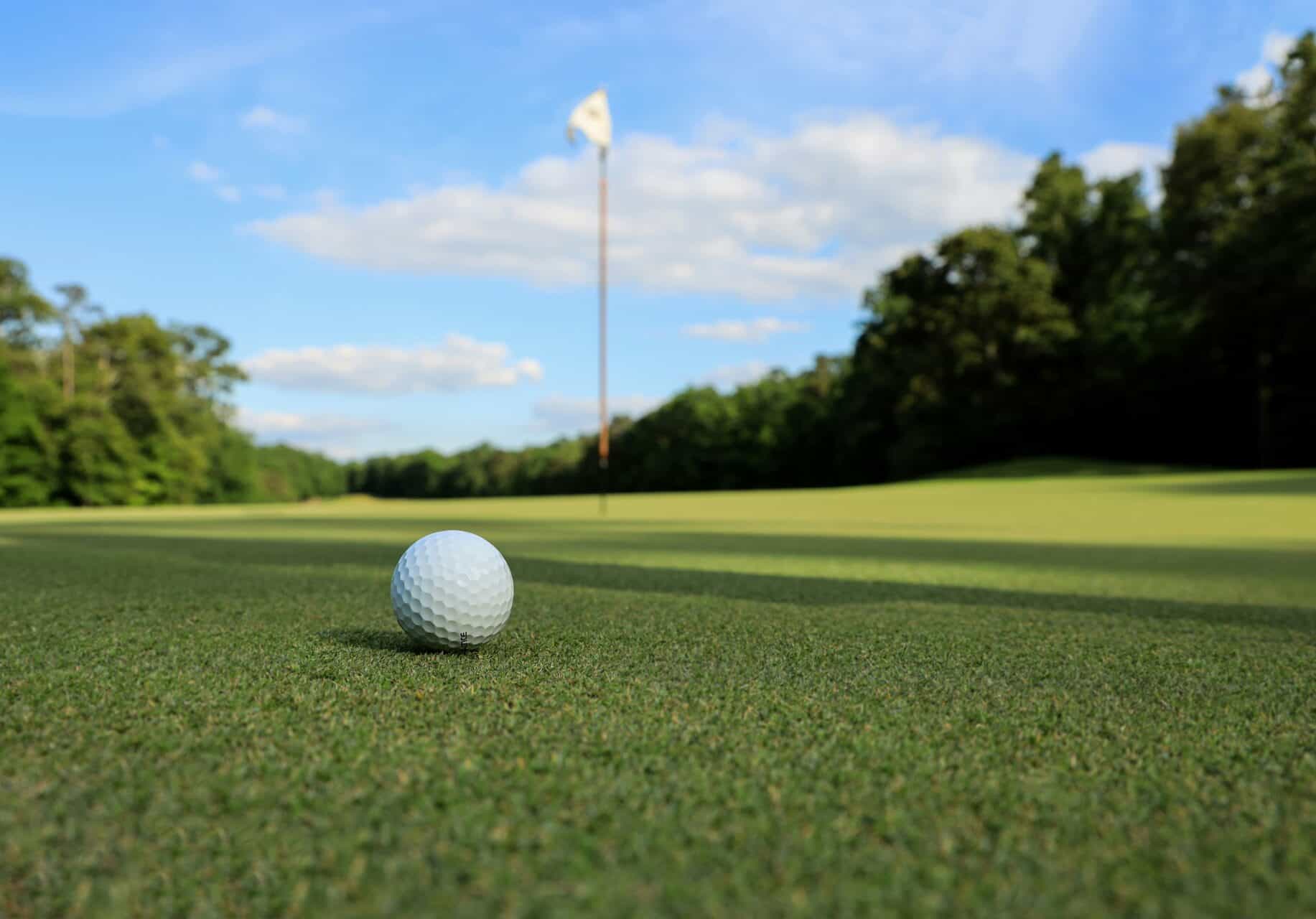
Yes – this is true. Regular Primo Maxx use reduces upward growth and encourages lateral tillering and spreading. This is one of the main reasons greens and fairways treated with Primo look denser and more uniform.
Primo Maxx and Turf Diseases
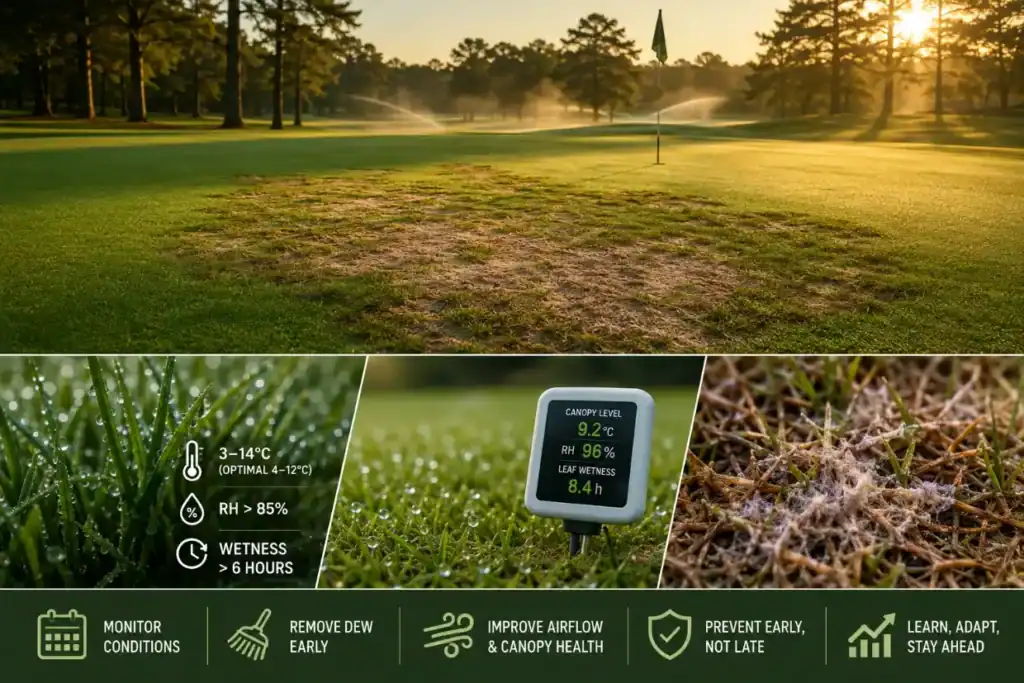
- There is anecdotal evidence that Primo can reduce the spread of certain diseases, like snow mold, by thickening turf and reducing leaf elongation.
- However, Primo is not a fungicide. It should never be considered a substitute for disease management programs.
- In some cases, by reducing lush growth, Primo can make turf less susceptible to fungal attack, but it won’t cure an infection.
Is Primo Maxx an Organic Product?
No – Primo Maxx is not organic. It is a synthetic plant growth regulator (chemical). While it can reduce mowing and fuel use (which helps sustainability goals), it does not meet organic certification standards.
Influence on Sustainable Turf Management
Using Primo Maxx can contribute positively to sustainability in a few ways:
- Reduced mowing → Less fuel, fewer emissions, lower labor input.
- Water savings → Treated turf often shows improved drought tolerance.
- Nutrient efficiency → Primo can be tank-mixed with fertilizers, improving uptake efficiency.
However, reliance on chemical regulators also raises sustainability concerns, especially in regions aiming to reduce pesticide and chemical inputs.
Primo Maxx and Sustainable Golf Course Management
Primo Maxx is not an organic or fully “green” product, but when integrated wisely into a holistic turf management plan, it can support sustainability goals:
- By reducing mowing, it lowers fuel use, emissions, and labor costs.
- By enhancing stress tolerance, it helps turf survive heat, drought, and wear, reducing reliance on excessive irrigation and fertilizers.
- By promoting denser growth, it improves playability and visual quality without always increasing chemical inputs.
However, sustainability in golf course management goes beyond a single product. It requires:
You may also like
- Choosing appropriate grass species (e.g., fescues or velvet bentgrass in Nordic regions).
- Emphasizing cultural practices (aeration, topdressing, integrated pest management).
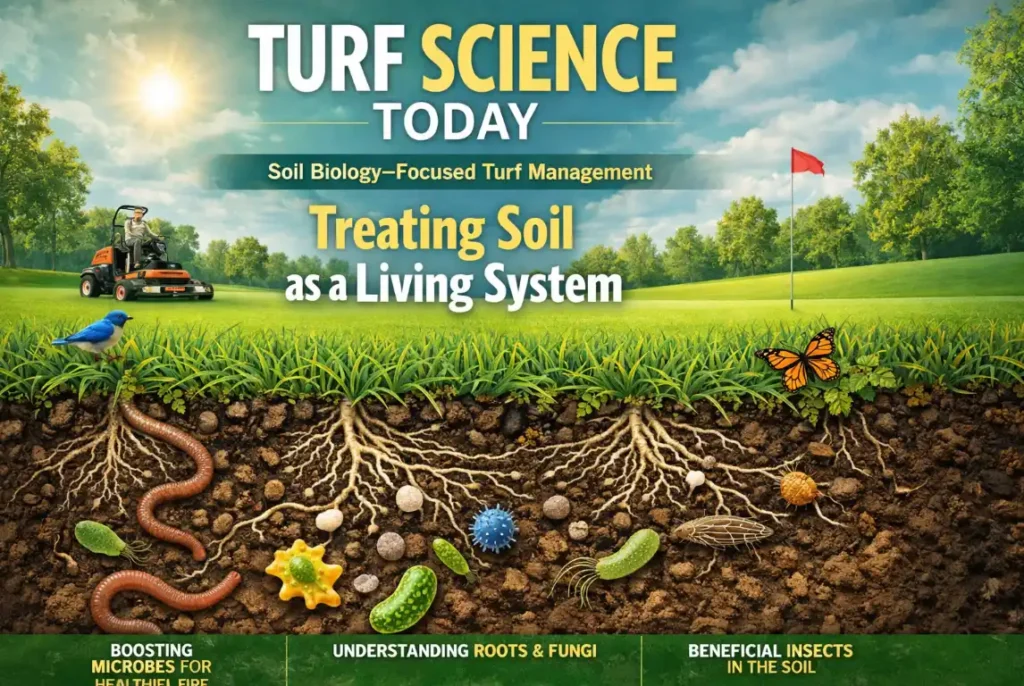
- Using biostimulants and soil health strategies to reduce dependence on synthetic regulators.
In summary: Primo Maxx can be part of a sustainable development vision for golf course management if used strategically, sparingly, and in combination with other eco-conscious practices. It is not the ultimate sustainable solution, but it is a useful tool on the journey toward greener, more responsible turf care.
Primo Maxx and the Balance with Sustainability
Primo Maxx remains one of the most effective plant growth regulators in turf management, helping greenkeepers reduce mowing, improve density, and strengthen turf under stress. While it is not organic, it can support sustainable goals when used responsibly. Finding the right balance is key: using Primo on greens, where the highest quality is required, and reducing applications on fairways or tees can deliver excellent playing surfaces while minimizing chemical inputs. Combined with less frequent mowing, this approach saves diesel, labor, and resources—proving that Primo can play a role in sustainable golf course management when integrated thoughtfully.
Sustainable Alternatives to Primo Maxx
While there is no direct natural replacement for trinexapac-ethyl, greenkeepers can explore alternatives such as:
Seaweed extracts, amino acids, and humic substances can help improve turf vigor without synthetic regulators (though they don’t replicate Primo’s exact effect).
Cultural practices:
Adjusting mowing heights.
Rolling greens to maintain smoothness instead of extra mowing.
Aeration and topdressing to improve turf density.
Grass species selection:
Fescues and velvet bentgrass naturally grow slower and may need less growth regulation.
Biostimulants:
Seaweed extracts, amino acids, and humic substances can help improve turf vigor without synthetic regulators (though they don’t replicate Primo’s exact effect).
Primo Maxx – Conclusion
Primo Maxx remains one of the most effective plant growth regulators in turf management, helping greenkeepers reduce mowing, improve density, and strengthen turf under stress. While it is not organic, it can support sustainable goals when used responsibly. Finding the right balance is key: using Primo on greens, where the highest quality is required, and reducing applications on fairways or tees can deliver excellent playing surfaces while minimizing chemical inputs. Combined with less frequent mowing, this approach saves diesel, labor, and resources—proving that Primo can play a role in sustainable golf course management when integrated thoughtfully. Remeber before use read carefully label and all specification link here

Head greenkeeper in Gothenburg, Sweden, working in the turf industry since 2018. Passionate about sustainable maintenance and new technologies, he focuses on innovative ways to improve turf quality while reducing environmental impact.
The founder of this independent platform, created to connect turf professionals and enthusiasts, share knowledge, and highlight the evolving role of greenkeepers worldwide.
When not on the course, he enjoys exploring golf destinations, writing about turf management, and engaging with the international greenkeeping community. A big fan of Swedish football — especially the Allsvenskan — and an enthusiastic Football Manager player. Beyond turf and football, a happy father and husband.