
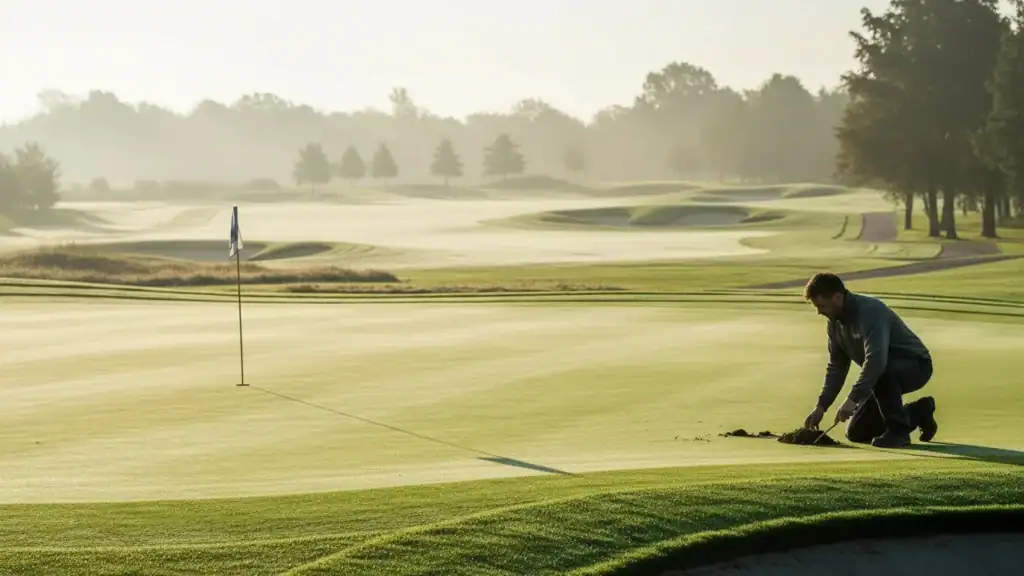
Starting out as a beginner greenkeeper is exciting, but it can also be overwhelming. Golf courses are complex, living systems, and every decision — from mowing to watering — affects the grass, the soil, and the playing experience. For beginners, small mistakes can quickly add up, but the good news is that they are all fixable with awareness, patience, and guidance.
Overwatering and Turf Stress
One of the most common mistakes beginners make is overwatering. Many new greenkeepers believe that more water always means healthier turf, but this is not true. Grass needs water, but it also needs oxygen. When soil stays too wet, roots struggle to breathe, shallow roots develop, and turf becomes weak and prone to disease.
The fix is simple: water deeply but less frequently, allowing roots to grow downwards and strengthening the plant’s natural resilience. Observing the soil and learning to feel moisture levels with your hands is a skill that grows with experience.
Incorrect Mowing Practices
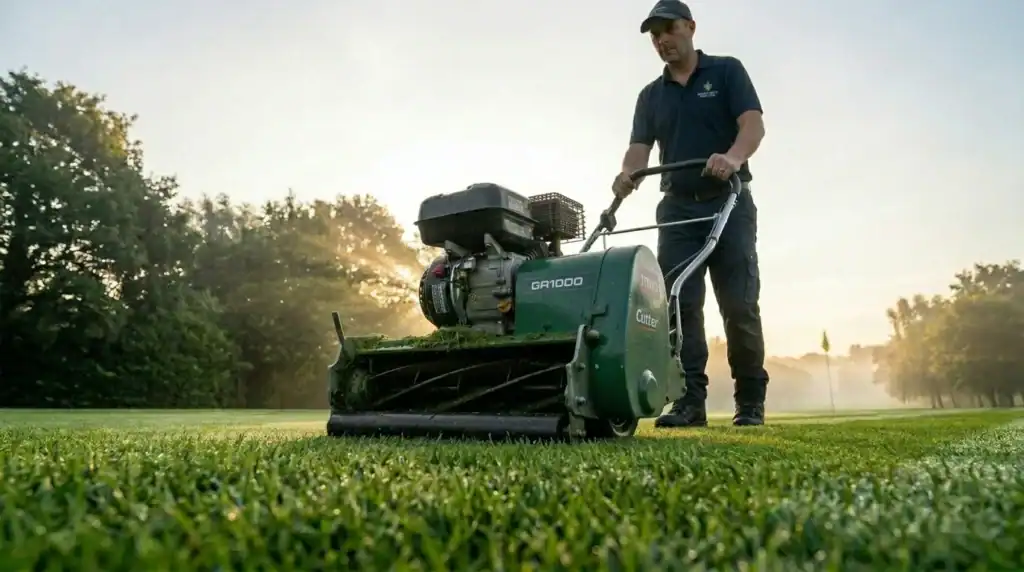
Another frequent error is mowing incorrectly. It may seem straightforward, but cutting turf too short or unevenly can stress the grass. Many beginners either lower the height too much to make the greens “perfect” or mow inconsistently, leaving patches that recover at different rates.
A practical approach is to follow the recommended mowing heights for the specific grass type, adjust gradually, and pay attention to the season. Remember, the grass is always growing, and small adjustments over time are better than drastic changes.
Neglecting Soil Health
Neglecting soil health is also a common trap. Soil is more than dirt; it’s a living ecosystem full of microorganisms that support root growth and nutrient uptake. Beginners sometimes focus only on visible grass without considering the soil below.
Testing soil regularly, adding organic matter when needed, and understanding pH balance are essential steps. Healthy soil leads to stronger, greener turf, which makes maintenance easier in the long run.
Ignoring Early Warning Signs
Ignoring small problems can turn into big ones quickly. For example, a tiny patch of moss or disease might seem minor at first, but it can spread if left unchecked. Beginner greenkeepers often hesitate to act, fearing they’ll make things worse.
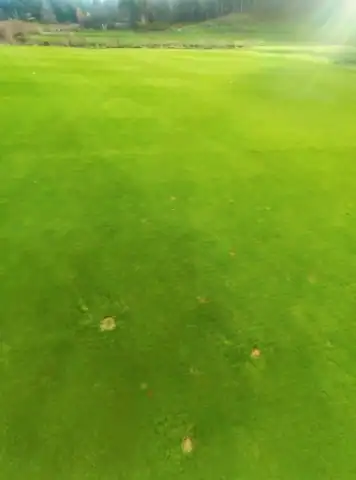
The best practice is to observe, identify, and respond early. Learn to recognize common turf diseases, pests, and weeds, and consult experienced colleagues or trusted resources when unsure. Prevention is always easier than correction.
Over-Reliance on Machinery
Relying solely on machinery is another pitfall. Modern greenkeeping involves many machines — mowers, aerators, sprayers — and while these tools are indispensable, they don’t replace understanding the turf itself. Beginners sometimes focus on operating equipment efficiently but overlook why they are performing the tasks.
For instance, aerating just because it’s scheduled without observing soil compaction or root health may not give the best results. Combining technical skill with observation and reasoning is key.
Lack of Teamwork and Communication
Many beginner greenkeepers also underestimate the importance of teamwork and communication. Golf course maintenance is rarely a solo job. Coordinating with colleagues, learning from experienced greenkeepers, and sharing observations ensures smoother operations.
You may also like

A simple tip is to always note changes you see on the course and share them. Even small insights about moisture, turf color, or wear patterns can help the team make better decisions.
Misuse of Fertilizers and Chemicals
Another area where mistakes happen is over-fertilizing or applying chemicals incorrectly. Beginners often want to “fix everything at once” by adding extra nutrients or spraying for pests too aggressively. This can harm the grass, soil, and even the environment.
The solution is to follow guidance, use measured applications, and understand the science behind turf nutrition and pest management. Learning gradually and asking questions is far safer than guessing.
Forgetting the Importance of Patience
Finally, many new greenkeepers forget that patience is part of the job. Grass doesn’t respond instantly to work, and improvement takes time. Trying to rush results or doing everything at once can create stress for both the turf and the greenkeeper.
Observing progress, keeping records, and trusting in proper care methods leads to long-term success and satisfaction.
Learning Through Experience
The good news is that mistakes are natural, and every experienced greenkeeper started with them. The key is to learn, adjust, and enjoy the process. Observing the grass, experimenting carefully, asking questions, and reflecting on results is how beginners become skilled professionals.
Each small success — a healthy green, a perfect fairway, a well-repaired tee — builds confidence and shows that good greenkeeping is both a science and an art.
Growing into a Skilled Greenkeeper
Being a greenkeeper means working with diverse climates, soil types, and grass species. But the principles remain the same: respect the turf, understand its needs, and combine knowledge with observation.
Avoiding common beginner mistakes will not only make the work more effective, but it will also make it more rewarding. With time, patience, and curiosity, beginners can grow into greenkeepers who care for courses with skill, pride, and passion, ensuring that golfers enjoy the best possible playing experience.
I live where turf meets tech, science meets sod, and tradition meets tomorrow.
A curious mind with a passion for the ground beneath the game, this space is dedicated to exploring the innovations, breakthroughs, and sustainable practices that are reshaping golf courses worldwide.
From the latest advancements in grass genetics to the most innovative course management tools, I will highlight the ideas that help the industry grow smarter, play wiser, and think long-term for the planet.
The mission is simple: connect the dots between the lab and the fairway, transforming complex science and cutting-edge tech into clear, compelling stories.
Together, let’s make every course better—one groundbreaking story at a time.


Luckely danish greenkeepers are so good educaded, they dont make these mistakes 😉
I beg to differ. Only people who do nothing make no mistakes. Few are willing to admit to them. 🙂
Luckily they are! 😊 But even the best educated greenkeepers were beginners once. This article is just a little reminder for all of us, no matter where we start!
Even well experienced greenkeepers makes mistakes sometimes. I know the best words for it “Shit happend” Of course well educated greenkeepers understand what we do and why we do