


Managing water on golf courses is both an art and a science. Greenkeepers face the challenge of providing enough moisture to maintain healthy, high-quality turf while also conserving resources. This is where smart irrigation comes in — using data, observation, and technology to guide water use more precisely. By understanding the main factors that influence turf water needs, golf course managers can strike the right balance between playability, sustainability, and cost efficiency.
Efficient irrigation is one of the most important aspects of greenkeeping. Applying the right amount of water at the right time not only keeps turf healthy but also helps reduce waste and environmental impact. Several key factors influence how much irrigation a golf course requires:
Soil Moisture Content
Knowing the actual water content in the soil is essential. Irrigation should be measured in millimeters rather than minutes, ensuring that water applications align with the turf’s real needs.
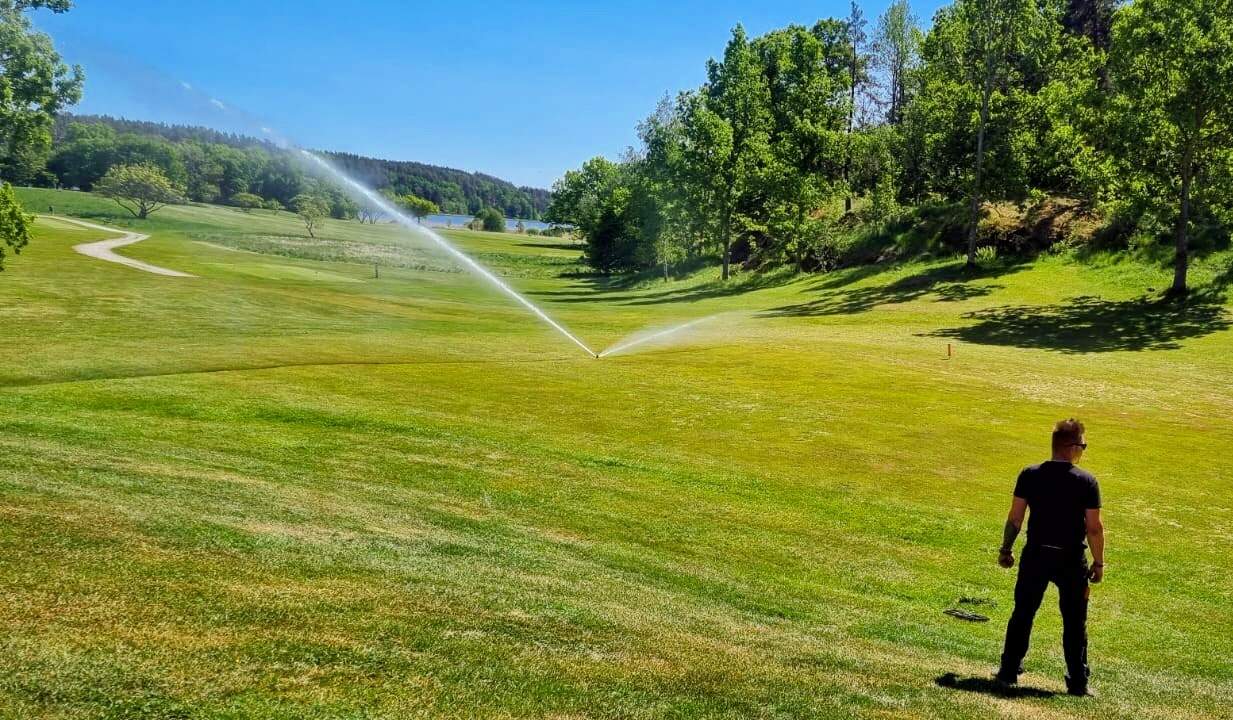
Turfgrass Water Use
Different turfgrass species consume water at different rates depending on root depth, exposure, and overall health. Turf in sunny, windy areas generally requires more water than shaded turf.
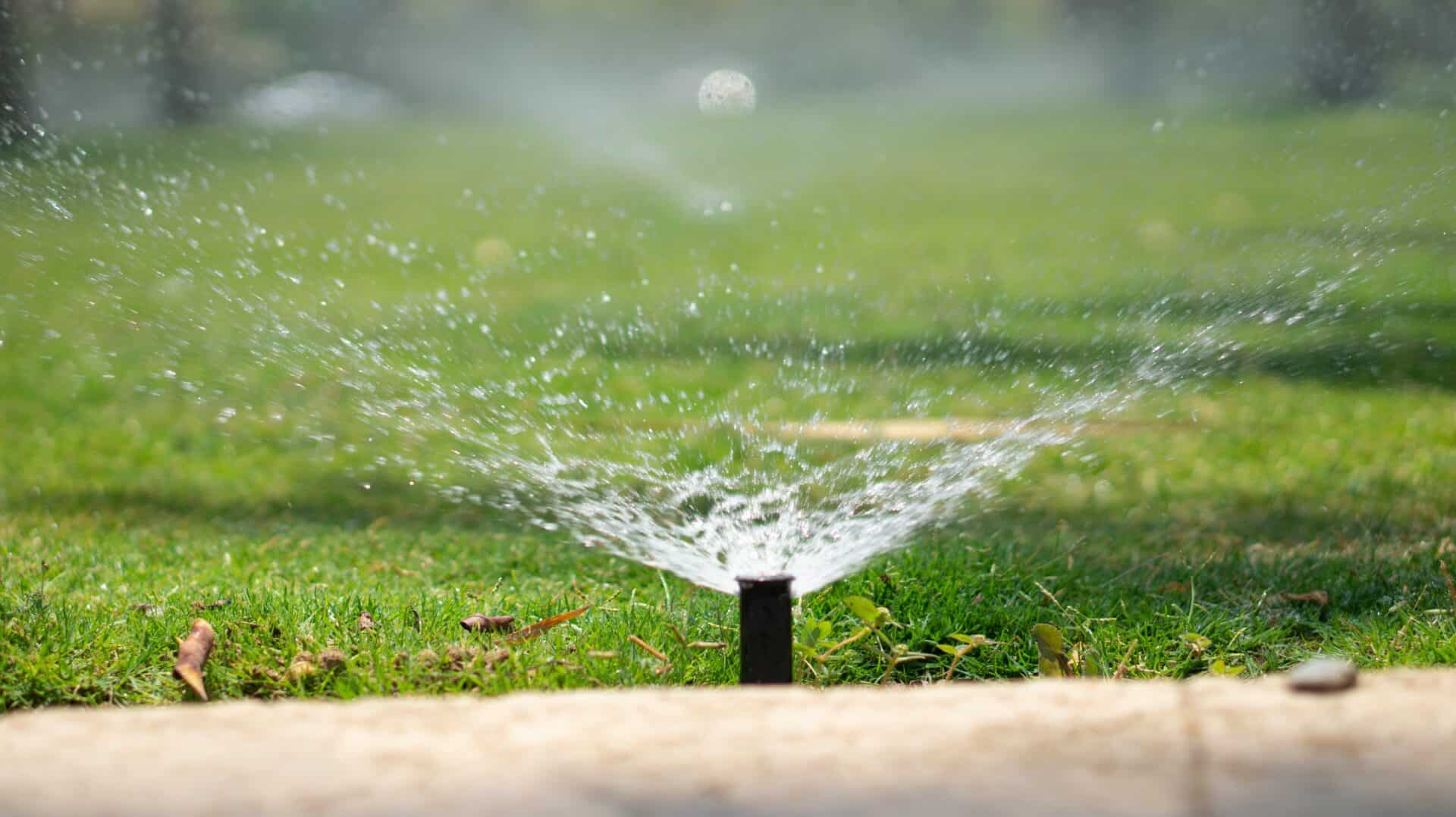
Irrigation Frequency and Techniques
When and how irrigation is applied has a major impact on water use. For example, deficit irrigation strategies can reduce overall consumption while still maintaining good playing quality
Irrigation System Uniformity
An irrigation system must deliver water evenly. Poor distribution caused by uneven pressure or sprinkler spacing can result in dry spots in some areas and excess water in others.
Soil Type
The soil’s water-holding capacity determines how much irrigation is necessary. Sandy soils, for example, drain quickly and are prone to dry patches, requiring more precise scheduling.
Weather Conditions
Local climate patterns and rainfall directly affect irrigation needs. Ongoing monitoring allows adjustments to avoid both under- and over-watering.
Plant Health and Density
Healthier and denser turf can use water more efficiently, while weaker turf may need adjustments in irrigation to avoid stress.
By taking these factors into account, golf course managers can create irrigation programs that support strong, resilient turf while minimizing water waste and protecting natural resources.
Conclusion
Irrigation is never a one-size-fits-all process. Every golf course has its own combination of soil, turfgrass species, weather patterns, and system performance. By applying the principles of smart irrigation — from monitoring soil moisture to adjusting schedules based on turf water demand — greenkeepers can improve turf health while reducing waste.
At the same time, reducing water consumption is no longer just a best practice — it’s a necessity. Government and municipal regulations are increasingly limiting water use, and we must remember that natural sources are not unlimited. The responsibility lies with us to save as much water as possible, and smart irrigation is one of the essential solutions to achieve that goal.
What about you? How do you approach irrigation challenges on your course? Share your thoughts and experiences in the comments below — your insights could help other greenkeepers make better water management decisions.

Head greenkeeper in Gothenburg, Sweden, working in the turf industry since 2018. Passionate about sustainable maintenance and new technologies, he focuses on innovative ways to improve turf quality while reducing environmental impact.
You may also like


The founder of this independent platform, created to connect turf professionals and enthusiasts, share knowledge, and highlight the evolving role of greenkeepers worldwide.
When not on the course, he enjoys exploring golf destinations, writing about turf management, and engaging with the international greenkeeping community. A big fan of Swedish football — especially the Allsvenskan — and an enthusiastic Football Manager player. Beyond turf and football, a happy father and husband.