5 Best Greenkeeping Books Every Greenkeeper Should Read

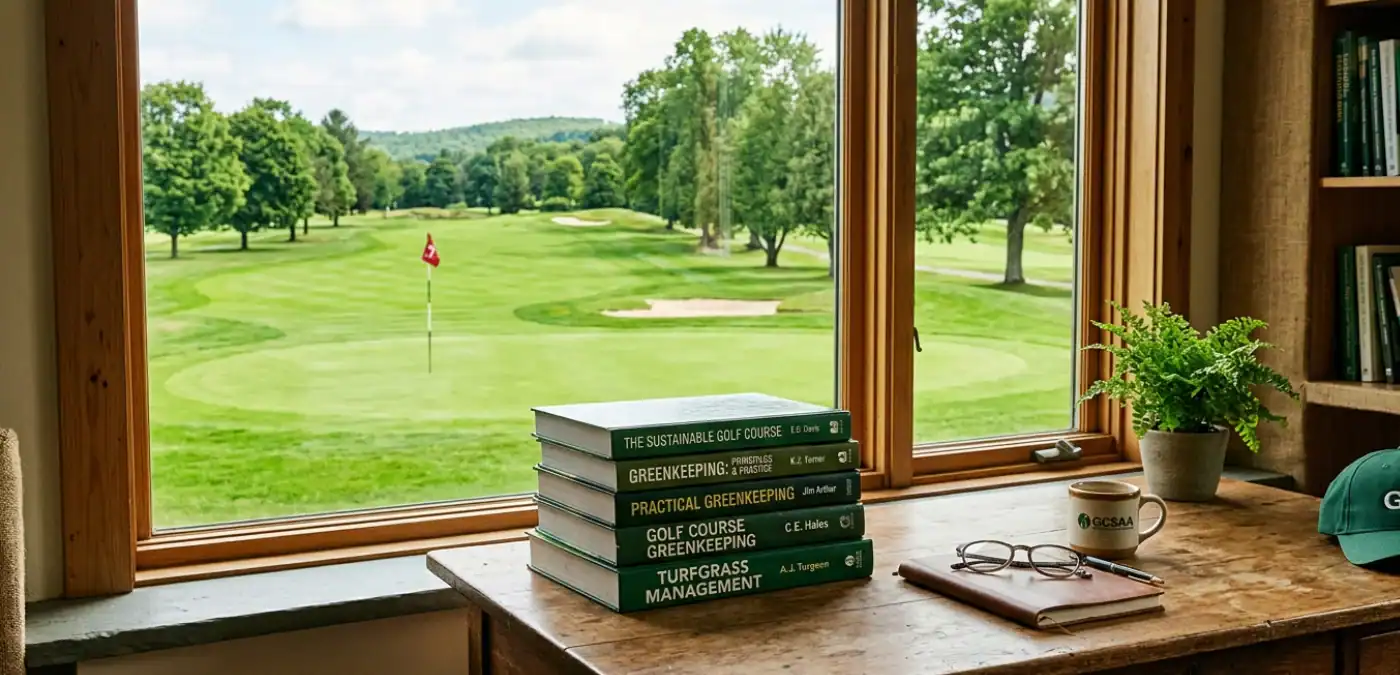
Greenkeeping books can teach us far more than how to mow greens, apply fertiliser or maintain a golf course. The right book can change how we understand turfgrass, approach problems and develop our careers.
For me, one of those greenkeeping books was Practical Golf Course Maintenance: The Magic of Greenkeeping by Gordon Witteveen and Michael Bavier. It was the first greenkeeping book I ever read, and it played an important role in starting my journey into the profession.
What makes a book valuable is whether its knowledge helps you become a better greenkeeper. Today, greenkeeping involves soil science, plant physiology, irrigation, fertilisation, disease management, budgeting, leadership and communication.
Table of Contents
Here are five greenkeeping books for beginners, experienced professionals and golf course managers.
Why Reading Greenkeeping Books Still Matters
Experience is one of the greatest teachers in greenkeeping, but experience alone does not always explain why something happens. A greenkeeper may notice turf weakening after aggressive maintenance in cold weather. Plant physiology helps explain why recovery slows when temperatures limit growth.
Knowing how to operate irrigation is important; understanding soil-water relationships, infiltration and rootzones allows better decisions. The best books connect science with practical experience and give us confidence to question established routines.
1. Practical Golf Course Maintenance: The Magic of Greenkeeping
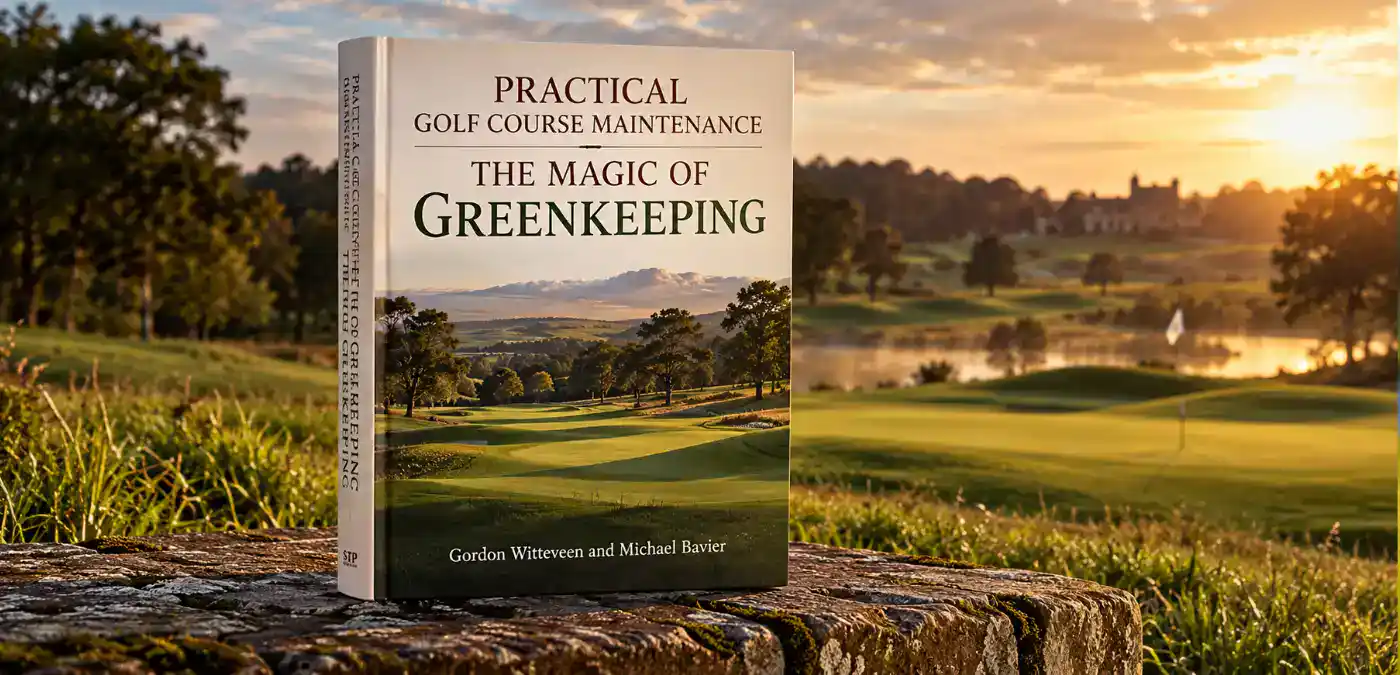
Authors: Gordon Witteveen and Michael Bavier. Originally published in 1998; second edition 2005. Best for: beginners and practical golf course maintenance.
The Book That Started My Greenkeeping Journey
Some books provide useful information. Others stay with you because they influence your career. For me, The Magic of Greenkeeping belongs in the second category. It was my first greenkeeping book, and it introduced me to the wider world of golf course maintenance. It showed me that greenkeeping is not simply completing daily tasks but understanding how they contribute to the condition and presentation of a course.
The book approaches golf course maintenance from a practical perspective and addresses mowing, topdressing, aeration, bunkers, irrigation and everyday operations. Its strength is connecting tasks to their intended results.
You may also like

Is It Still Relevant?
Yes, with an important qualification: equipment, chemical regulations and environmental practices have changed considerably. Older technical recommendations should be checked against current research and local rules. Yet the principles of observation, planning and consistent maintenance remain valuable.
My recommendation: a strong introduction for someone entering greenkeeping, and a book that has special personal meaning for me.
2. Practical Golf Course Maintenance: The Art of Greenkeeping, 4th Edition
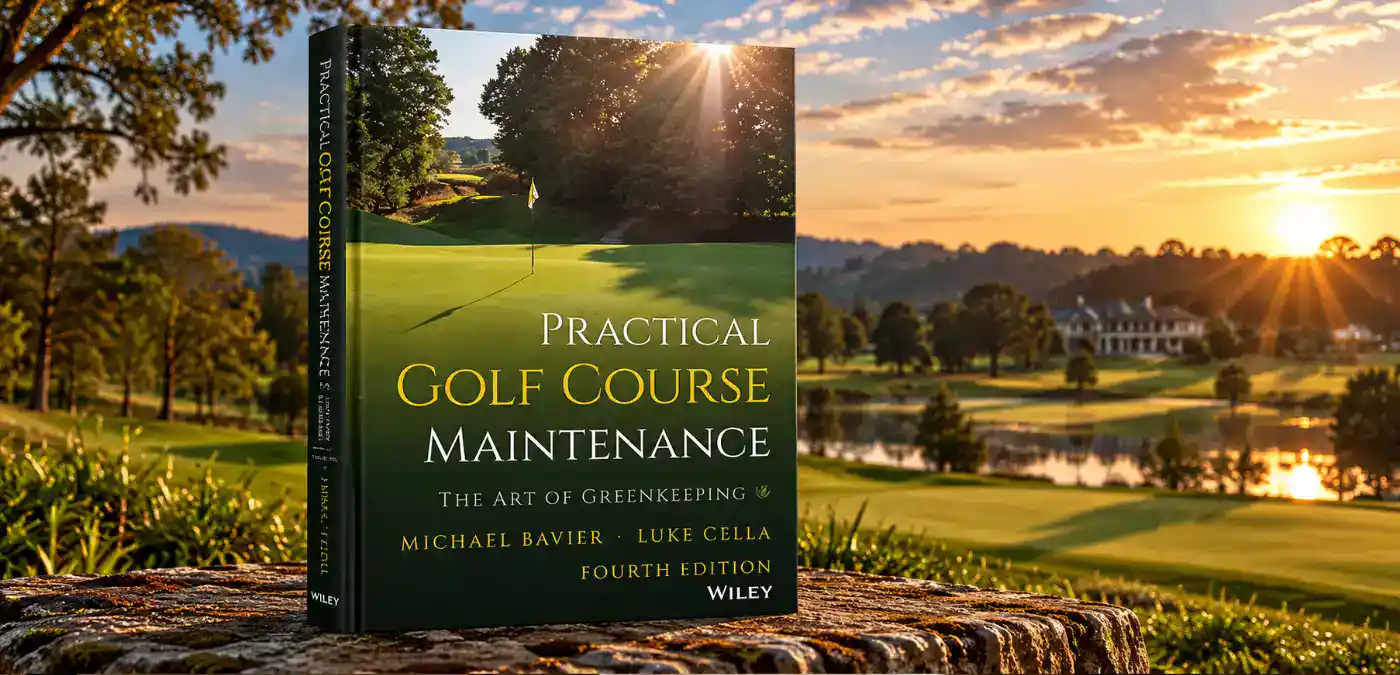
Authors: Michael Bavier and Luke Cella. Published 2022 by Wiley. Best for: greenkeepers, supervisors, Head Greenkeepers and course managers.
A Modern Approach to Practical Greenkeeping
This book is related to The Magic of Greenkeeping but is not identical. Michael Bavier, co-author of the earlier work, collaborated with Luke Cella on the fourth edition. It continues the practical maintenance tradition while giving substantial attention to organisational responsibilities.
It covers greens, tees, fairways, rough, bunkers, irrigation, fertilisers, topdressing, aeration, spraying and drainage, as well as budgeting, managing people, job descriptions, maintenance facilities and communication.
Why Management Knowledge Matters
A Head Greenkeeper must prepare budgets, justify equipment purchases, supervise staff and explain maintenance decisions to club management. Sometimes the hardest part is not knowing what needs to be done but explaining why, what it costs and what happens if it is postponed.
Aeration may be essential for healthy putting greens, while golfers and management see short-term disruption. Good communication connects both perspectives.
My recommendation: if you own The Magic of Greenkeeping, the fourth edition is still worth considering for its later and broader perspective. Publisher: https://www.wiley-vch.de/de/fachgebiete/ingenieurwesen/practical-golf-course-maintenance-978-1-119-82334-6
3. Fundamentals of Turfgrass Management — Nick Christians and Co-authors
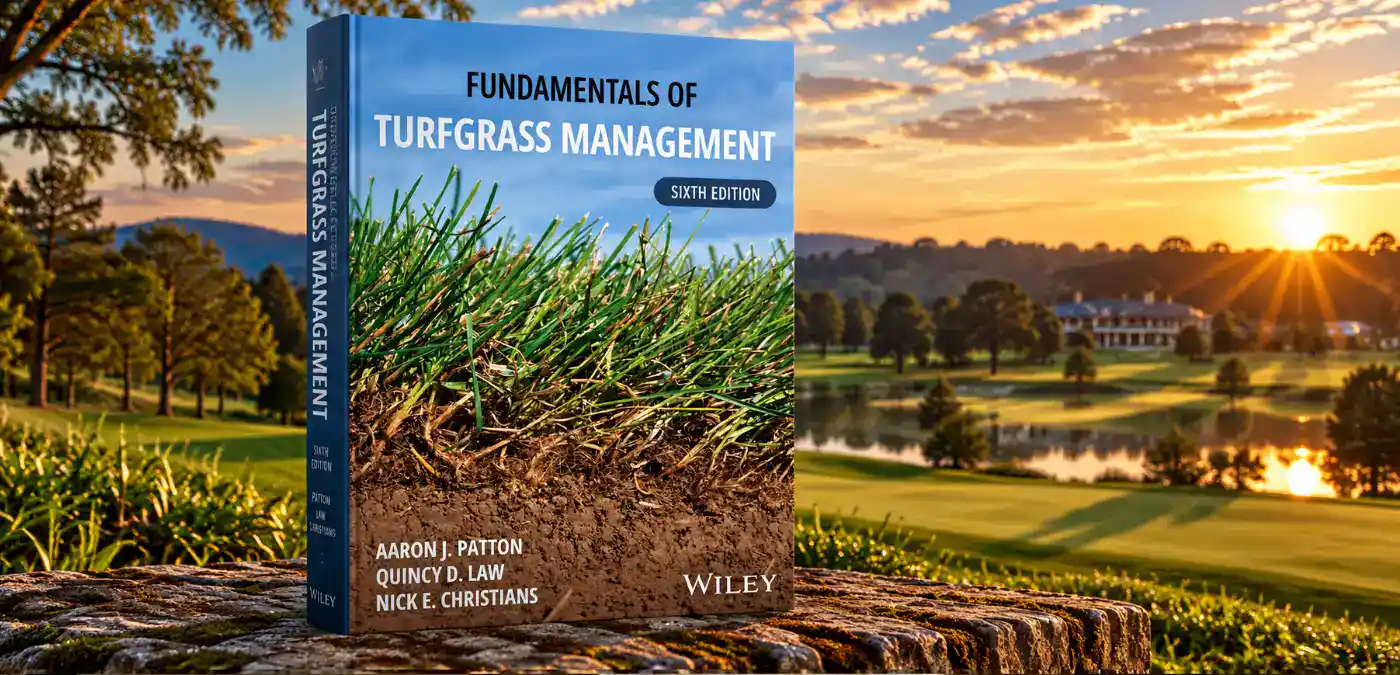
Authors: Nick Christians, Ashton Ritchie and Matt Elmore. Best for: turfgrass students, assistant greenkeepers and professionals developing agronomic knowledge.
Understanding the Science Behind Healthy Turf
Practical manuals explain what happens on a golf course. A turfgrass science textbook helps explain why. Fundamentals of Turfgrass Management introduces turfgrass identification, plant growth, soil characteristics, establishment, nutrition, irrigation, cultural practices and environmental stresses.
Consider fertilisation: nitrogen may improve growth and colour, but response depends on temperature, species and growing conditions. Lower mowing heights may improve putting speed but reduce photosynthetic leaf area and increase stress. Understanding the science helps balance playing quality with long-term plant health.
My recommendation: a valuable companion to formal turfgrass education and a way to move beyond following standard maintenance programmes.
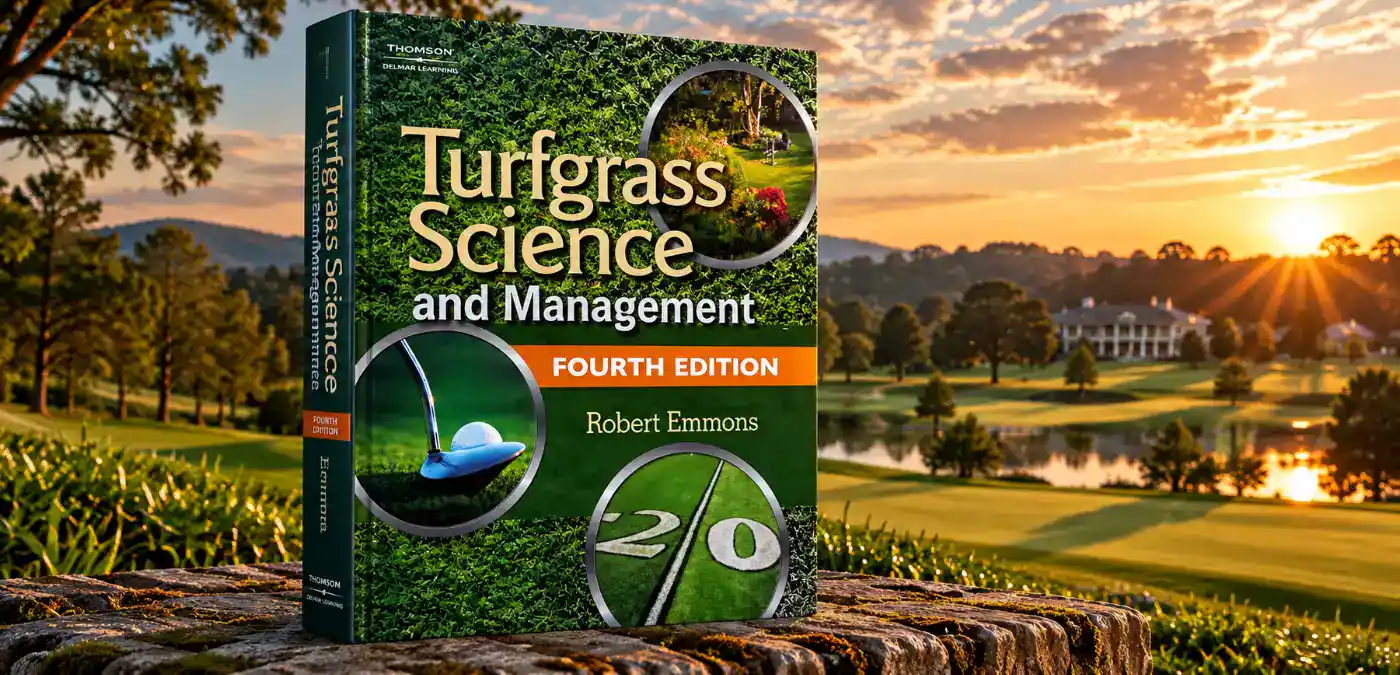
4. Turfgrass Science and Management — Robert Emmons

Author: Robert Emmons. Best for: greenkeepers interested in agronomy, soils and professional education.
Building a Strong Agronomic Foundation
Although not exclusively about golf, Turfgrass Science and Management provides principles relevant to greens, tees, fairways and other managed turf. Soil, water, nutrients, plant growth and environmental conditions interact; no maintenance operation exists in isolation.
A sand-based green behaves differently from an older soil-based green. A wet surface may indicate poor drainage, compaction, rootzone limitations or organic matter, not merely excessive irrigation. A recurring weak area might involve shade, traffic, rooting or several causes at once.
My recommendation: useful for developing systematic diagnostic thinking, supplemented with current research where editions are older.
You may also like
5. Turfgrass Management — A. J. Turgeon
Author: A. J. Turgeon. Best for: experienced greenkeepers, students and course managers seeking a comprehensive technical reference.
From Following Instructions to Making Decisions
Turfgrass Management connects growth, species selection, establishment, soils, nutrition, irrigation, mowing, pest management and environmental influences.
One important career transition is moving from carrying out instructions to making independent decisions. Why aerate? What problem are we solving? Is the timing right? How will the work affect playing conditions? Are alternatives available?
Technical references help professionals evaluate these questions rather than rely on habit alone.
My recommendation: a comprehensive reference for developing deeper turfgrass-management judgement.
Comparing the 5 Best Greenkeeping Books
The Magic of Greenkeeping — practical maintenance fundamentals — beginners.
The Art of Greenkeeping, 4th Edition — maintenance and course management — supervisors and Head Greenkeepers.
Fundamentals of Turfgrass Management — turfgrass science — students and developing professionals.
Turfgrass Science and Management — agronomy and soil science — technically focused greenkeepers.
Turfgrass Management — comprehensive turf management — experienced professionals.
Of course you can read all these greenkeeping books.
Which Greenkeeping Book Should You Read First?
For a complete beginner, I would start with The Magic of Greenkeeping or the later The Art of Greenkeeping. If studying for a turfgrass qualification, Fundamentals of Turfgrass Management offers structured science. For experienced greenkeepers, Turfgrass Management and Turfgrass Science and Management provide deeper technical reading. Aspiring Head Greenkeepers should pay attention to the management chapters in The Art of Greenkeeping.
The best choice is not necessarily the most advanced book. It is the one that answers the questions you face now.
How to Build Your Own Greenkeeping Library
You do not need dozens of textbooks. Start with a practical manual and add a turfgrass science book as your knowledge develops. Later, consider specialist references on soils, irrigation, diseases, machinery and leadership.
Books are not the only source of knowledge: turfgrass research evolves, and guidance on fertilisers, pesticides, water and environmental practices changes. Universities, professional associations and publications help keep knowledge current.
At Greenkeeping Insight, our aim is to make practical experience, technical knowledge and industry developments accessible to greenkeeping professionals.
Frequently Asked Questions About Greenkeeping Books
What is the best greenkeeping book for beginners?
The Magic of Greenkeeping is a strong practical starting point. The more recent Art of Greenkeeping, fourth edition, is another good choice.
Are older greenkeeping books still worth reading?
Yes, for enduring principles, but always verify dated recommendations about pesticides, machinery, irrigation technology and regulations.
Do I need turfgrass science to become a greenkeeper?
Formal education is not always required to enter the profession, but scientific understanding becomes increasingly useful as responsibilities grow.
What books should an aspiring Head Greenkeeper read?
Combine practical maintenance, turfgrass science and management literature. The Art of Greenkeeping is particularly relevant for budgeting, staff management and communication.
Can books replace practical experience?
No. The strongest professional development combines both.
Final Thoughts: The Best Greenkeepers Never Stop Learning
Looking back, I still remember the importance of reading The Magic of Greenkeeping for the first time. It helped me discover a profession built on continuous learning, responsibility and problem-solving.
You may also like


Years later, I believe curiosity is one of the most important qualities a greenkeeper can have. There is always more to understand about turfgrass biology, soils, irrigation, machinery and people.
You do not need to read all five greenkeeping books immediately. Start with the one that interests you most.
What was the first greenkeeping book you read? Did it influence your career? Share your recommendation in the comments. Your favourite book might inspire another greenkeeper. Maybe you read all suggested greenkeeping books.