

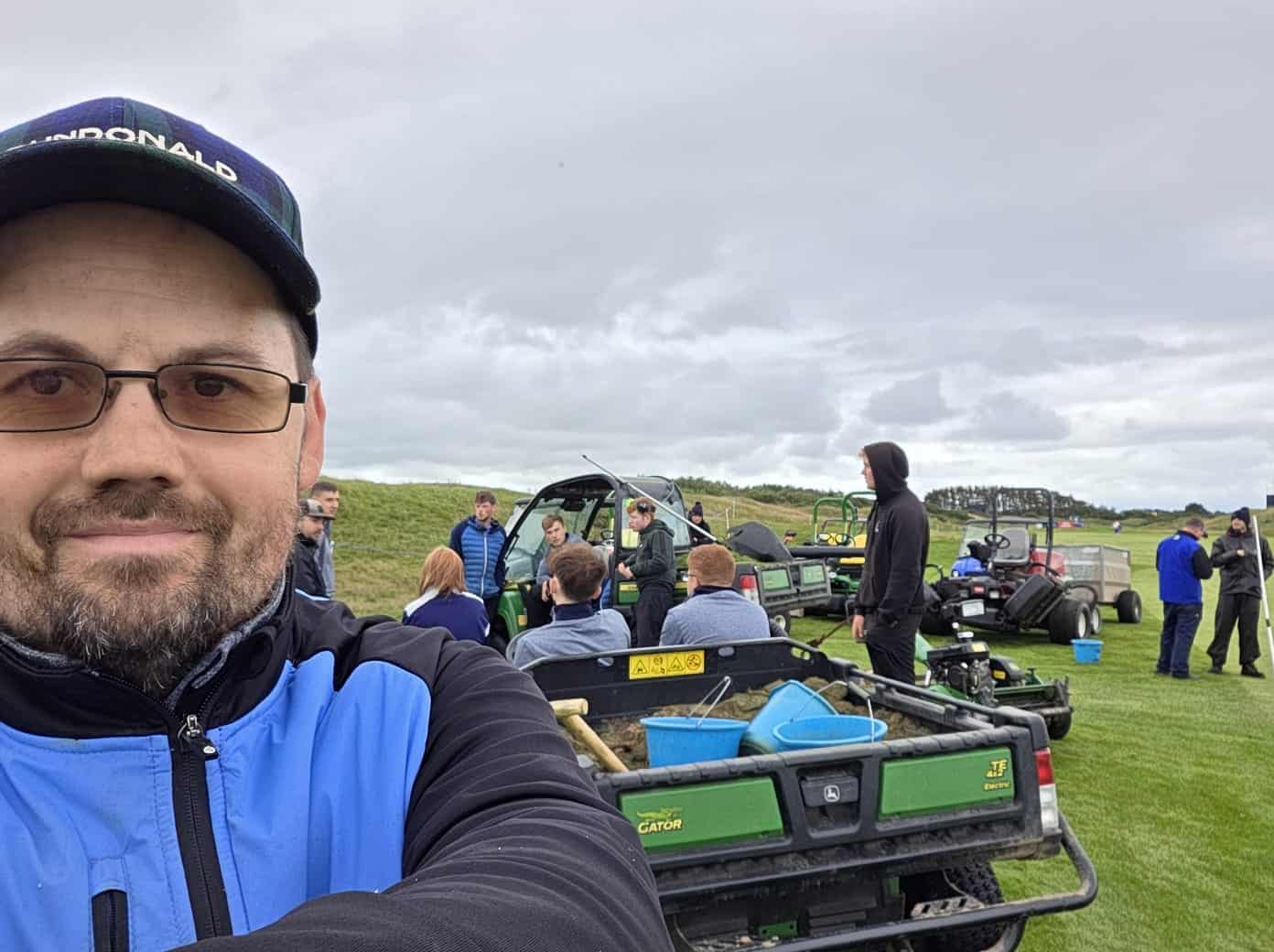
The 2025 ISPS HANDA Women’s Scottish Open at Dundonald Links was my first tournament as a greenkeeper. I had previously attended tournaments as a volunteer, helping with scoring and seeing events from outside the ropes. But this time, I stood on the other side — part of the team responsible for the playing surfaces. It was a completely different experience.
The 2025 ISPS HANDA Women’s Scottish Open – Tournament History
The Women’s Scottish Open was first played in 1986, although it did not become a regular fixture on the calendar until 2010. A major step forward came in 2017, when the tournament expanded from a 54-hole event to a full 72-hole championship. In the same year, it became co-sanctioned by the LPGA Tour and the Ladies European Tour (LET), significantly increasing its international profile and making it one of the most important events in women’s golf.
The tournament rotates between some of Scotland’s finest links venues, including The Renaissance Club, Gullane Golf Club, and Dumbarnie Links — which opened in 2020 and quickly became a host venue. In recent years, Dundonald Links has established itself as one of the regular and trusted hosts of the championship.
The Course – Dundonald Links
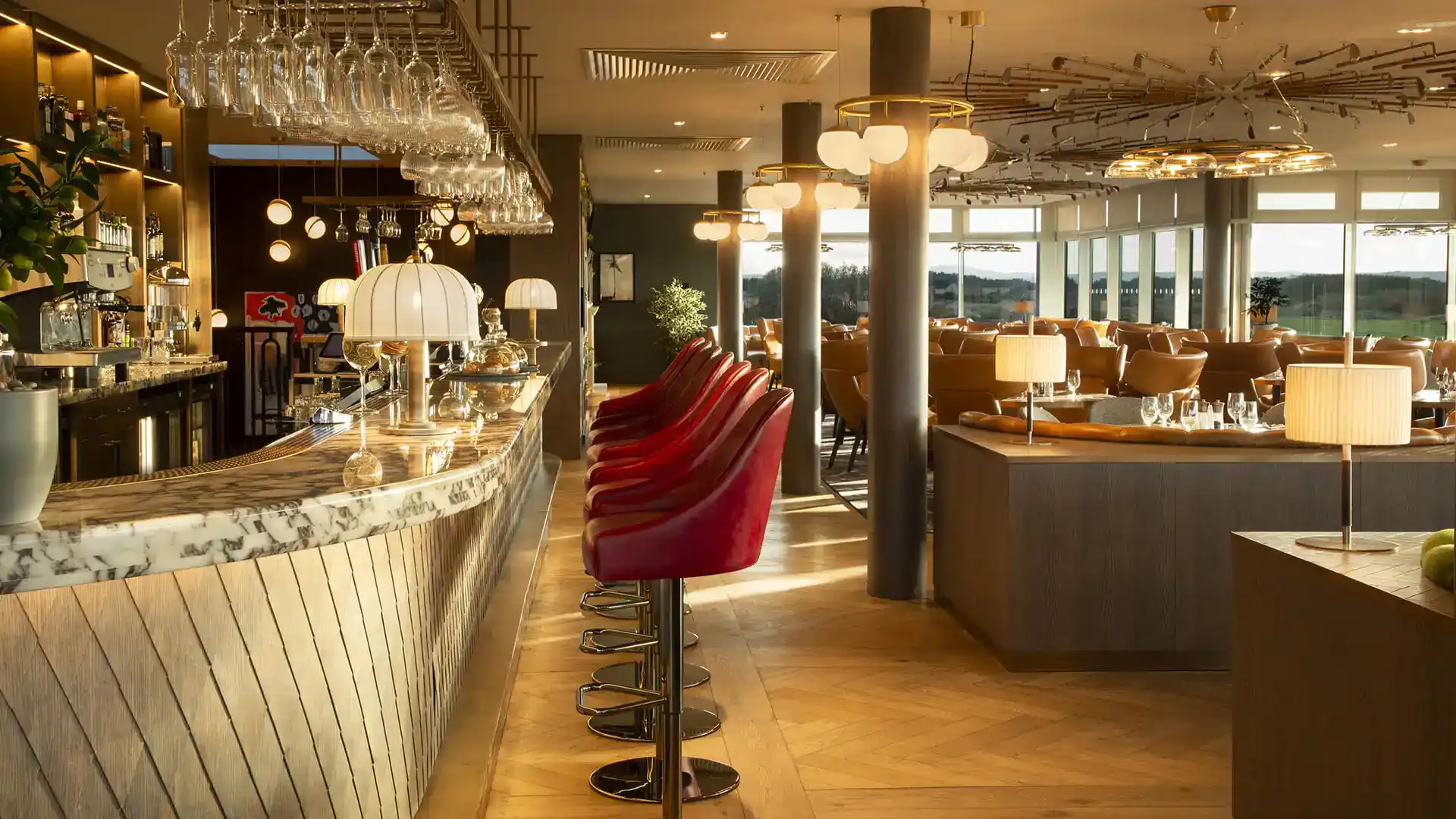
Dundonald Links has earned a reputation as a “must-play” destination and a proven tournament venue. The par-72 course, located in the heart of Ayrshire, offers a classic links golf experience shaped by natural terrain and coastal conditions. Generous fairways, strategically positioned bunkers, undulating greens, and multiple tee options provide both challenge and flexibility for championship setup.
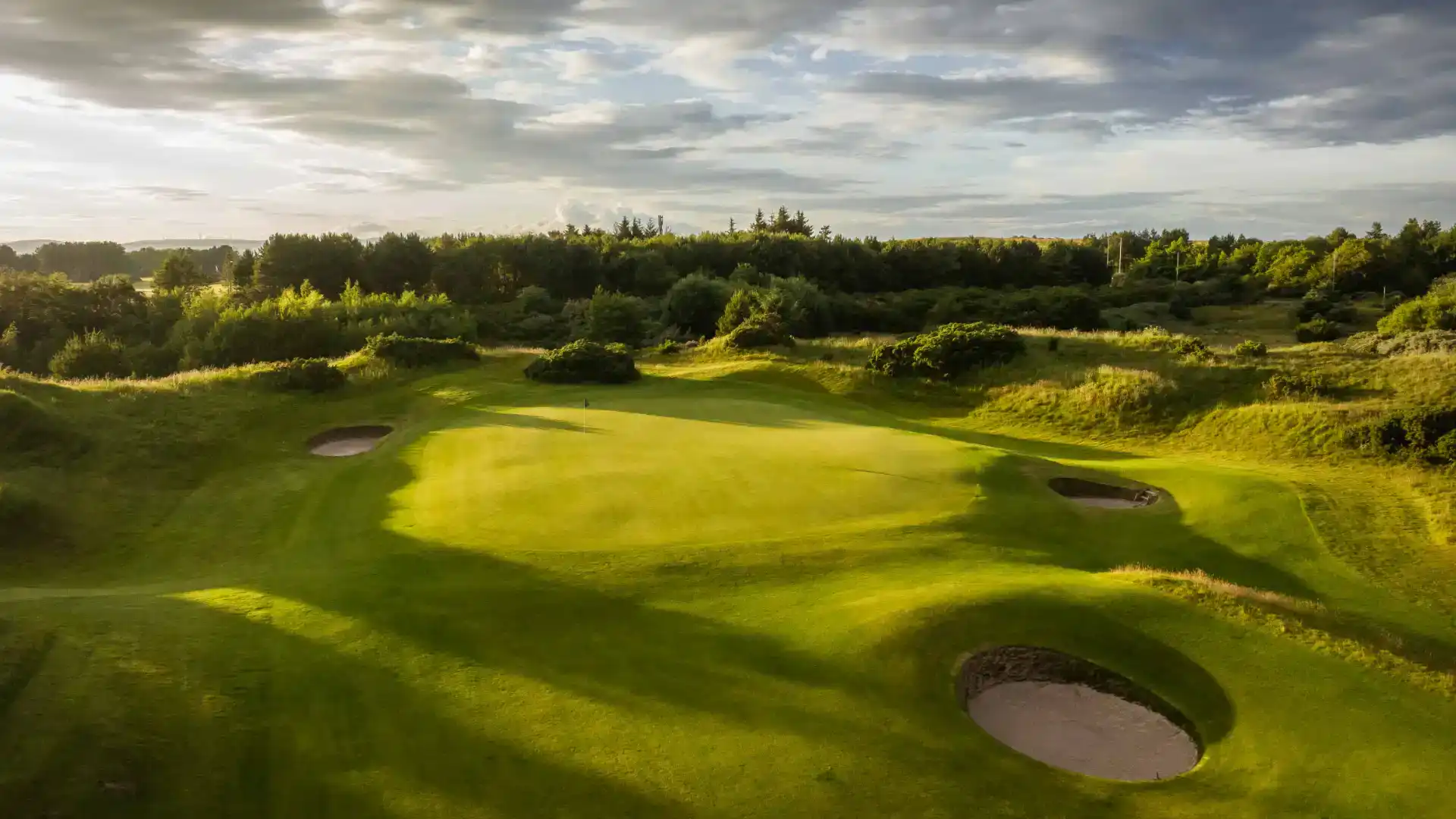
In 2021, luxury on-site accommodation was opened, further strengthening Dundonald Links as a complete golf destination capable of hosting elite tournaments while delivering a high-quality visitor experience.
A Championship of Growing Importance
The ISPS HANDA Women’s Scottish Open has become one of the most important events in women’s professional golf. First played in 1986, it became a regular fixture in 2010. In 2017, the tournament expanded from 54 to 72 holes and became co-sanctioned by the LPGA Tour and the Ladies European Tour, increasing its global prestige.
Knowing I was contributing to an event of this level made the experience even more special.
Dundonald Links – Nature as the Main Architect
Dundonald Links, located in Ayrshire, is a modern links course built in traditional style. It is a par-72 layout with generous fairways, natural dunes, and undulating greens. Like most true links courses, it relies heavily on natural terrain rather than artificial shaping. The wind and weather are not obstacles — they are part of the design.
Living and working in Scotland teaches you quickly that weather changes from minute to minute. On links courses especially, wind and rain are constant factors. As we often say: there is no bad weather, only a badly dressed golfer or greenkeeper.
First Impressions of Tournament Week
From the moment tournament week began, I could see the difference between everyday course maintenance and championship preparation.
Everything was perfectly organized. Each morning, tasks were clearly assigned before we went out onto the course together. Timing was critical — everything had to be completed before the first players teed off.
You may also like
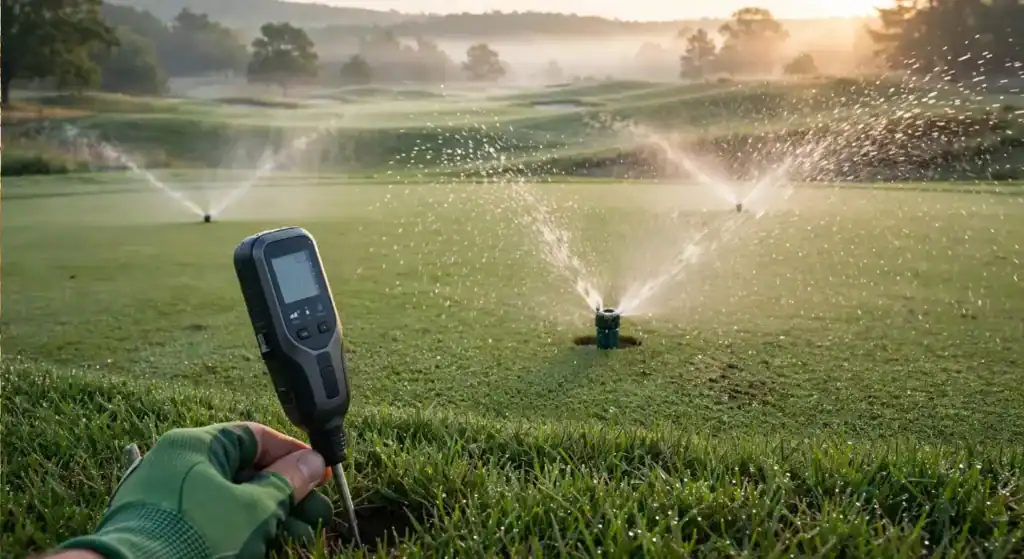

The level of consistency and precision required was much higher than normal daily preparation. Small details suddenly became very important.
Working as One Team
One of the most impressive aspects of the week was the teamwork.
I had the opportunity to be part of a large team of local greenkeepers. We worked as one unit, each person understanding their role and responsibility. Communication was clear and efficient.
This experience made me realize how much I still have to learn. Tournament preparation at this level is more complex than classic daily maintenance. It requires experience, knowledge, and strong cooperation between team members.
My Role on Tournament as a Greenkeeper: Divoting
During the tournament, I was assigned to the divoting team.
When a golf swing is properly executed, the club hits the ball first and then removes a piece of turf — a divot. Our responsibility was to repair these areas quickly and precisely, filling and leveling them so that the surface remained consistent for the players.
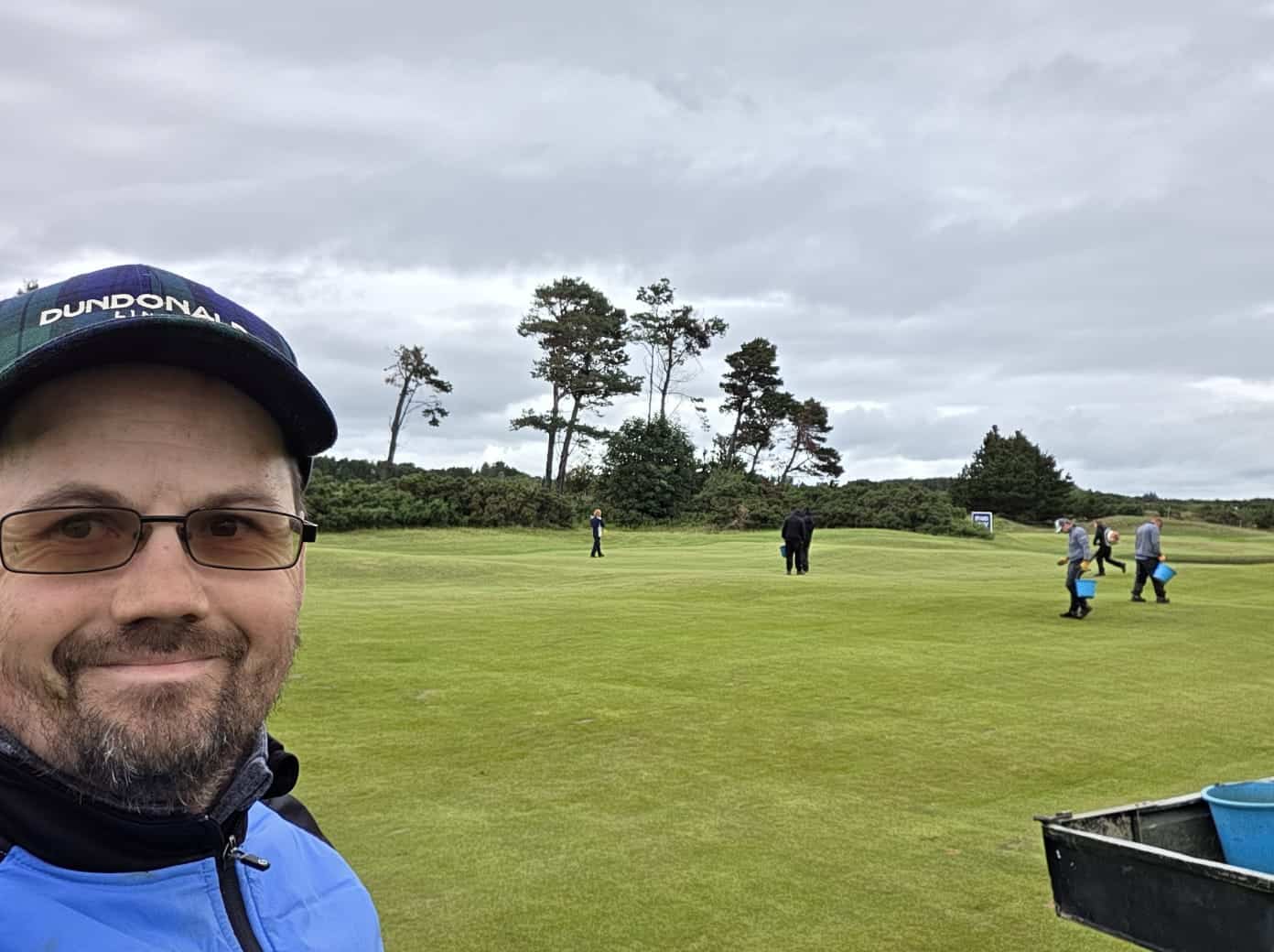
The work required focus and attention to detail. Every repair mattered.
Was there extra pressure knowing professional players would compete on surfaces I helped prepare? In my personal opinion, probably not. These players are trained to deal with both internal and external pressures. Small imperfections are part of the game. My responsibility was simply to do my job as well as possible.
Watching professionals play on the course I helped maintain was a proud moment. It warmed my heart to know that I had contributed. In greenkeeping, the result of your work is often visible almost immediately.
Links Golf Under Tournament Conditions
Preparing a links course for championship play presents unique challenges. Wind, rain, and sometimes strong sun all influence playing conditions. Tees may be repositioned or extended due to modern equipment distances. Spectator infrastructure must be carefully installed to protect playing surfaces.
For me, the areas requiring the most attention were the greens and bunkers. If water hazards are present, accurate marking is also essential. Everything must be prepared with precision and safety in mind.
Links courses are special because they were shaped primarily by nature. Human intervention is minimal compared to parkland designs. That natural character makes preparation both beautiful and demanding.
Atmosphere and Player Interaction
Having previously volunteered at tournaments, I was already familiar with the atmosphere. But being part of the greenkeeping team allowed me to experience it from a completely different perspective.
I had the opportunity to speak with both Czech and international players. Many praised the course, facilities, and overall organization. Hearing that feedback was rewarding.
Was there one moment when I thought, “Wow, I am really part of this”? It is difficult to choose just one. Every day brought new experiences. Since this was my second foreign tournament — my first was in Morocco — I was able to appreciate the event even more.
What I Learned
The biggest lesson I took from this experience is that I still have much to learn. Tournament preparation at this level requires knowledge, discipline, and teamwork.
You may also like


I returned to my daily work with greater focus and a stronger understanding of the importance of being a true team player.
Would I like to work on more tournaments? Absolutely. Every event of this type brings new knowledge and experience. In the future, I would love to be part of the preparation team for major events such as the Solheim Cup or even the Ryder Cup.
Final Thoughts
My first tournament as a greenkeeper cannot be fully expressed in words. It was demanding, educational, and deeply satisfying. Taking part in a professional tournament as a greenkeeper was an unforgettable milestone in my career.. It showed me the true scale, precision, and teamwork required at championship level, and it reminded me how much there is still to learn in this profession. Being part of the preparation for an international event like the ISPS HANDA Women’s Scottish Open gave me pride, motivation, and a deeper respect for tournament course conditioning. Experiences like this not only improve your technical skills — they strengthen your passion for greenkeeping.
To any greenkeeper considering volunteering at a professional event, my advice is simple:
Go for it.

Pingback: Greenkeeper Tournament Experience at Hassan 2 Golf Trophy