

In the world of greenkeeping, success is never just about mowing patterns or soil tests — it’s about people. A head greenkeeper leads a team that turns vision into reality, day after day, in every kind of weather. To achieve excellence, one must balance two equally important roles: leader and supervisor.
I remember when I spoke with Dean Cleaver, one of my mentors and then President of FEGGA, during his visit to my golf course. I was a fresh head greenkeeper, new in the role and full of enthusiasm. He told me something I’ll never forget:
“What’s hardest in your job now is leading and supervising people.”
In big companies, he said, you have flight managers to handle people — but here, you do both. You lead, you motivate, you correct. And that’s the real challenge.
The two faces of the job: leader vs. supervisor
A leader inspires. They create purpose, energy, and pride. They make every team member feel that their work matters — that every green cut, every bunker raked, and every detail contributes to something greater: a golf course that players remember and respect.
A supervisor, on the other hand, brings structure and discipline. They plan the day, organize resources, ensure safety, and maintain standards. They keep the course, and the team, running smoothly when the pressure is high and time is short.
The real art lies in combining both. Motivation alone cannot replace direction, and supervision without inspiration leads nowhere. A great head greenkeeper knows when to lead with vision and when to supervise with precision.
Motivation vs. supervision: getting the balance right
Let’s be honest — there’s no perfect recipe. People are different. Some are naturally motivated, others less so. Every head greenkeeper has met that one person sitting with folded arms and a face saying, “Go on then, motivate me.” You could dance, juggle, or stand on your hands clapping your ears — and still, nothing would change.
And that’s fine. Leadership isn’t about performing miracles for everyone. It’s about creating an environment where most people want to give their best, and even the tough ones at least respect the direction you set.
When balance, respect, and purpose come together, a team doesn’t just maintain turf. It grows pride, responsibility, and excellence.
When Motivation Reduces the Need for Supervision
A well-motivated person often needs far less supervision because their internal drive pushes them to deliver high-quality work on their own.
A motivated employee:
- Understands the goal and wants to achieve it.
- Takes ownership and acts responsibly without constant reminders.
- Seeks feedback voluntarily to improve.
- Solves problems proactively.
In this case, supervision shifts from control to support. You’re not checking if they work — you’re helping them work better.
Why Supervision Still Matters
Even top performers need:
- Clear direction – to align effort with priorities.
- Feedback – to refine skills and prevent blind spots.
- Resources and coordination – because individual motivation doesn’t replace teamwork.
- Boundaries and standards – to maintain consistency and fairness.
Without light but steady supervision, even motivated people can drift away from priorities, burn out, or work hard in the wrong direction.
You may also like
So the best leaders don’t over-supervise motivated people — they empower them, guide them, and focus on outcomes, not micromanagement.
When Supervision Turns You from Friend to “Enemy”
There’s another side of being a head greenkeeper — supervising people. Some team members like you as long as everything goes smoothly. But the moment you point out a mistake, something changes.
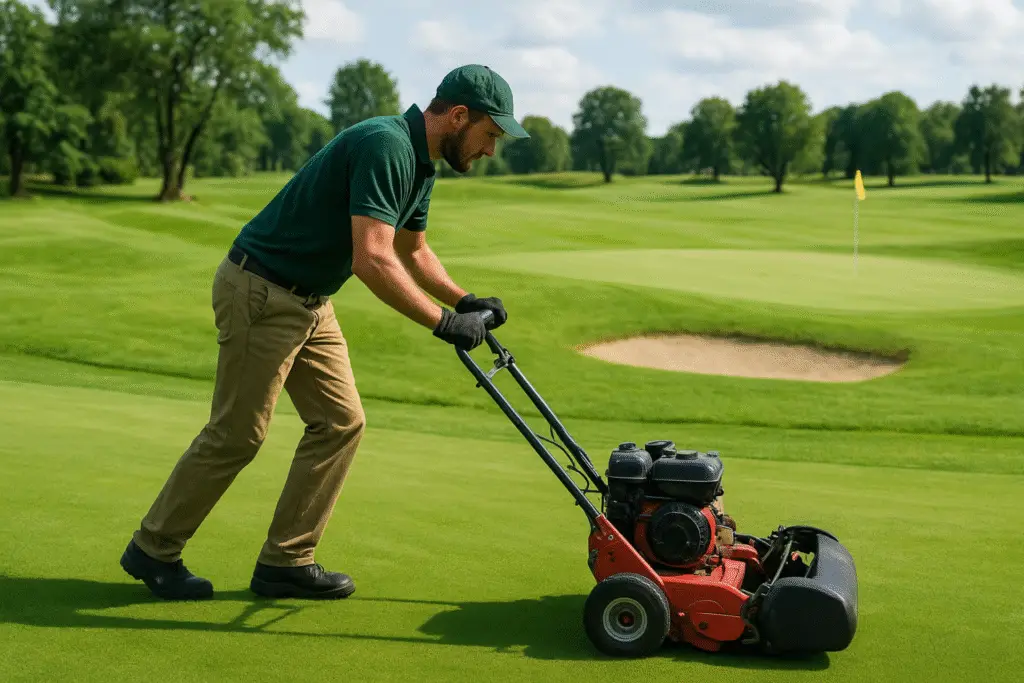
Let’s say you notice a mower going too close to the edge of the green. You stop and say politely:
“You have to be a bit more focused when you mow greens, especially on the final lap. You’re drifting into the rough, and it doesn’t look good. The grass needs time to recover. You’ve done this before, so next time slow down, stay focused, and don’t drive so close to the edge.”
From your point of view, it’s a calm, professional conversation — just part of maintaining standards. But for some people, that’s enough to turn you from friend to enemy. Suddenly, you’re “the boss showing power.” They start talking behind your back, exaggerating the story — “He shouted at me! He threatened me!”
Why does this happen? Because supervision touches ego, and not everyone handles feedback well. When pride steps in, reason steps out.
But that doesn’t mean you did wrong. One of a head greenkeeper’s duties is to supervise. Giving feedback doesn’t mean you dislike someone — it means you care enough to keep standards high, protect the course, and help the team grow.
Sometimes leadership means accepting that doing the right thing won’t make everyone happy. You can’t always be the friend — but you can always be fair, respectful, and consistent. Over time, that earns more respect than false friendliness ever could.
Building Relationships and the Right Team

It’s always worth getting to know your team — their interests, their background, how long they’ve been working. Genuine interest builds connection and trust.
The worst thing you can do is yell or lead through fear. Panic and intimidation only cause more mistakes.
There’s no perfect recipe for success, but a good head greenkeeper also acts like a scout, always looking for the right people. Not everyone will fit instantly, but everyone deserves a chance. Not everyone needs to be passionate — that doesn’t mean they’re bad at their job.
With time, trust, and patience, you can build your dream team.
Conclusion: lead fairly, supervise consistently
Being a head greenkeeper means walking a fine line — inspiring and guiding, motivating and correcting, leading and supervising. It’s not about being perfect in both roles; it’s about knowing when each one is needed.
If you lead with fairness, communicate with respect, and never forget the human side of greenkeeping, you won’t just maintain a great golf course — you’ll build a great team.

Head greenkeeper in Gothenburg, Sweden, working in the turf industry since 2018. Passionate about sustainable maintenance and new technologies, he focuses on innovative ways to improve turf quality while reducing environmental impact.
You may also like

The founder of this independent platform, created to connect turf professionals and enthusiasts, share knowledge, and highlight the evolving role of greenkeepers worldwide.
When not on the course, he enjoys exploring golf destinations, writing about turf management, and engaging with the international greenkeeping community. A big fan of Swedish football — especially the Allsvenskan — and an enthusiastic Football Manager player. Beyond turf and football, a happy father and husband.


Pingback: 9 Facts about sugars in turfgrass. Practical greenkeeping