
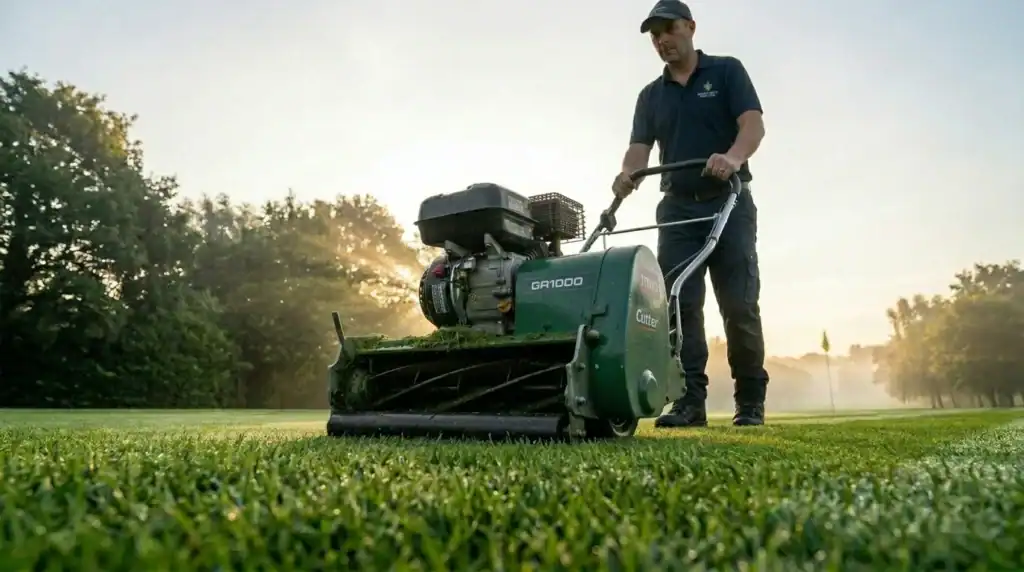

When golfers step onto a pristine, dew-kissed course at 7:00 AM, they rarely think about the hours of labor that made that perfect drive possible. They see the emerald stripes on the fairway and the glass-like surface of the putting green, but they don’t see the “ghosts” who were there three hours earlier. This is the world of the greenkeeper job—a profession that blends high-level science, heavy machinery, and an artistic touch to create the world’s most beautiful playing surfaces.
A greenkeeper is far more than a gardener with a bigger lawn. They are stewards of the environment and curators of a sport’s integrity. Without a skilled greenkeeping team, a golf course would revert to wild pasture within weeks. The role matters because golf is the only sport where the “pitch” is a living, breathing organism. In football or tennis, the surface is often a static stage; in golf, the turf is an active participant in the game. The speed of a green, the thickness of the rough, and the firmness of the bunkers are all variables controlled by the greenkeeper, directly influencing how the game is played and enjoyed.
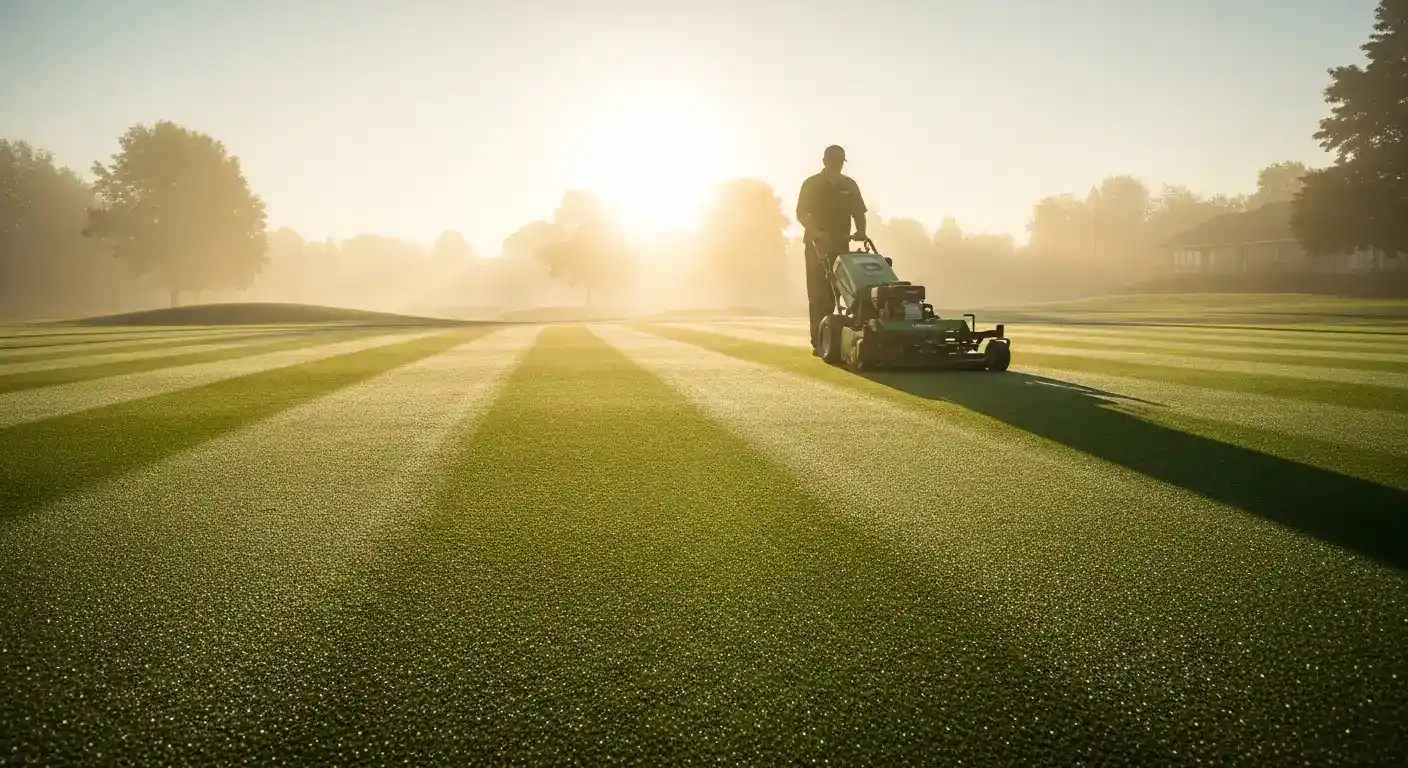
In this article, we will explore every facet of this career. Whether you are looking to start a greenkeeper job or you are a club member curious about the science behind your Sunday round, this guide covers the technical skills, the daily grind, and the future of turf management. We’ll dive into why this role is increasingly becoming a high-tech discipline involving AI and robotics, while still requiring the physical grit that has defined the trade for centuries.
What Is a Greenkeeper? (Definition & Distinctions)
To understand what a greenkeeper job entails, we must first define the scope of the role. At its core, a greenkeeper is a professional responsible for the care, management, and maintenance of a golf course. However, this definition is often confused with that of a “groundskeeper.” While the two share similarities, the distinction is vital for anyone looking to enter the industry.
A groundskeeper is a generalist. You’ll find groundskeepers maintaining parks, school fields, or multi-sport complexes. Their work is varied but often less specialized in terms of “turf performance.” A greenkeeper, conversely, is a specialist in fine turf. The requirements for a golf green are significantly more demanding than those for a local park. A greenkeeper must manage grass that is cut to heights as low as 2.5mm—a height that puts the plant under extreme biological stress.
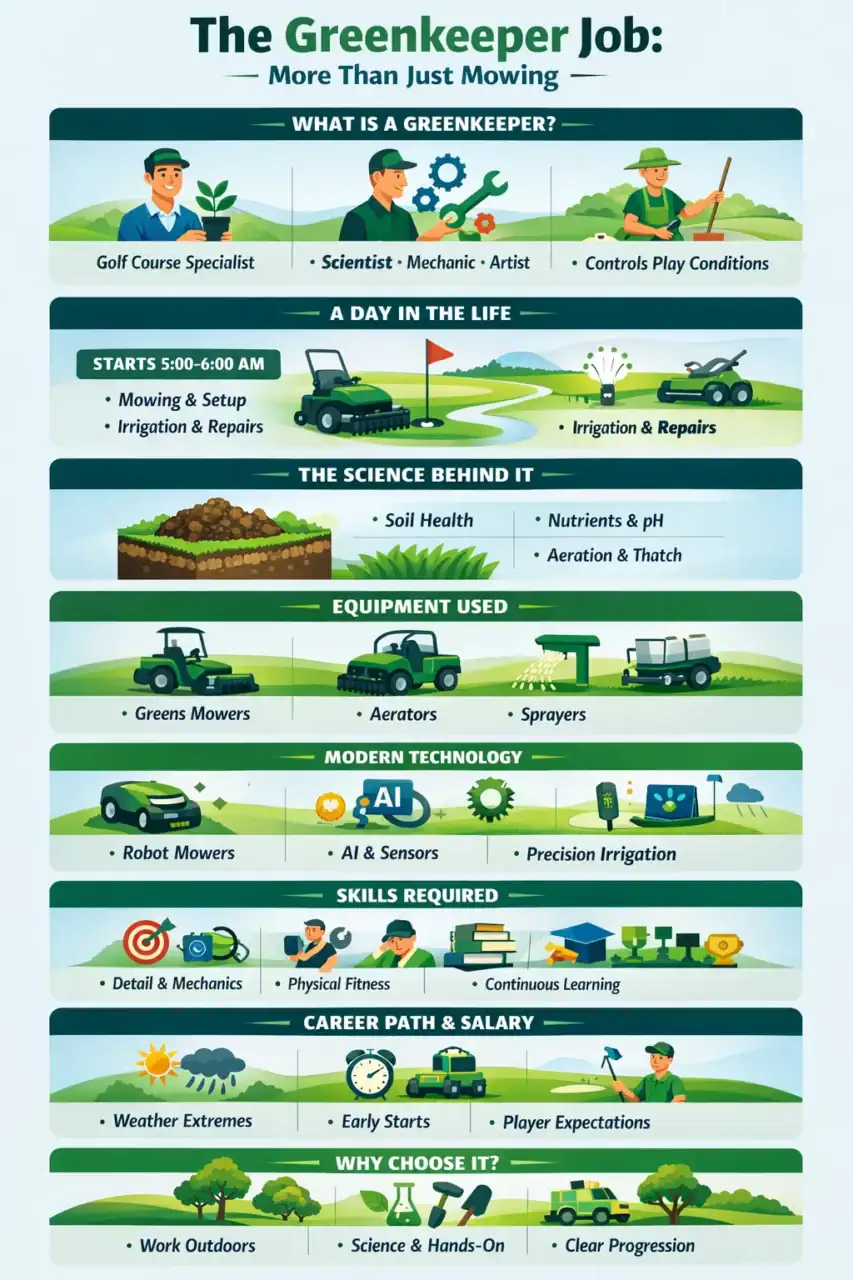
The greenkeeper job is essentially a mix of three roles: a scientist (agronomist), a mechanic, and a landscape artist. You are responsible for the health of the soil (the “engine room” of the course), the drainage systems that prevent flooding, and the aesthetic presentation that gives a club its prestige. Unlike general landscaping, greenkeeping requires an intimate understanding of “playability.” This means knowing how a certain species of grass will affect the roll of a ball or how the moisture content in a bunker changes the difficulty of a sand save. It is a highly specialized niche within the horticulture world, requiring a unique set of certifications and a deep passion for the outdoors.
You may also like

Daily Tasks: A Day in the Life on the Course
The “9-to-5” does not exist in a greenkeeper job. Most days begin before sunrise, often around 5:00 or 6:00 AM, to ensure that the primary maintenance is completed before the first “tee time.” The morning starts with a briefing from the Head Greenkeeper, followed by a flurry of activity.
- Mowing and Striping: This is the most visible task. Greenkeepers use specialized cylinder mowers to cut greens, tees, fairways, and roughs. Each area requires a different height of cut and a specific pattern to ensure the grass grows healthily and looks visually stunning.
- Course Setup: This is where the strategy of golf is managed. A greenkeeper will “change the holes”—moving the cup to a new position to prevent wear and tear around the old hole and to change the difficulty of the course. They also move tee markers and rake bunkers to ensure every player has a consistent surface.
- Irrigation and Moisture Control: Especially in summer, managing water is a critical task. Modern greenkeepers don’t just “water the grass”; they use hand-held moisture meters to check the “Volumetric Water Content” (VWC) of the soil. If a green is too dry, it dies; if it’s too wet, it becomes soft and slow.
- Maintenance and Repair: Between the major tasks, the team performs “divotting” (replacing chunks of grass taken out by clubs) and repairing pitch marks.
By midday, the heavy work is often done to stay out of the way of golfers, but the afternoon is reserved for equipment maintenance, project work like drainage installation, or woodland management. It is a physically demanding cycle that requires constant attention to detail.
Turf Management & Agronomy: The Science of the Blade
If you think a greenkeeper job is just about “cutting grass,” the agronomy side of the role will change your mind. High-end greenkeeping is applied biology and chemistry. To keep grass alive while thousands of people walk on it and machines roll over it, you have to manage the environment beneath the surface.
Soil health is the foundation. Greenkeepers must regularly test the pH levels of the soil to ensure nutrients are available to the plant. They manage the “NPK” ratio—Nitrogen, Phosphorus, and Potassium—applying fertilizers in precise amounts to encourage growth without causing “flush” (excessive growth that makes the greens slow).
Furthermore, a huge part of the greenkeeper job involves managing “thatch.” Thatch is a layer of organic matter (dead grass and roots) that builds up between the green surface and the soil. Too much thatch acts like a sponge, holding water and making the greens “puffy.” To combat this, greenkeepers perform “aeration” (punching holes in the turf) and “top-dressing” (spreading sand over the greens). These processes can be unpopular with golfers because they temporarily disrupt the surface, but they are essential for long-term turf health. A greenkeeper must be able to explain this science to the club members, justifying why “messing up the greens” today is the only way to have perfect greens tomorrow.
You may also like


Equipment Used by Greenkeepers: The Heavy Metal
You cannot perform a greenkeeper job with a standard hardware-store lawnmower. The equipment used on a modern golf course is a suite of highly engineered, expensive machinery.
- Greens Mowers: These are the Ferraris of the turf world. They use cylinder blades (like scissors) rather than rotary blades (like a fan) to provide a clean, surgical cut that doesn’t bruise the grass plant.
- Aerators and Verti-drains: These machines use hydraulic pressure to drive metal tines into the ground, relieving soil compaction and allowing the “soil to breathe.”
- Utility Vehicles: Often called “Turf Trucks,” these are used to haul sand, tools, and debris across the hundreds of acres that make up a course.
- Sprayers: Used for applying liquid fertilizers or fungicides, these require the greenkeeper to hold specific licenses (like PA1 and PA6 in the UK) to ensure chemicals are handled safely and environmentally.
Understanding how to operate, calibrate, and maintain these machines is a core part of the greenkeeper job. A poorly calibrated mower can “scalp” a green, causing thousands of dollars in damage in seconds. Therefore, mechanical aptitude is just as important as a green thumb in this profession.
Modern Technology in Greenkeeping: The High-Tech Fairway
The image of a greenkeeper job as purely manual labor is rapidly becoming a thing of the past. Today’s golf courses are living laboratories where cutting-edge technology meets environmental stewardship. As the industry evolves, the role of a greenkeeper has expanded to include data analyst and robotics technician. The shift toward precision turf management is driven by the need for efficiency, sustainability, and the relentless pursuit of “perfect” playing conditions.
Perhaps the most significant shift is the rise of autonomous mowers. These robotic units, guided by high-precision GPS (RTK), can maintain fairways and roughs with millimeter accuracy. This doesn’t replace the greenkeeper; instead, it allows the team to focus on high-skill tasks like hand-mowing greens or intricate bunker work while the “robots” handle the bulk acreage. Furthermore, AI-driven software now helps course managers predict disease outbreaks before they are visible to the naked eye. By analyzing weather patterns and historical data, these systems suggest the exact moment to apply treatments, significantly reducing the use of chemicals and fertilizers.
Soil sensors have also revolutionized moisture management. Instead of relying on a “gut feeling,” greenkeepers now use wireless sensors buried in the greens to monitor volumetric water content, salt levels, and soil temperature in real-time. This data is beamed directly to a smartphone, allowing for “precision irrigation”—watering only the specific square meters that need it. For anyone entering a greenkeeper job today, a willingness to embrace these digital tools is just as important as knowing how to handle a shovel. The future of the profession lies in the ability to interpret data to create a more resilient and sustainable landscape.
Skills Required: Technical Mastery and the “Smart” Approach
To succeed in a greenkeeper job, you need a unique blend of physical stamina and intellectual curiosity. On the technical side, you must develop a deep understanding of plant physiology—knowing how different grass species react to shade, foot traffic, and nutrient levels. Physical work is a given; you will be outdoors in all weathers, often walking 10 to 15 miles a day. However, as the industry becomes more professionalized, “soft skills” and strategic thinking are becoming the true differentiators.
You may also like

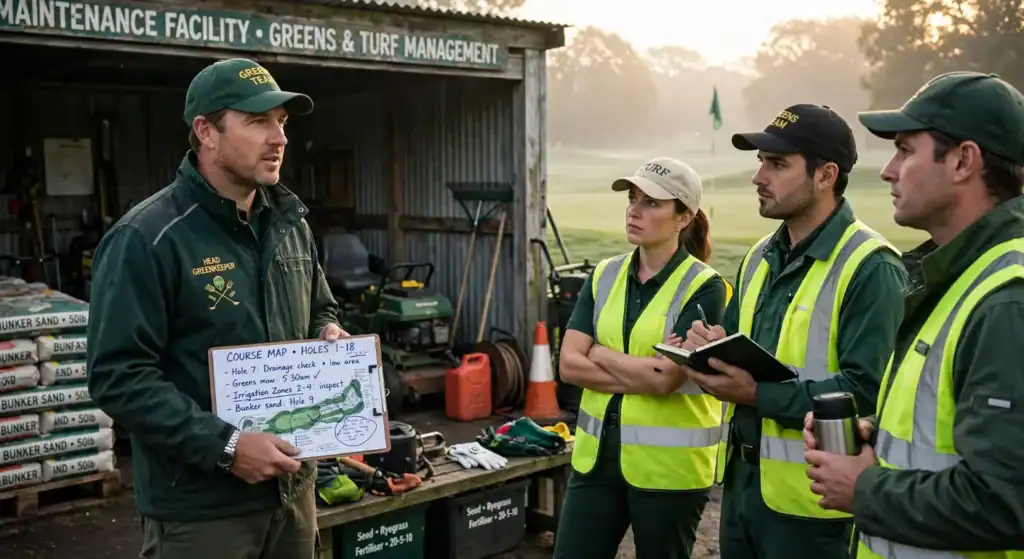
According to industry expert Frank Newberry, standing out in this field requires more than just a list of certifications. In his guide on customised CVs and smart interviews, Newberry emphasizes that candidates must demonstrate how they add value to a specific club. Modern greenkeepers need:
- Attention to Detail: Noticing a slight discoloration in a green before it becomes a dead patch.
- Communication Skills: Explaining complex maintenance schedules to club members and committees.
- Mechanical Aptitude: The ability to troubleshoot complex machinery on the fly.
- Smart Recruitment Strategy: Tailoring your experience to show you understand the unique challenges of the course you are applying to.
The most successful professionals are those who commit to “Continuous Professional Development” (CPD). Whether it’s obtaining pesticide application licenses (PA1, PA2, PA6) or learning about sustainable water management, the learning never stops. Being a “smart” greenkeeper means being proactive—using your technical knowledge to save the club money and improve the environment simultaneously.
Career Path & Salary: Investing in Your Future
The greenkeeper job offers a clear and rewarding career ladder, ranging from apprentice roles to the prestigious position of Course Manager. For many, the journey begins with an apprenticeship or a Level 2 qualification in Sports Turf Management. As you gain experience and earn further certifications (such as a Foundation Degree or BSc in Turfgrass Science), you can progress to Senior Greenkeeper, Deputy Head Greenkeeper, and finally, Head Greenkeeper or Course Manager.
When it comes to compensation, understanding the market is essential. The Greenkeeper Salary Guide highlights that pay scales are influenced by several factors, including the club’s location, its overall budget, and your specific qualifications. For instance:
- Entry-Level/Apprentices: Start with a base that reflects their training status but often see rapid increases as they gain their “tickets” (licenses).
- Assistant Greenkeepers: According to recent recommendations from the Committee for Golf Club Salaries (CGCS), there has been a significant push for salary increases—recently as high as 9% for assistants—to keep the industry competitive.
- Head Greenkeepers/Course Managers: Salaries for top-tier roles can be substantial, especially at high-budget facilities in regions like London and the South East (Region A), where cost-of-living adjustments are standard.
Beyond the basic salary, many clubs offer benefits like pension schemes, health insurance, and professional membership fees (e.g., BIGGA). The key to maximizing your earning potential in a greenkeeper job is to remain “CPD active.” Clubs are willing to pay a premium for professionals who can manage multi-million-pound assets using modern, sustainable techniques.
Assistant vs. Head Greenkeeper: Comparison Table
| Feature | Assistant Greenkeeper | Head Greenkeeper / Course Manager |
| Primary Focus | Execution of daily maintenance tasks and course presentation. | Strategic planning, agronomy oversight, and team leadership. |
| Daily Tasks | Mowing, bunker raking, hole changing, and irrigation monitoring. | Budgeting, staff scheduling, chemical planning, and committee meetings. |
| Management Level | Entry to Mid-level; reports to Head or Deputy Head. | Senior/Executive level; reports to Club Manager or Committee. |
| Qualifications | NVQ Level 2 (Sports Turf), PA1, PA2, & PA6 spraying licenses. | NVQ Level 3 or 4, often a Degree in Turfgrass Science, and CMS. |
| Decision-Making | Micro-decisions (e.g., precise cut lines or identifying turf stress). | Macro-decisions (e.g., multi-year renovation plans or budget allocation). |
| Machinery Usage | High; operates mowers, aerators, and utility vehicles daily. | Low/Strategic; focuses on fleet procurement and maintenance oversight. |
| Typical Salary (UK) | £24,000 – £34,000 (Varies by region and “tickets” held). | £40,000 – £65,000+ (Depends on club tier and facility size). |
| Career Stage | Skill acquisition and professional foundation building. | Peak professional responsibility and industry leadership. |
Factors That Define Your Earning Potential and Growth
While the table provides a baseline for a greenkeeper job, several variables can significantly accelerate your progression and increase your take-home pay. Understanding these “hidden” factors is key to navigating the industry successfully.
You may also like


- The Power of Specialist “Tickets”: As noted in the Greenkeeper Salary Guide, an Assistant Greenkeeper’s value isn’t just tied to years of service, but to their technical licenses. Holding PA1, PA2, and PA6 spraying certificates or specialized irrigation technician qualifications can often command a salary premium of £2,000–£4,000 above the standard base rate.
- Regional Economic Variations: Location is one of the biggest drivers of salary. Clubs in “Region A” (Greater London and the South East) typically offer higher packages to account for the increased cost of living. When applying for a greenkeeper job, always cross-reference the offer against the latest Committee for Golf Club Salaries (CGCS) regional recommendations to ensure you are being paid fairly for your area.
- Bridging the “Management Gap”: Moving from an Assistant role to a Head Greenkeeper position requires a shift in mindset. It is no longer just about the quality of the turf, but about your ability to manage people and budgets. Following Frank Newberry’s advice on recruitment, candidates who can demonstrate “soft skills”—such as presenting a renovation plan to a committee or managing a team of five—are the ones who secure the high-paying Course Manager roles.
- The Impact of Club Tiers: The budget of the facility plays a role. A “Championship” or “Private Members” club often has a higher payroll budget than a municipal or proprietary course. However, smaller courses often offer faster “hands-on” experience across all aspects of the job, which can be a better long-term investment for your CV.
Challenges of the Job: Weathering the Storm
While the idea of working on a beautiful golf course sounds idyllic, the greenkeeper job comes with a unique set of challenges that require mental and physical resilience. The most obvious “adversary” is the weather. Greenkeepers are at the mercy of the elements; a sudden heatwave can threaten the survival of the greens, while a week of torrential rain can lead to compaction and drainage crises. This often means working long, unsociable hours during peak seasons to ensure the course remains playable and safe.
Another significant challenge is the “Weight of Expectation.” Golfers today see pristine courses on television and expect their local club to look identical, often ignoring the massive difference in budgets and staffing levels. Managing these expectations requires a thick skin and excellent communication skills. You must be able to explain why certain “disruptive” tasks—like hollow coring or top-dressing—are necessary for the long-term health of the turf, even if they frustrate players in the short term.
Finally, there is the physical toll. The early starts (often before 5:00 AM) and the repetitive nature of tasks like hand-mowing can be grueling. However, for those who truly love the outdoors and take pride in “sculpting” the land, these challenges are outweighed by the satisfaction of seeing a finished product that is both a scientific achievement and a work of art.
Greenkeeper Job – FAQ
What qualifications do I need for a greenkeeper job?
While you can enter the profession as a trainee or apprentice, most established roles require a Level 2 Certificate in Golf Greenkeeping or an equivalent NVQ. As you progress, higher-level qualifications such as a Level 3 Diploma or a degree in Turfgrass Science become essential for management roles. Additionally, “tickets” for pesticide application (PA1, PA2, and PA6) are highly valued by employers.


How much can I expect to earn?
Salary varies significantly based on your location and the “tier” of the golf club. According to the Greenkeeper Salary Guide, an assistant greenkeeper’s pay is influenced by regional cost-of-living adjustments, with the highest rates typically found in London and the South East. Following recent CGCS recommendations, many clubs are implementing roughly 9% increases to remain competitive in the current labor market.
Is greenkeeping a stressful profession?
The stress in a greenkeeper job is often “seasonal.” During tournament prep or extreme weather events, the pressure to maintain perfect surfaces can be high. However, many professionals find the “outdoor office” and the quiet early mornings to be a significant boost to their mental well-being, provided they have a supportive team.
Can I travel with this career?
Absolutely. Greenkeeping is a global language. Skilled turf managers are in high demand across Europe, the US, and the Middle East. A solid foundation in a Europe or US-based greenkeeper job is often a “passport” to working at world-class resorts internationally.
How to Get a Greenkeeper Job (Step-by-Step Guide)
If you’ve decided that the combination of science, machinery, and nature is right for you, here is how you turn that interest into a career.
If you’ve decided that the combination of science, machinery, and nature is right for you, here is how you turn that interest into a career.
Step 1: Gain Foundational Knowledge
Start by understanding the basics of botany and soil science. You don’t need a PhD on day one, but knowing the difference between various grass species and soil types will give you a head start during interviews.
Step 2: Secure an Apprenticeship or Trainee Role
According to recruitment expert Frank Newberry, the biggest mistake candidates make is sending a generic CV. To stand out:
Customize Your CV: Highlight specific machines you’ve operated or projects you’ve assisted with (like bunker drainage or irrigation repair).
Identify Your Value: During the interview, don’t just say you can mow grass; explain how your attention to detail reduces the need for expensive chemical treatments.
Ask Smart Questions: Show interest in the club’s long-term sustainability goals or their investment in new technology like robotics.
Step 4: Pursue Specialist Certifications
Once you are on a course, ask your Head Greenkeeper about funding for your “tickets.” Being able to legally apply fertilizers and pesticides makes you an indispensable member of the crew.
Master Modern Networking and Job Hunting
The final step in securing a greenkeeper job is to become visible to the right people. While traditional applications are necessary, the turf management community is tight-knit, and many roles are filled through networking before they are ever formally advertised. To give yourself a modern edge, leverage specialized platforms that directly connect talent with opportunity.
Here is how you can jumpstart your visibility and access the latest industry knowledge:
Find Specialized Vacancies: Generic job boards are rarely effective for this industry. Instead, visit the dedicated Greenkeeping Insight Job Vacancies section. We curate the freshest job listings across all levels—from trainee to course manager—to ensure you only see relevant opportunities. Check this page daily, as new listings appear fast.
Join the WhatsApp Community: Traditional forums are slow. For real-time networking, knowledge sharing, and peer support, join the official Greenkeeping Insight WhatsApp Community. This is the best place to:
Network in Real-Time: Connect with experienced greenkeepers who share tips on everything from drainage solutions to machinery calibration.
Share Knowledge: Ask questions and get instant feedback from peers who may have faced the same challenges on their own courses.
Hear About Job Openings First: Community members often share “heads-up” information about vacancies at their clubs before they are officially listed, giving you an invaluable advantage in the greenkeeper job market.
By integrating these specialized digital tools into your strategy, you aren’t just applying for a greenkeeper job; you are positioning yourself as a plugged-in, proactive professional. This “smart” approach to your career is exactly what leading Head Greenkeepers and Course Managers are looking for.


Conclusion: Why Choose a Greenkeeper Job?
In summary, a greenkeeper job is a career for those who refuse to be tethered to a desk. It is a profession that rewards those who are willing to get their hands dirty while keeping their minds sharp. From the early morning silence of the first tee to the complex data analysis of soil health, it is a role that offers unparalleled variety and the chance to work in some of the most beautiful environments on earth.
As we have explored, the modern greenkeeper is a high-tech environmental steward. By leveraging new technologies, staying updated on salary trends, and following the recruitment advice of experts like Frank Newberry, you can build a stable, lucrative, and deeply fulfilling career in the turf industry.
Ready to take the next step in your turf management career? Whether you’re just starting out or looking to move into a management role, the resources at Greenkeeping Insight are here to help you grow. Explore our latest job listings and technical guides to stay ahead of the curve in this ever-evolving industry.

Head greenkeeper in Gothenburg, Sweden, working in the turf industry since 2018. Passionate about sustainable maintenance and new technologies, he focuses on innovative ways to improve turf quality while reducing environmental impact.
The founder of this independent platform, created to connect turf professionals and enthusiasts, share knowledge, and highlight the evolving role of greenkeepers worldwide.
When not on the course, he enjoys exploring golf destinations, writing about turf management, and engaging with the international greenkeeping community. A big fan of Swedish football — especially the Allsvenskan — and an enthusiastic Football Manager player. Beyond turf and football, a happy father and husband.


Pingback: Customised CV and Interviews- Greenkeepink Job 2026
Pingback: Greenkeeper Salary 2026 Revealed: How Much Do They Earn?